How the Series Became a Love Letter to Gen X, Xennials, and Millennials

By now, most viewers have seen the Stranger Things (ST) series finale, so there shouldn’t be any spoilers. Instead of doing another hot take on the last season and ending of the series, I’d like to tap into that great ocean of nostalgia that ST represents for Gen X, Xennials, and older Millennials.
Before I started season 5, like everyone, I rewatched seasons 1-4 so that I could remember the major plot points, characters, and to tap back into this nostalgic feeling that this era represents for me as a Xennial (born between 1977 and 1983).
The show takes place between 1983 and 1989. For many of us who grew up or were exposed to the music and other popular culture during that time, the show represents some of our fondest memories from our childhoods. Sure, there were some really scary real-world things going on around the world. ST did a strong job of weaving those realities into the storylines, such as America’s ongoing Cold War tensions (the Russians are coming!) or the “Satanic Panic.”
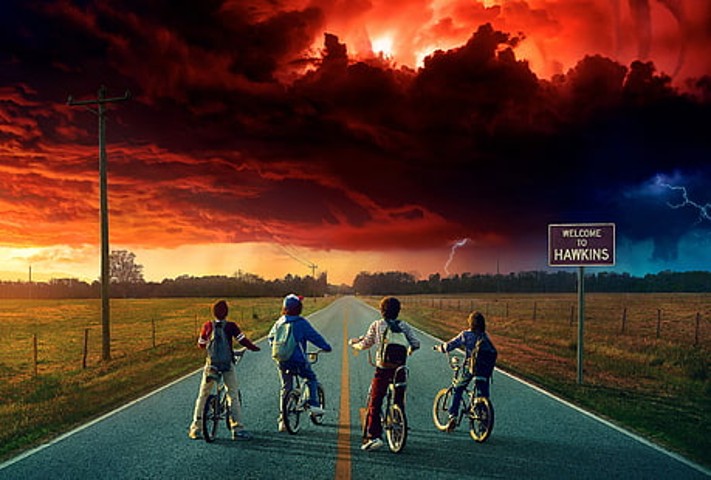
Now, I wasn’t old enough to remember being terribly concerned about those things, but I did see the movies and films during that era that reflected the paranoia embedded in the American psyche. But I digress, there were so many other things in the show that sent those of us from those three aforementioned generations swooning, like the sense of adventure, the era of analog technology, video and board games, synth music, banana seat bicycles, and the latchkey kid era (Will was all of us at that age in the 1980s).
I distinctly remember sitting in front of the fan in the window on hot summer days listening to Michael Jackson, Madonna, Prince, Whitney Houston, Cyndi Lauper, and a whole host of other artists who transcended race or national borders to reach the hearts of fans around the world. It felt like a magical time, before cell phones, when we played outside until dark, ate cereal for breakfast, and watched cartoons and Kung Fu movies on Saturday mornings… together. Now, everyone has their own screen for entertainment. Back then, we had to share one television.
The Duffer Brothers not only tapped into the nostalgia of those generations, but they introduced the 80s era to two whole new generations that learned what it was like to live during those times of old tech, including landline telephones, video arcades, and hair-sprayed styles. Most importantly, I believe the younger generations resonated most with the underpinning theme of friendship. ST reached global audiences from multiple generations, which is difficult to do, but I believe this happened for the aforementioned reasons.
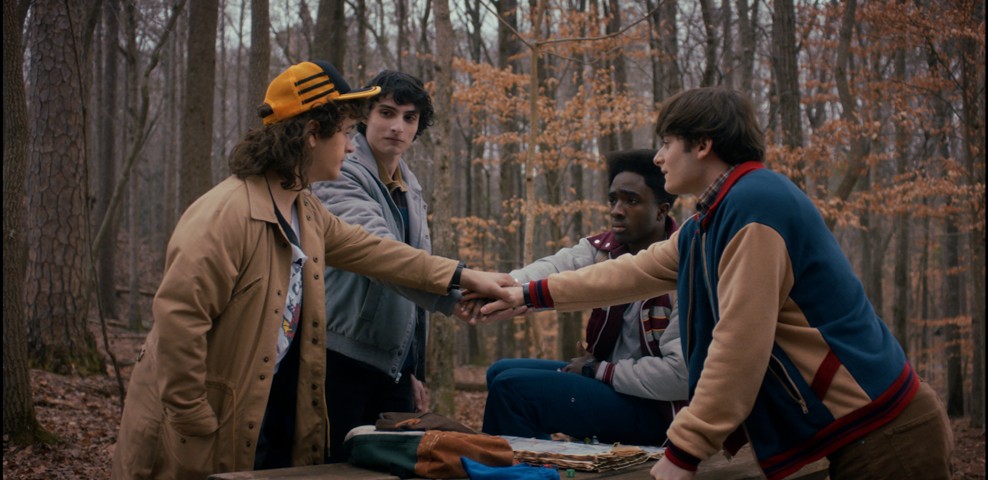
Despite how you feel about the ending, the Duffer Brothers wrote this love letter to all of us and reminded the fans that friendship can and should be unbreakable, and that “friends never lie.” Now more than ever, we all could use that message, especially as the world has been so chaotic: old friends (countries) are now enemies, or indifferent to the suffering of others. While this isn’t new, it does give the younger generations a bleak view of our future. I hope that this show made folks believe in magic again and the value of true friendship, but if the global popularity of the show is any evidence, I think the Duffers nailed it.
Netflix will drop a behind-the-scenes documentary of the show, called, One Last Adventure: The Making of Stranger Things 5, on Monday, January 12, 2026, at 12am PT/3am ET.
Check out a previous article I wrote about film and TV reboots to follow the nostalgia breadcrumbs.
Posted on January 11th in honor of our girl Eleven.

 Gina N. Anderson