TL;DR: Entertainment Industry Mergers Strike Again

If you’ve been following the drama between Netflix and Paramount and their proposals to merge with Warner Bros. Discovery (WBD), you know that Paramount won after 10 bids. Paramount’s final offer swayed the WBD Board, and they determined it to be the “superior proposal.” Netflix quickly walked away from the deal. 

If you’ve gotten whiplash trying to keep up with the ping pong match between Netflix and Paramount, you’re not alone. 

Here’s the timeline:

  • Dec. 2025: Netflix reached an agreement with Warner Bros. Discovery for $82.7B
  • Also in December, Paramount mounted a hostile counteroffer/takeover valued at over $110B.
  • Dec. 2025 – Feb. 2026: the two companies battled it out over the nuts and bolts of which deal is more attractive to the WBD Board. The most important sticking point for the industry is Netflix’s reluctance to confirm whether it will keep up with WBD’s theatrical release schedule for windows of up to 45 days.  
  • Late Feb. 2026: Paramount makes its final offer of $110B, and Netflix is given the option to match or exceed the offer in four days. Netflix promptly declined.
  • In that very short period of time, Netflix co-CEO Ted Sarandos testified on the Hill in front of Congress, which has antitrust concerns. While in Washington, Sarandos was scheduled to meet with President Trump, but before that could happen, the WBD Board pulled the rug from under him and declared Paramount’s offer the “superior proposal.”
  • Paramount agreed to pay Netflix a $2.8B termination fee, which the streamer happily received and issued a statement to explain why they walked away. The short answer is that increasing their offer was turning out not to be a sound deal for their bottom line. WBD carries significant debt that Netflix was unwilling to assume. 

Since the end of the high-stakes acquisition of WBD, Paramount has gradually revealed its vision for the merger, which includes at least 30 film theatrical releases each year. 

Paramount’s victory over Netflix is complete, but it will be short-lived. The studio still has to navigate regulatory hurdles, but with the cozy relationship between CEO David Ellison’s father and President Trump, the deal is unlikely to face much scrutiny from the Federal government agencies responsible for approving these deals. 

As of this writing, Congressional antitrust hearings on the merger have not been set, but the Department of Justice is reviewing the deal. A WBD shareholder vote is scheduled for March 20, 2026. However, WBD’s CEO, David Zaslav, said the merger could take from six months to 18 months to clear.

Besides the prestigious and financially successful WBD films, Paramount could reap the harvest of WBD’s success as long as it doesn’t shake up the creative and executive teams responsible for all of the hits the studio has continued making. 

WBD has dozens of commercially and critically acclaimed films under its belt. A few of the films in the 2026 Oscar race right now include Paul Thomas Anderson’s original One Battle After Another and Ryan Coogler’s Sinners. Soon, Marty Supreme, an A24 film, will be streaming on WBD’s HBO Max platform as per the usual arrangement between the two companies. 

Why Are People So Concerned About This Merger?
  • Warner Bros. Discovery’s assets include some of the biggest media brands and Intellectual Property (IP) in the world: CNN, HBO, and HBO Max streaming service, TNT Sports International, Cartoon Network, Fandango, Comedy Central, and IP such as Harry Potter, Game of Thrones, and the DC Comics Universe (Superman, Wonder Woman, Batman, etc.). That’s a massive amount of media control of TV, films, and news. 
  • Political influence: Americans have had a preview of what a legacy media outlet’s news judgment would look like following the controversial appointment of Bari Weiss to CBS, who has been accused of censoring stories that are critical of the Trump Administration. 
  • Massive industry job losses: Hollywood has already gone through thousands of job losses due to the mergers of the past and even as recently as Paramount’s acquisition of Skydance in 2025. It’s expected that Paramount will do the same when it fully merges with WBD over the next year. 
  • Price increases for consumers. 
  • Finally, WBD’s CEO, David Zaslav, oversaw the studio for the last four years, presumably racking up the debt, yet he and his executive team are set to walk away with hundreds of millions of dollars in golden parachutes after the deal is done, while his workforce is almost guaranteed to see job losses.

The entertainment industry, regulators, Congress, and state Attorneys General (AG) are expected to scrutinize or halt the merger, with California’s AG Rob Bonta and Senator Elizabeth Warren leading the charge. Although, to be fair, the scrutiny would’ve come whether it was Netflix or Paramount. 

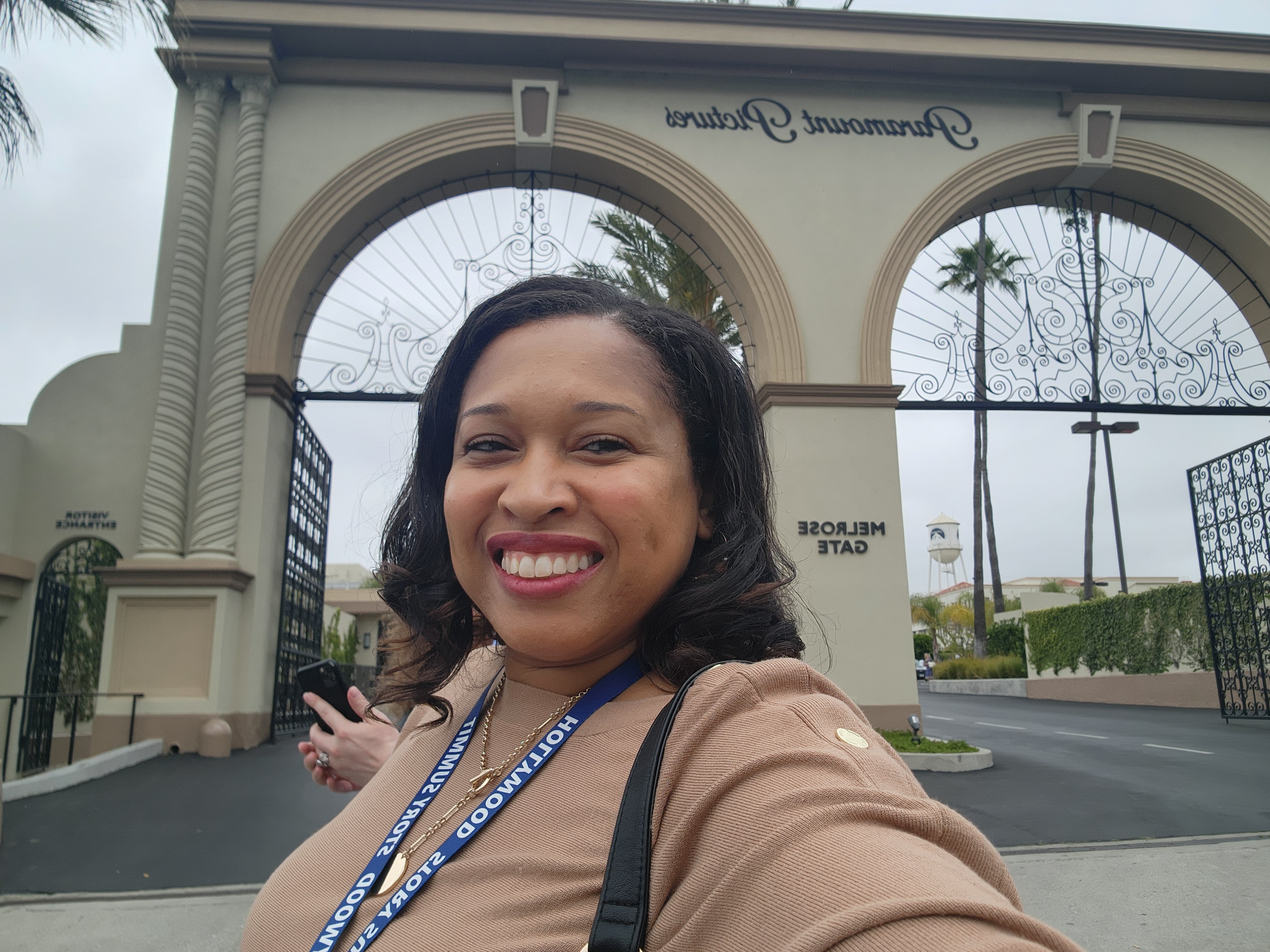
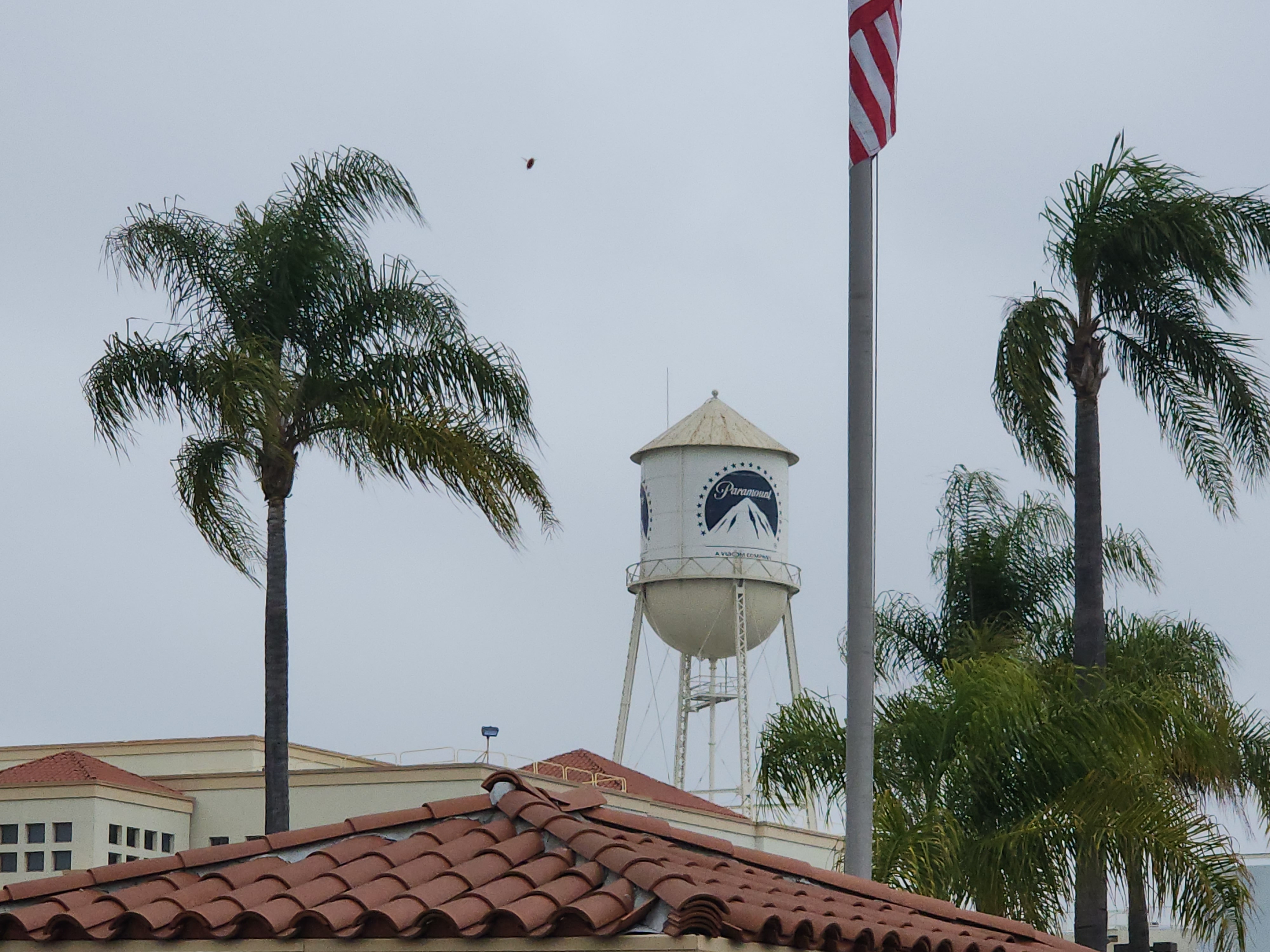
On a personal note, I took a tour of the historic Paramount Studios Lot last Spring, and it was exciting to see so many productions on-site (Paradise and Matlock, to name a few) while on a Hollywood Field Trip

That was less than a year ago, and look at how much has changed in the industry. I, like many creators, have been concerned that more mergers mean fewer opportunities and less financing for developing original TV and film projects. The few opportunities that may come about would likely go to A-List/celebrity-backed projects. 

I know this post feels like all doom and gloom, but the upside is that the indie film market will likely see an uptick in small-to-medium projects hitting the film festival and distributor markets. I’ll continue to document my journey in the industry here, so stay tuned, subscribe to my blog, and follow me on any of my socials on the Find Me @ tab. 
Why Are So Many Films Being Rebooted?

Ahh, nostalgia. In Japanese, the word is “natsukashii” – a bittersweet longing for something familiar. The feeling of well-worn boots signaling autumn or rewatching your favorite 80s action flick. These feelings, now more than ever, have inspired a wave of TV and film remakes from the 80s, 90s, and early 2000s set to hit screens over the next year. 

The Nostalgia Factor

My guess? People are longing for the days when politics weren’t so front and center, diving deeper into their pathos of distraction and farther away from reality that seems increasingly overwhelming. The target audience seems to be Gen X, Xennials, and Millennials because those are the shows and films being greenlit today.

But these aren’t just remakes, they’re remakes of the remakes or reimaginings of familiar material. Many are even based on classic novels or earlier TV shows, doubling down on the built-in audiences that come with beloved characters.

Maybe this is part of a collective desire to return to a time when technology was exciting but not all-consuming. When we still had one foot in the analog world that felt simpler. When kids played safely outside, read comic books, and played board games instead of being glued to video games and social media.

What’s Being Remade

But I digress. Here’s a list of TV and film remakes, long-awaited sequels, and reimaginings making a comeback:

  • Tron (1982, 2010, and now 2025)
  • Gremlins 3 (sequel to the beloved ‘80/’90s franchise)
  • Freakier Friday (sequel to the 2003 film)
  • I Know What You Did Last Summer (a sequel to the 1997 original based on a book; the franchise also spawned a 2020s TV series)
  • War of the Worlds (1953, 2005 and 2025, just to name a few)
  • Blade (a reboot of the Wesley Snipes-led vampire hunter films. I’m not mad at this one at all.)
  • Fantastic Four (2005, 2015 and now 2025)
  • IT (the Stephen King horror classic has already been rebooted, but a new TV series is on the way)

Why Now?

So what’s driving this flood of reboots and remakes? What does it say about the TV and film industry as a whole? 

According to a 2024 Nielsen report, 62% of streaming viewers rewatch older content at least monthly. In 2022, over 50% of major studio releases were sequels, reboots, or part of an existing franchise.

As household budgets tighten, it might feel safer to produce films with built-in audiences to help ensure people return to the theaters. Maybe these generations crave the comfort of films they already know.

I don’t have the answers, but I wonder: Has anyone in the industry admitted to using this strategy? 

If it is indeed intentional, then the jury is still out on whether it’s going to be a winning strategy. We’ve seen some remakes flop, while others succeed.

Drop your thoughts in the comments.

Hollywood Field Trip, May 2025

This May, I participated in Story Summit’s Hollywood Field Trip in Los Angeles—a thoughtfully curated experience that brought together aspiring screenwriters, affectionately known as The Write Stuff, from across the U.S., Scotland, Australia, and Canada. The program was organized by David Kirkpatrick, founder of Story Summit and former president of Paramount Pictures, along with his incredible support team.

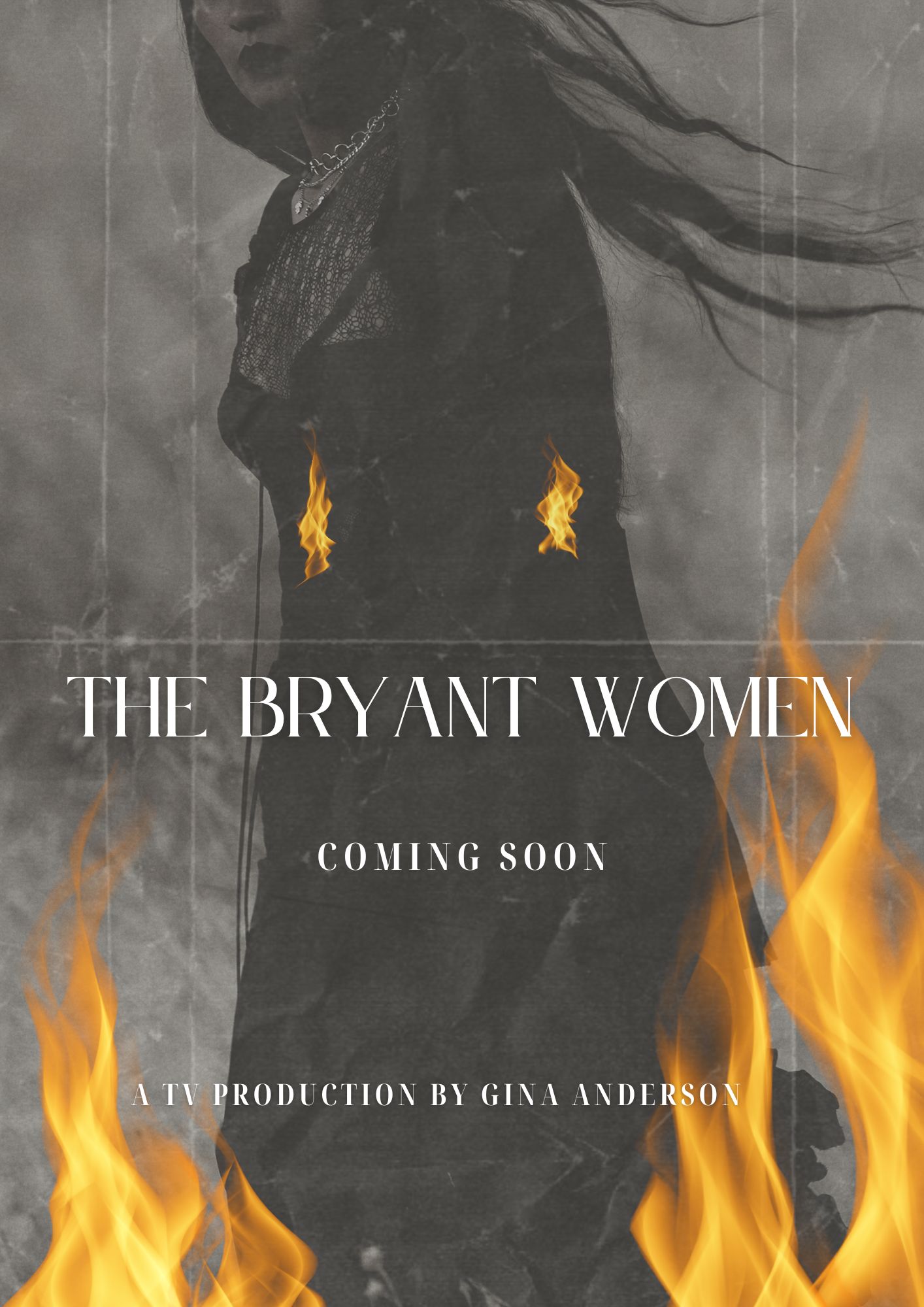
As I prepare to transition into a new industry, I’ve taken screenwriting classes and immersed myself in researching the world of TV and film. So when this program came across my radar, I jumped at the opportunity. I began my screenwriting journey last year with a supernatural drama TV pilot called The Bryant Women. I submitted it to a few smaller contests and was thrilled when it earned some placements. This year, I adapted my unpublished young adult science fantasy novel, Worlds Apart, into a feature-length screenplay.

The weeklong program included a behind-the-scenes tour of Paramount Studios, a visit to the Academy Museum of Motion Pictures, and a Pitch Fest with agents and managers. I connected with so many incredible up-and-coming screenwriters, as well as professionals already working in the TV and film industry—many of whom are authors eager to see their books adapted for the big screen.

I’m going old-school and blogging about the experience. Come along for the ride—read to the end, leave a comment, and don’t forget to like my Facebook author page!

Day 1: Meet + Greet + Words of Wisdom

Day 1 was a travel day for many of us, and we checked into the historic Hollywood Roosevelt Hotel. Although we had met virtually before arriving, it was such a treat to get dressed up and finally connect in person at the Welcome Reception, hosted by David Kirkpatrick.

David brought along his friend Gary Lucchesi, President Emeritus of the Producers Guild. Mr. Lucchesi shared some inspiring words as we embarked on our journeys as screenwriters. He told us how he started out in the mailroom and worked his way up in the industry. Stories like his are always refreshing—and a powerful reminder that everyone starts somewhere.

Day 2: Paramount Studios VIP Studio Lot Tour

Given David Kirkpatrick’s deep history and connection to Paramount Studios, we got special acccess to see behind the iconic gates of Paramount and dive into 100+ years of Hollywood magic. We got to see legendary movie props, sets, and original films in the Archive and Backlot Operations Departments. Paramount Studios was my favorite highlight of the field trip. If those studio grounds could talk!

Don’t mind me, I’m just enjoying traveling through time and space in this Star Trek Beyond set piece.
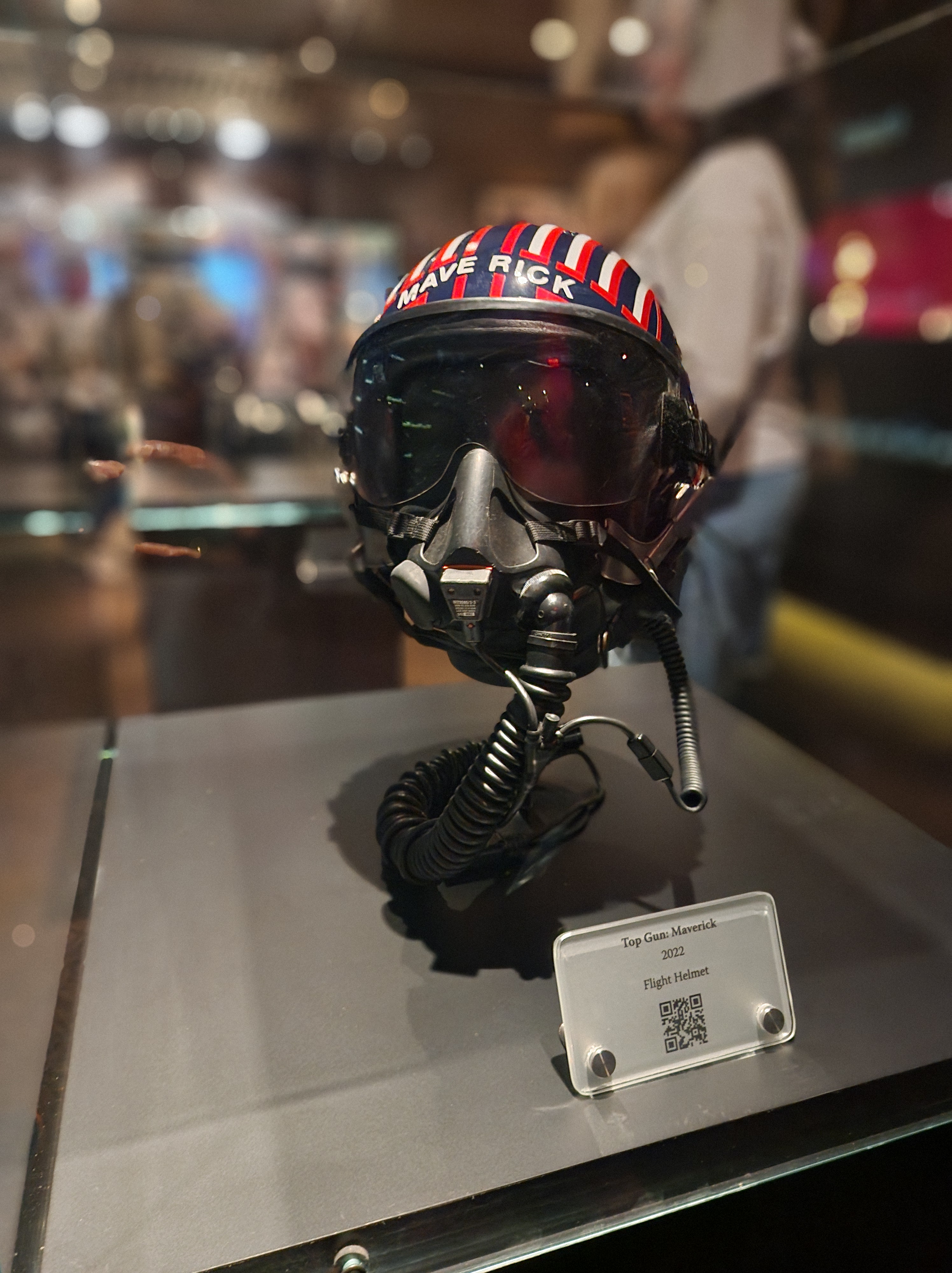
Helmet from Top Gun: Maverick

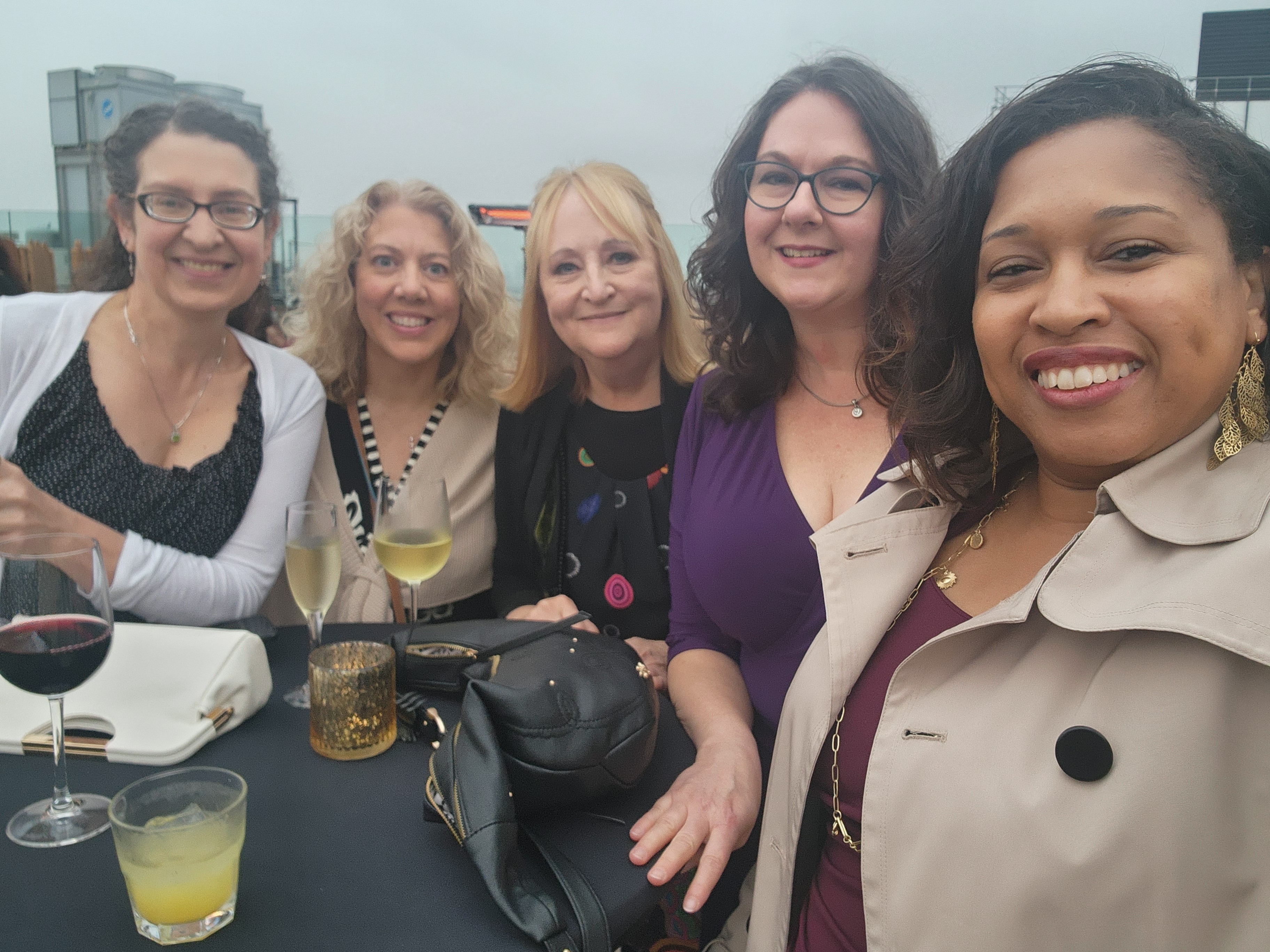
We ended the evening on the rooftop of the hotel right beneath the suite where Marilyn Monroe once lived at the Hollywood Roosevelt. We could see Hollywood Boulevard, TCL Chinese Theatre, and the Hollywood sign from up there. The evening was magical and I had the opportunity to learn more about my group’s screenplay projects.

Me and my fabulous screenwriting sisters enjoying ourselves and practicing our pitches on the rooftop.

Day 3: Pitch Fest + Academy Museum Visit

On the morning of our Pitch Fest, I did my best to calm my nerves. After all, this could be my one shot at finding representation for my TV and film projects.

Each of us had just 10 minutes to pitch to the agents and managers in attendance. I met with three agents, most of whom were primarily looking for feature film projects. It seems TV is a tougher sell at the moment.

Still, I was able to pitch my TV project—which is my most developed—to a couple of them, so we’ll see if anything comes of it. I also realized that the world-building in my feature film project is pretty complex to convey in such a short pitch, so I’ll be exploring how to best present that one moving forward.

The Pitch Fest was a great opportunity to get a sense of what sparks interest among Hollywood reps. I’m proud of myself for putting my work out there and stepping into the arena.

Pitch Fest!
A girl can dream. Let’s pray this bad girl gets produced in real life. You guys would love it!

The second half of the day was much more relaxing. Many of us were still processing the responses from the agents and managers to our pitches. When you spend days, months, and years dreaming about such an opportunity, you do your best and then it’s over in no time.

Academy Museum of Motion Pictures

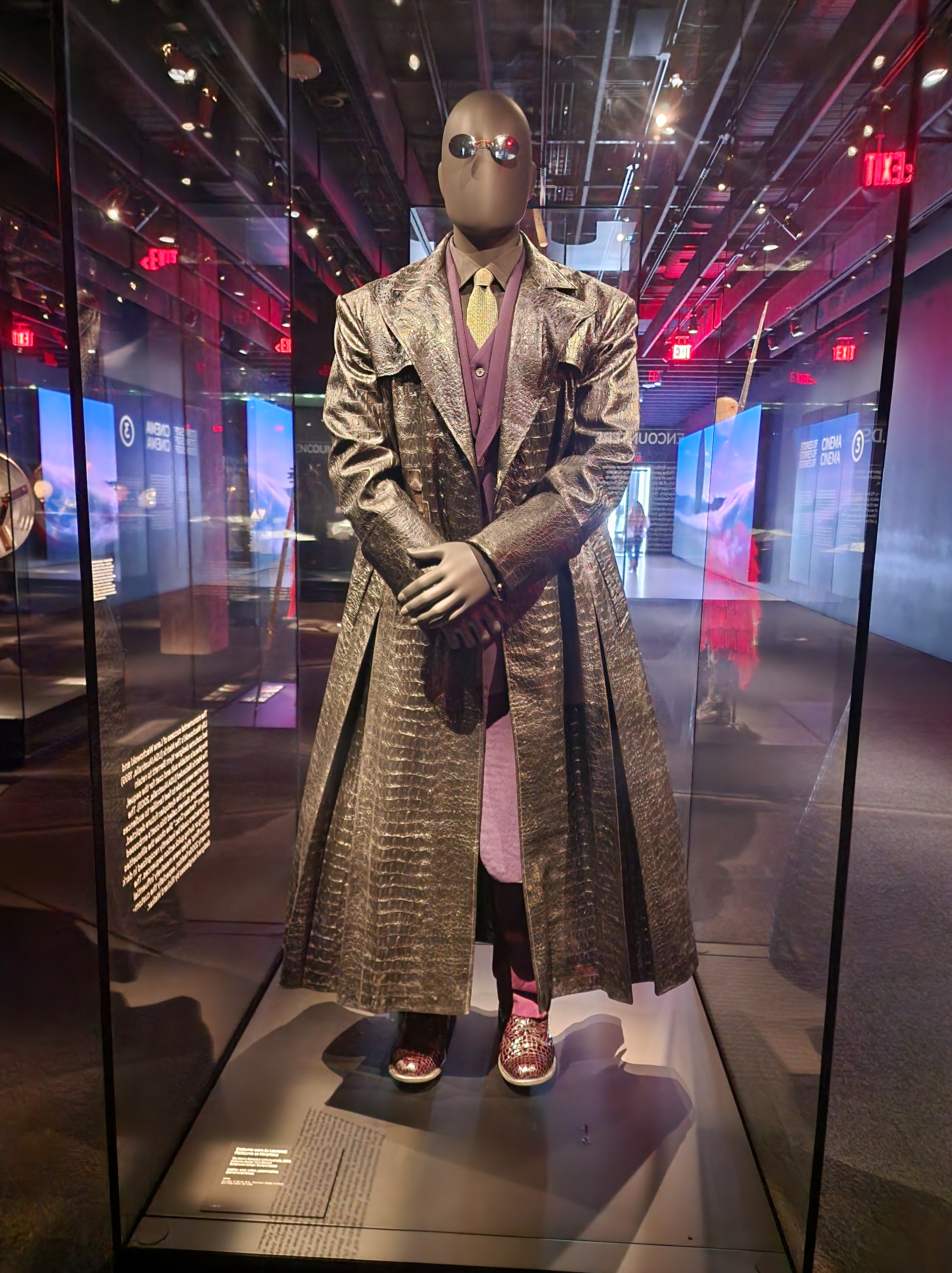
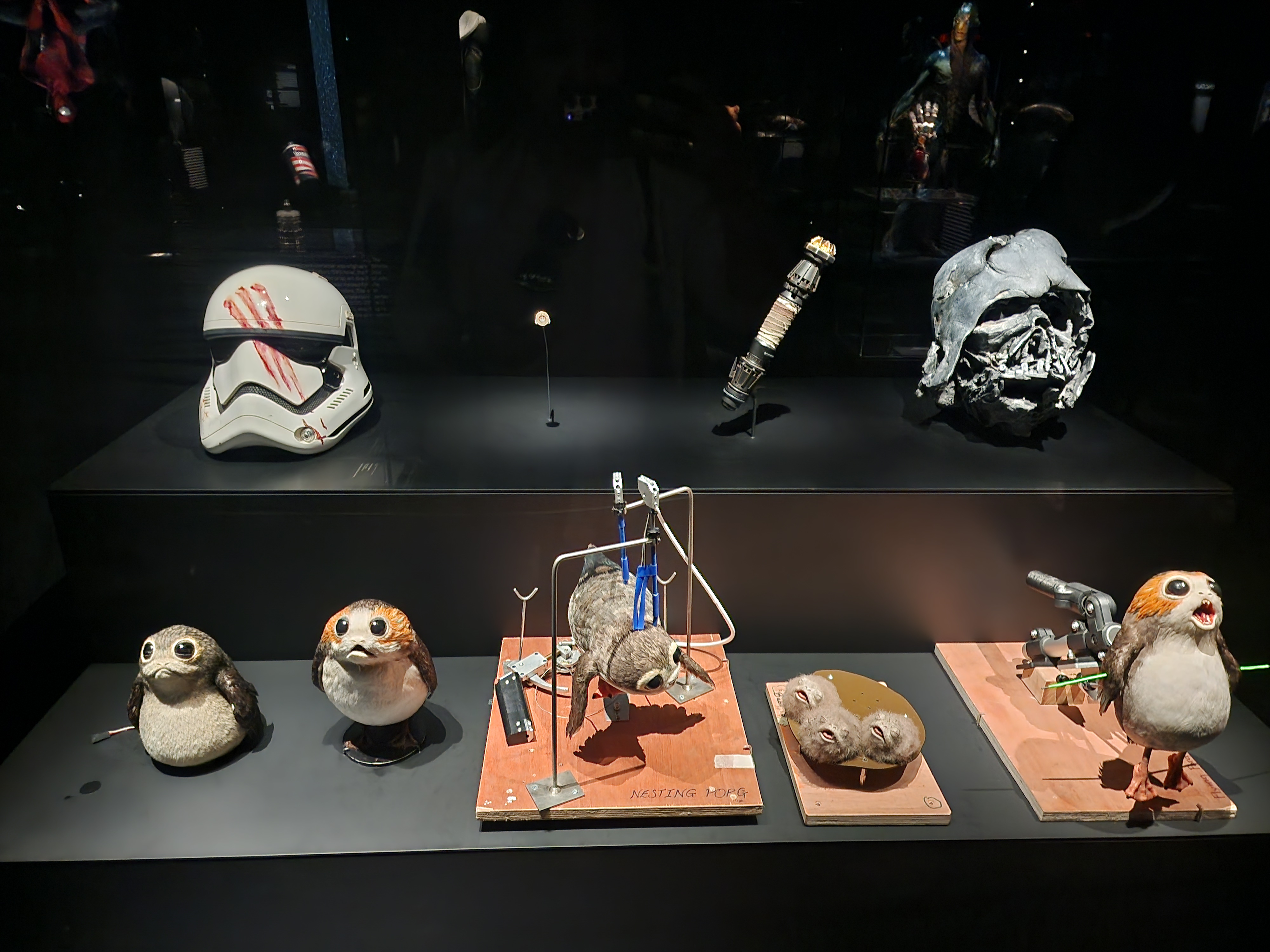
Next, we visited the Academy Museum of Motion Pictures. I had originally planned to visit back in January, but that trip was canceled due to wildfires. This time, I was thrilled that the museum visit was included as part of our program—and even more excited to experience it purely for pleasure rather than work.

When you think about it, film and television are just a little over 100 years old, yet look at how far we’ve come—in technology, genre, creativity, and the countless ways we’ve learned to express ourselves through this medium.

I was in awe learning how some of our favorite films were made. I highly recommend a visit to this museum—you’ll want to give yourself at least 2 to 3 hours to take it all in.

Barbie and Ken’s outfits from the feature film.
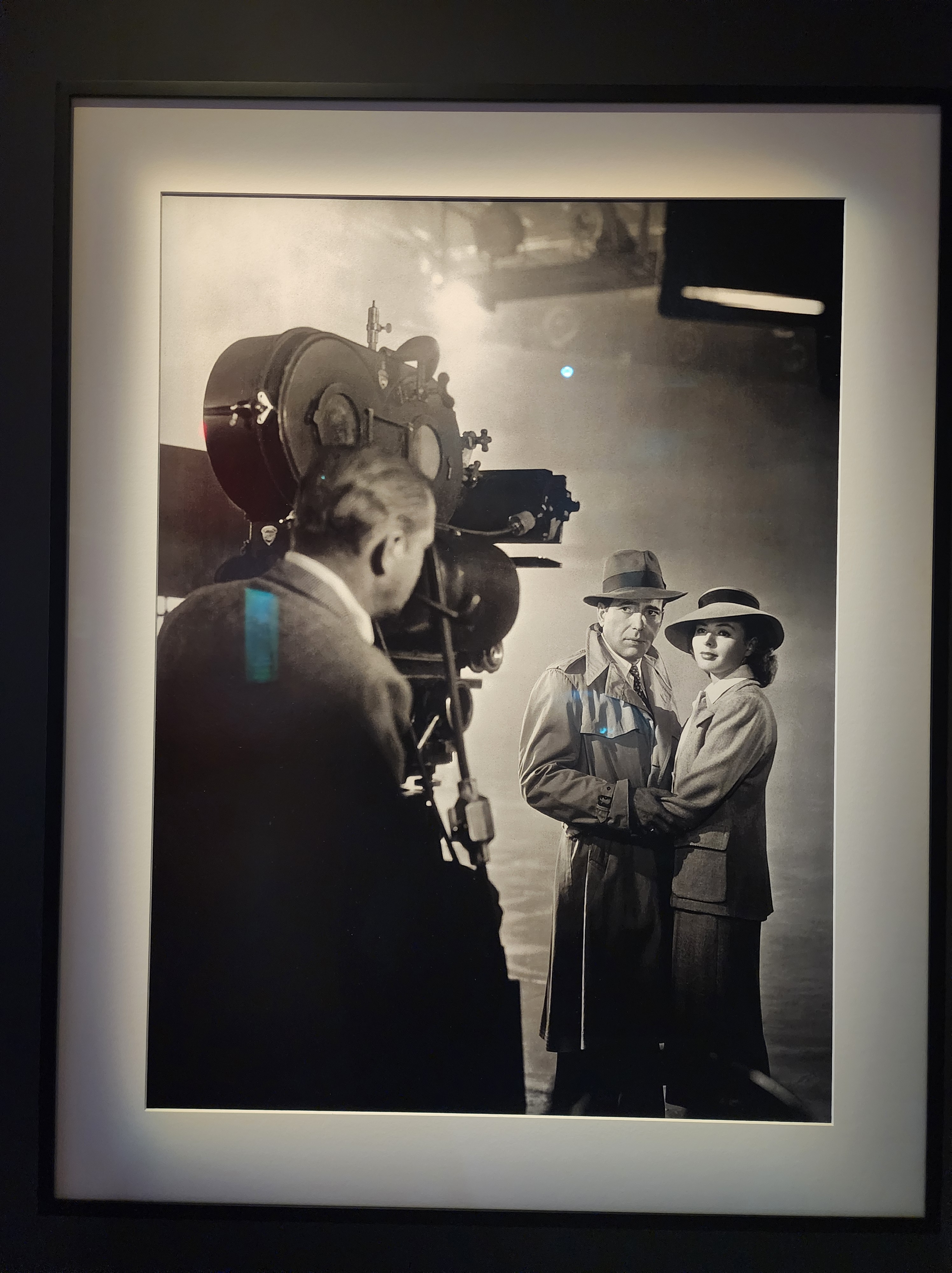
Humphrey Bogart, my grandmother’s favorite actor, and Ingrid Bergman in Casablanca.

We ended Day 3 with a cozy night in for Classic Cinema Night at the Cinegrill, located in the Hollywood Roosevelt. We watched the 1950s classic All About Eve, starring Bette Davis, Anne Baxter, and a young, up-and-coming Marilyn Monroe.

It was fascinating to see Monroe in a small role early in her career—but even more captivating to watch Bette Davis in her prime, commanding the screen with her sharp delivery and presence.

The program had provided the script in advance, allowing us to follow along and see the words come to life on screen—a thoughtful touch that deepened the experience.

The Cinegrill entrance looks like a library of books.

Day 4: Final Day

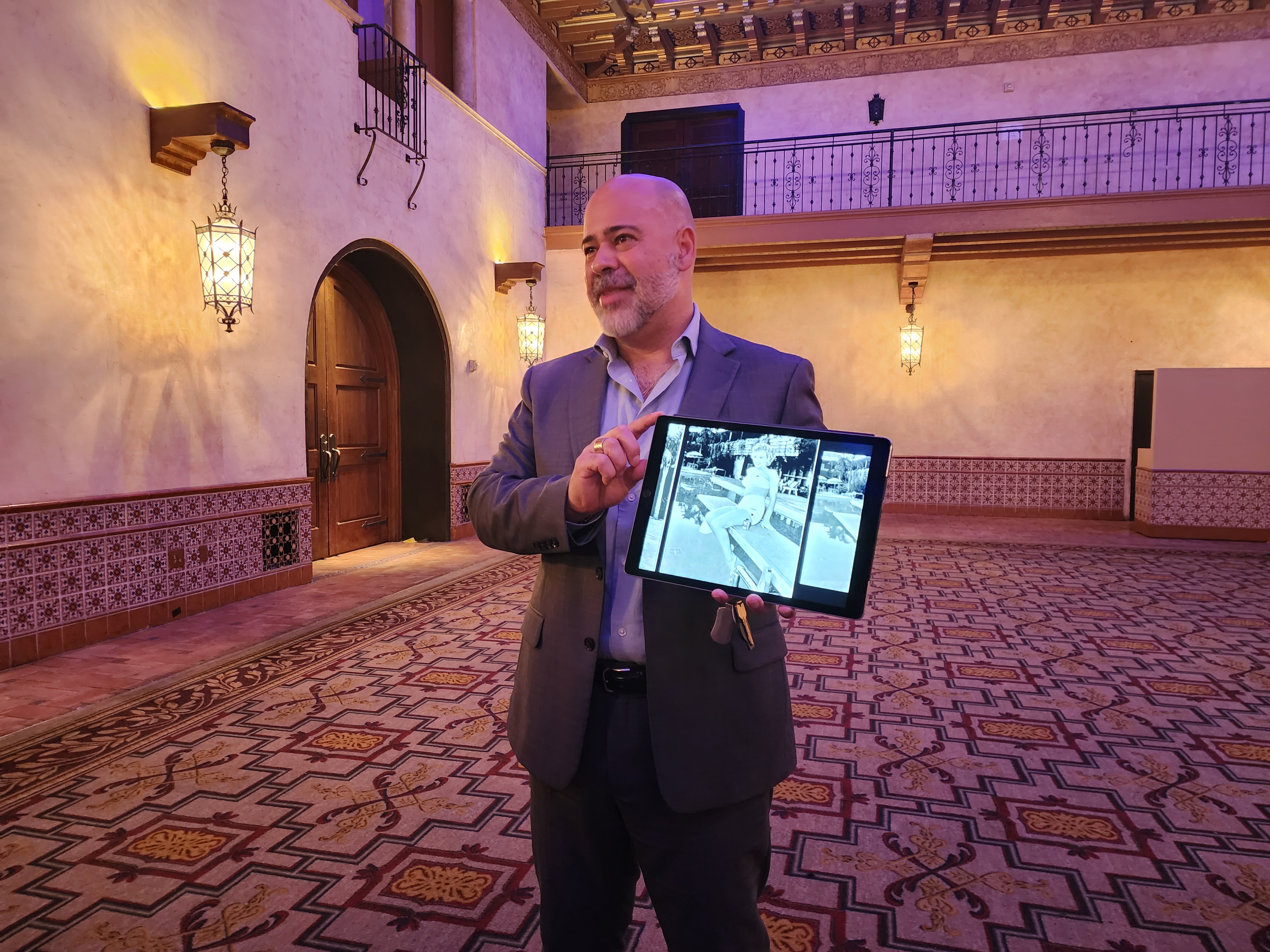
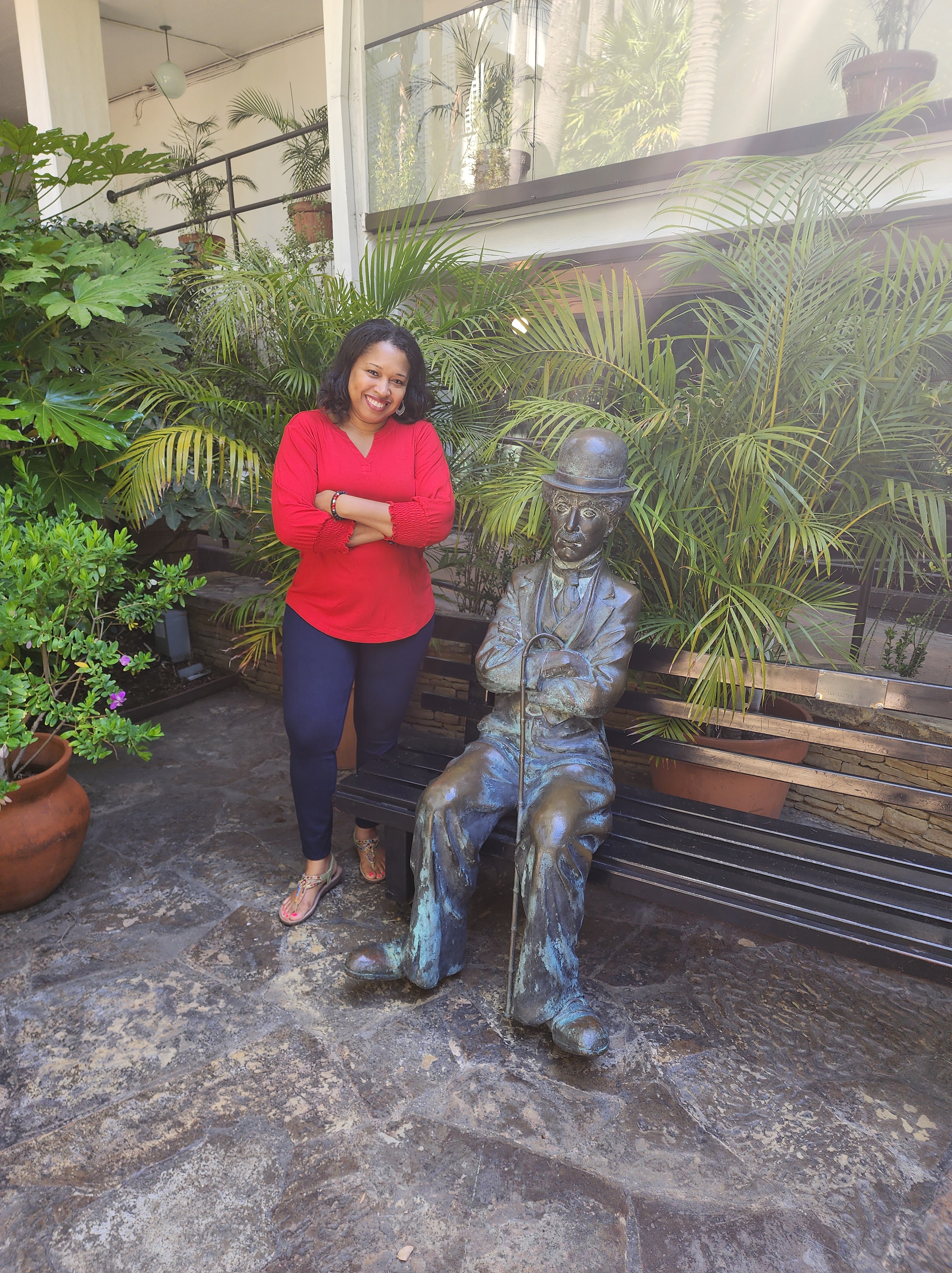
The final day of the program was very relaxed. Juan Pineda of the Hollywood Roosevelt gave us a special tour of the historic hotel. There were many stories about how the first Oscar ceremony was held there (it was less than 15 minutes!) and the famous residents like Charlie Chaplin and Marilyn Monroe.

Marilyn Monroe during one of her early photoshoots at the famous Hollywood Roosevelt Tropicana Pool.
Yes, there were ghost stories from the hotel staff. This is Marilyn Monroe’s haunted mirror.

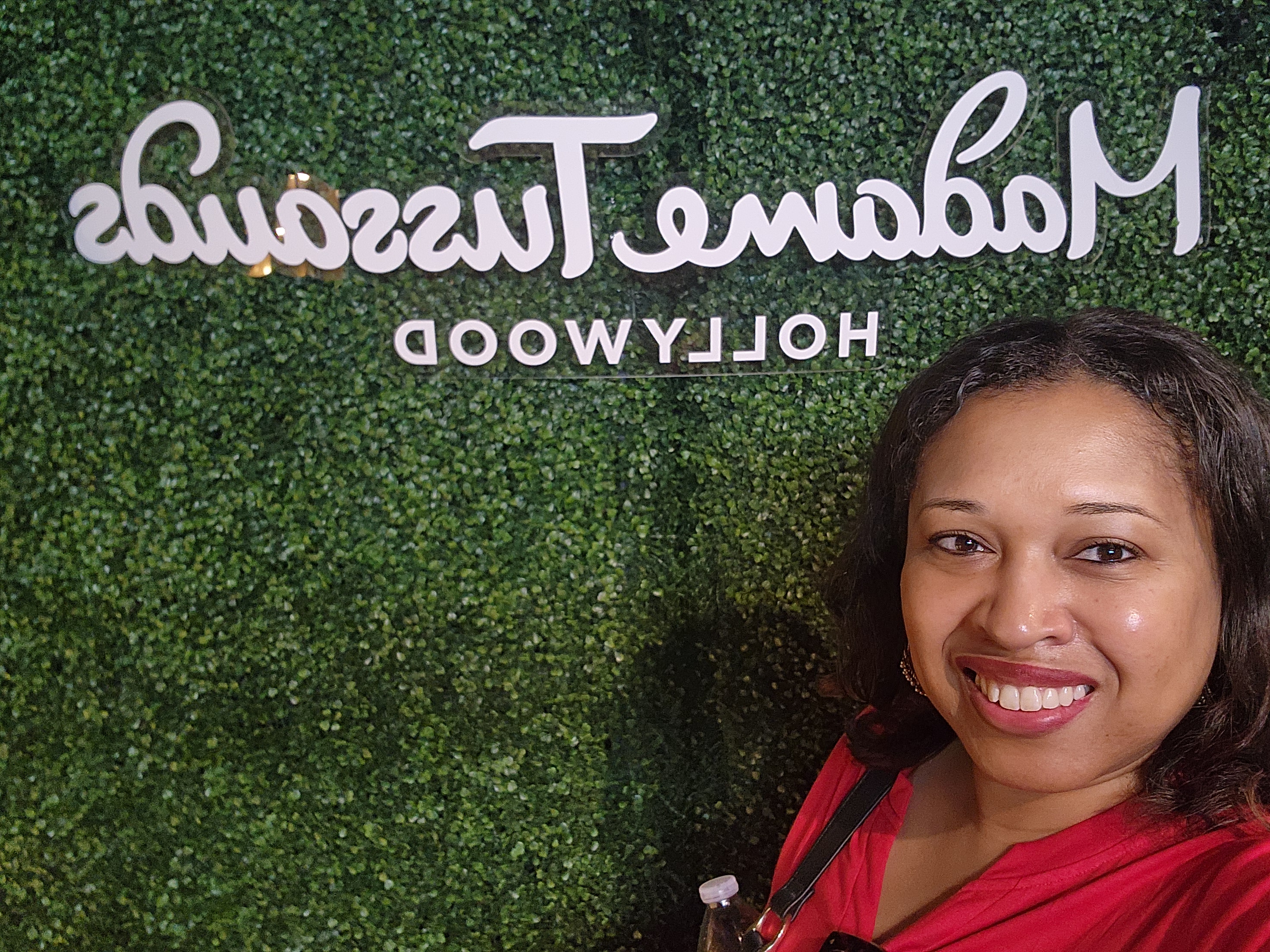
The rest of the day was free time. I spent it visiting Madame Tussauds Wax Museum, exploring the Hollywood Walk of Fame, and organizing a group viewing of Ryan Coogler’s Sinners in 4D at the TCL Chinese Theatre.

I had seen the film before, but experiencing it in 4D was something else—the moving seats and bursts of air added a whole new dimension. It felt like a pretty solid substitute for missing it in IMAX.

Seriously, you will not be prepared for how lifelike these wax statues are. It’s a little creepy!
Second time’s a charm. Team viewing of Sinners in the theatre. Loved it!

The program wrapped up with a thoughtful farewell dinner hosted by David K. We shared journal entries aloud and reflected on the incredible week we’d had—gathered together at the iconic Musso & Frank Grill, a legendary spot once frequented by classic Hollywood stars like Charlie Chaplin, Humphrey Bogart, and Marilyn Monroe.

The historic venue also served as a filming location for Once Upon a Time in Hollywood, featuring Brad Pitt and Leonardo DiCaprio in scenes directed by Quentin Tarantino.

Here is my farewell speech and I’ll leave it at that:

There are moments you dream about doing “one day”—and then there’s the moment when you’re actually living the dream. This week was that moment for me.

What I’ll never forget is the opportunity Story Summit gave us to pitch our stories—and the feeling of rising to meet that opportunity.

I did it. I sat down, wrote my screenplays, and pitched them. I did that. And I’m so proud of myself for betting on me.

I’m also deeply grateful for the community that formed around this field trip. I hope to stay connected with my fellow screenwriters as we move forward.

It felt like many of us were standing at the same crossroads in life—that do or die moment when we choose: continue as we always have, or be bold and step into a new journey as screenwriters, directors, producers, and dreamweavers.

Whether we create from scratch or help bring someone else’s vision to the screen, we won’t be the same after this experience.

We’ll always have this time—when we moved closer to the lives we’ve been dreaming of.