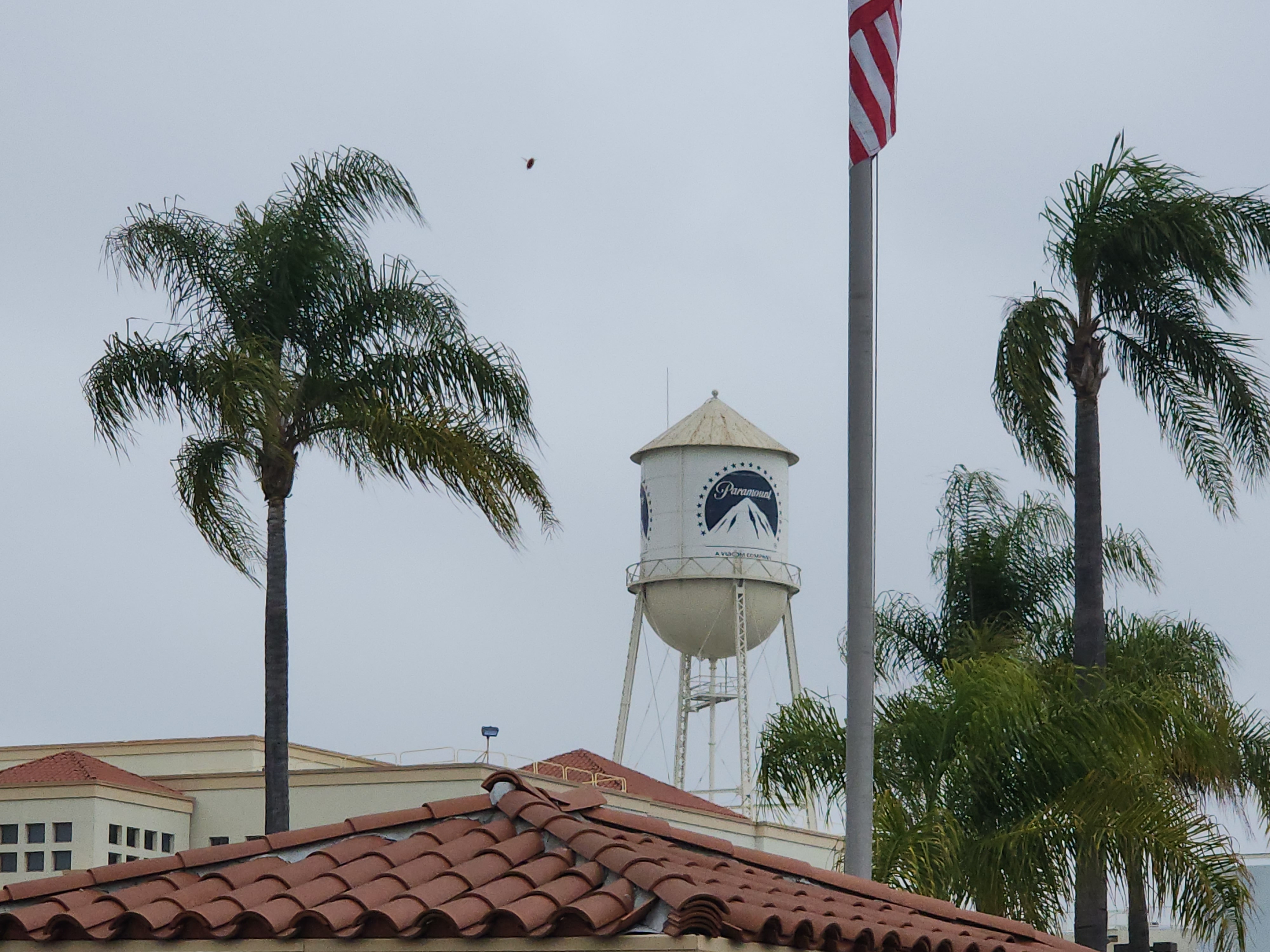
If you’ve been following the drama between Netflix and Paramount and their proposals to merge with Warner Bros. Discovery (WBD), you know that Paramount won after 10 bids. Paramount’s final offer swayed the WBD Board, and they determined it to be the “superior proposal.” Netflix quickly walked away from the deal.
If you’ve gotten whiplash trying to keep up with the ping pong match between Netflix and Paramount, you’re not alone.
Here’s the timeline:
- Dec. 2025: Netflix reached an agreement with Warner Bros. Discovery for $82.7B
- Also in December, Paramount mounted a hostile counteroffer/takeover valued at over $110B.
- Dec. 2025 – Feb. 2026: The two companies battle it out over the nuts and bolts of which deal is more attractive to the WBD Board. The most important sticking point for the industry is Netflix’s reluctance to confirm whether it will keep up with WBD’s theatrical release schedule for windows of up to 45 days.
- Late Feb. 2026: Paramount makes its final offer of $110B, and Netflix is given the option to match or exceed the offer in four days. Netflix promptly declines.
- In that very short period of time, Netflix co-CEO Ted Sarandos testifies on the Hill before Congress, which has antitrust concerns. While in Washington, Sarandos was scheduled to meet with President Trump, but before that could happen, the WBD Board pulled the rug from under him and declared Paramount’s offer the “superior proposal.”
- Paramount agreed to pay Netflix a $2.8B termination fee, which the streamer happily received and issued a statement to explain why they walked away. The short answer is that increasing their offer was turning out not to be a sound deal for their bottom line. WBD carries significant debt that Netflix was unwilling to assume.
Since the end of the high-stakes acquisition of WBD, Paramount has gradually revealed its vision for the merger, which includes at least 30 film theatrical releases each year.
Paramount’s victory over Netflix is complete, but it will be short-lived. The studio still has to navigate regulatory hurdles, but with the cozy relationship between CEO David Ellison’s father and President Trump, the deal is unlikely to face much scrutiny from the Federal government agencies responsible for approving these deals.
As of this writing, Congressional antitrust hearings on the merger have not been set, but the Department of Justice is reviewing the deal. A WBD shareholder vote is scheduled for March 20, 2026. However, WBD’s CEO, David Zaslav, said the merger could take from six months to 18 months to clear.
Besides the prestigious and financially successful WBD films, Paramount could reap the harvest of WBD’s success as long as it doesn’t shake up the creative and executive teams responsible for all of the hits the studio has continued making.
WBD has dozens of commercially and critically acclaimed films under its belt. A few of the films in the 2026 Oscar race right now include Paul Thomas Anderson’s original One Battle After Another and Ryan Coogler’s Sinners. Soon, Marty Supreme, an A24 film, will be streaming on WBD’s HBO Max platform as per the usual arrangement between the two companies.
Why Are People So Concerned About This Merger?

- Warner Bros. Discovery’s assets include some of the biggest media brands and Intellectual Property (IP) in the world: CNN, HBO, and HBO Max streaming service, TNT Sports International, Cartoon Network, Fandango, Comedy Central, and IP such as Harry Potter, Game of Thrones, and the DC Comics Universe (Superman, Wonder Woman, Batman, etc.). That’s a massive amount of media control of TV, films, and news.
- Political influence: Americans have had a preview of what a legacy media outlet’s news judgment would look like following the controversial appointment of Bari Weiss to CBS, who has been accused of censoring stories that are critical of the Trump Administration.
- Massive industry job losses: Hollywood has already gone through thousands of job losses due to the mergers of the past and even as recently as Paramount’s acquisition of Skydance in 2025. It’s expected that Paramount will do the same when it fully merges with WBD over the next year.
- Price increases for consumers.
- Finally, WBD’s CEO, David Zaslav, oversaw the studio for the last four years, presumably racking up the debt, yet he and his executive team are set to walk away with hundreds of millions of dollars in golden parachutes after the deal is done, while his workforce is almost guaranteed to see job losses.
The entertainment industry, regulators, Congress, and state Attorneys General (AG) are expected to scrutinize or halt the merger, with California’s AG Rob Bonta and Senator Elizabeth Warren leading the charge. Although, to be fair, the scrutiny would’ve come whether it was Netflix or Paramount.
On a personal note, I took a tour of the historic Paramount Studios Lot last Spring, and it was exciting to see so many productions on-site (Paradise and Matlock, to name a few) while on a Hollywood Field Trip.
That was less than a year ago, and look at how much has changed in the industry. I, like many creators, have been concerned that more mergers mean fewer opportunities and less financing for developing original TV and film projects. The few opportunities that may come about would likely go to A-List/celebrity-backed projects.
I know this post feels like all doom and gloom, but the upside is that the indie film market will likely see an uptick in small-to-medium projects hitting the film festival and distributor markets. I’ll continue to document my journey in the industry here, so stay tuned, subscribe to my blog, and follow me on any of my socials on the Find Me @ tab.


 Gina N. Anderson