Excellent Analysis of Self-Publishing Options
31 Jul 2025 Leave a comment
in Uncategorized Tags: books, creative writing, fiction, publishing
Creativity x Career Expertise: Use Your Professional Past to Build Your Future
16 Jun 2025 Leave a comment
in Uncategorized Tags: books, career, creative writing, creativity, fiction, genre fiction, publishing, screenplay, screenwriting, writing

If my career up to this point has taught me anything, it’s that you can and should use every bit of personal and professional experience you have toward your career path as a creative and professional writer.
In the past, I would’ve shrugged off these experiences as part of a winding road that I hoped would make sense to a future employer whenever I was on the job hunt. Now I look at them as breadcrumbs that led me to where I’m headed now in my creative career. How did it all start?
I’ve spent the last 15+ (I stopped counting) years as a professional communicator and public affairs specialist. The core skills in this profession range from being able to write compelling content, such as press releases, articles, and briefings for the media and executives.
Ten years ago, I received my Master of Fine Arts degree in Writing Popular Fiction, which is where I learned about writing genre fiction (sci-fi, fantasy, horror, romance, etc.) and wrote a thesis novel for the young adult audience. This experience taught me about deciding which feedback to act on from critique sessions, working with professional author mentors, and pitching to the publishing industry.
After graduation, I also worked with my alumni association on our annual writing workshop as the guest liaison, where I invited authors, literary agents, and editors to participate. I also personally guided them on the cozy Hogwarts-style campus and throughout their stay in our sleepy college town.
I was surprised by how approachable and willing many of these professionals were when it came down to giving back to the writing community. Some of them offered to read the workshop participants’ manuscripts, and many simply listened to their pitches and provided feedback. Some people got representation from their novels, but many of the participants simply appreciated the opportunity to pitch in a friendly setting as opposed to a big conference.
I’ve had rich cross-cultural experiences that expanded my knowledge of various cultures. I studied abroad in Russia, taught English in Japan, and worked with New Zealanders and Maori for a few years as a public affairs and events manager.
There is a depth of knowledge about the language and cultures that I wouldn’t have known by just Googling for information. I feel so fortunate to have had these opportunities to make some deep and enriching connections with the people that I worked with. Some of them are still lifelong friends.
In the last year, I’ve been preparing myself for a new career as a screenwriter in the film and television industry. I’ve taken screenwriting classes, written two screenplays for TV and film, and entered contests.
Looking at all of these experiences, you might think that they have zero connection to each other, but that’s not true. I’m the connection. I have to see how I can use my international, education, cultural, and communications background to serve me going forward.
Here are some tips and takeaways that I think might be helpful to you too:
- Never turn down an opportunity to expand your skills. Does the job as a telemarketer sound like a drag? Maybe it’s actually preparing you for pitching your book to the publishing industry.
- Don’t be so rigid in your professional aspirations that you only take jobs that are safe. This one is pretty self-explanatory, but if you’re a professional communicator and don’t dip your toes into the “dark side” of marketing, you might be missing out. While these two career paths might require similar skillsets, the approaches to reaching audiences are quite different. Marketing skills is yet another way to pitch your stories, products, or ideas.
- Take on volunteer or internship positions to break into your new industry. If someone doesn’t want to hire you because you don’t have years of experience or education in a certain area, take on roles that are lower barrier to entry, e.g. unpaid or part-time paid positions.
How has it been going for me so far? Pretty good. I’ve placed in a few of the screenplay contests that I’ve entered, but no monetary rewards thus far, just the joy of knowing that I did that!
I’ve published three short stories in anthologies in the last two years and got paid a small amount for one of the publishing contracts. I would’ve published more, but that’s just because I haven’t submitted stories in a while. Right now, I’m just focused on submitting screenplays over short stories, but I’ll get back to it! Imagine how much I can accomplish if I put all of my energy into it.
The moral of the story is that you truly should be mining your experiences for how you can apply what you’ve learned in your personal and professional life to your new career path. Make a simple tree of knowledge to show the experience and compare it to what is needed to enter the industry that you’re interested in.
My tree of knowledge might look like me using my communications skills to write blogs and articles about my writing projects and promoting it on social media and podcasts. It might mean that I don’t have to pay someone to do these things, which ultimately saves me money.
It might also look like me using my media pitching skills to pitch my novel and screenplays to agents and managers. The sky is truly the limit.
So, don’t see your past as a maze of bill-paying jobs, see them as the building blocks to your future. Best of luck to you!
Hollywood Field Trip, May 2025
14 May 2025 4 Comments
in Uncategorized Tags: books, film, hollywood, movies, screenwriting, travel
This May, I participated in Story Summit’s Hollywood Field Trip in Los Angeles—a thoughtfully curated experience that brought together aspiring screenwriters, affectionately known as The Write Stuff, from across the U.S., Scotland, Australia, and Canada. The program was organized by David Kirkpatrick, founder of Story Summit and former president of Paramount Pictures, along with his incredible support team.
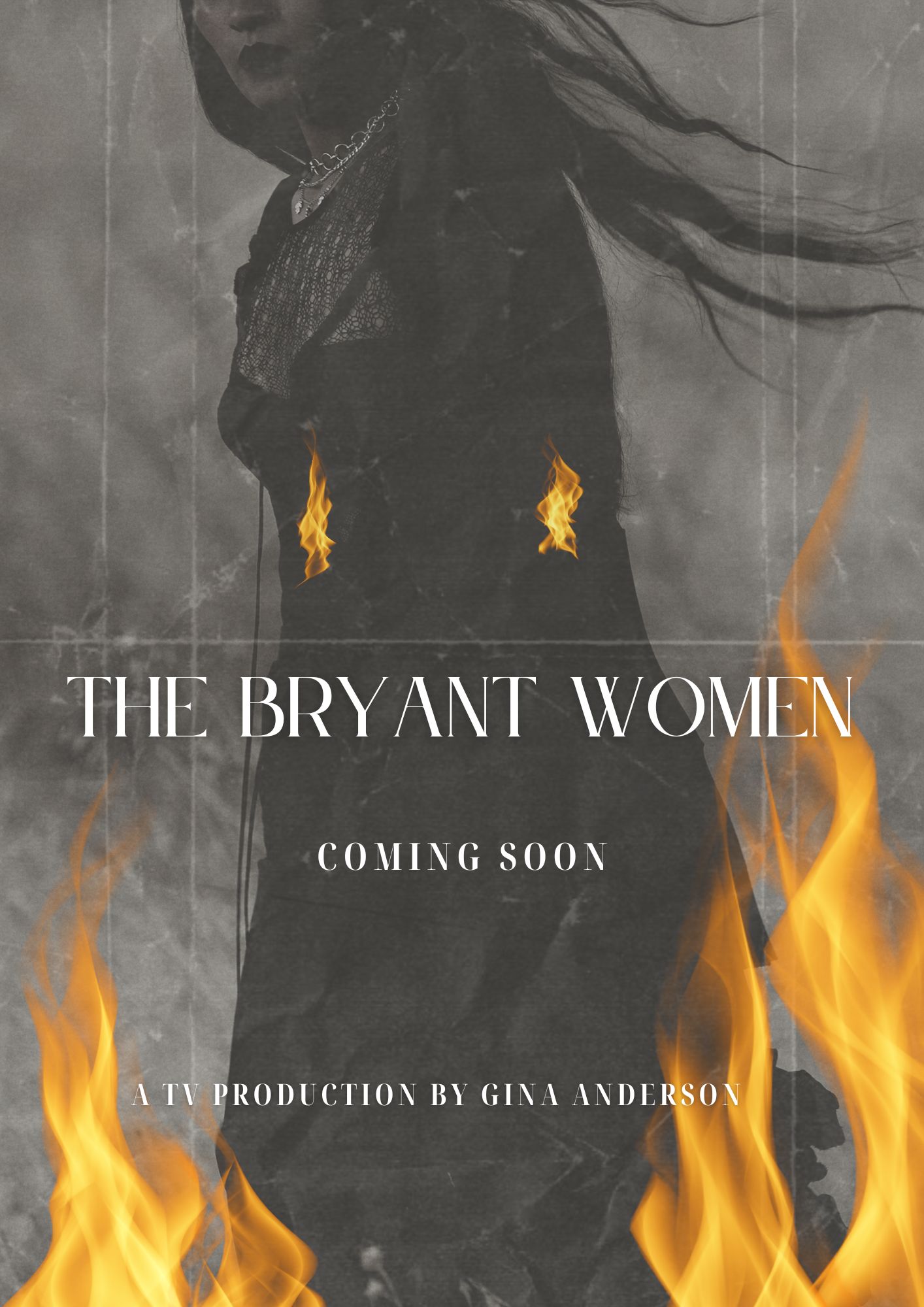
As I prepare to transition into a new industry, I’ve taken screenwriting classes and immersed myself in researching the world of TV and film. So when this program came across my radar, I jumped at the opportunity. I began my screenwriting journey last year with a supernatural drama TV pilot called The Bryant Women. I submitted it to a few smaller contests and was thrilled when it earned some placements. This year, I adapted my unpublished young adult science fantasy novel, Worlds Apart, into a feature-length screenplay.
The weeklong program included a behind-the-scenes tour of Paramount Studios, a visit to the Academy Museum of Motion Pictures, and a Pitch Fest with agents and managers. I connected with so many incredible up-and-coming screenwriters, as well as professionals already working in the TV and film industry—many of whom are authors eager to see their books adapted for the big screen.
I’m going old-school and blogging about the experience. Come along for the ride—read to the end, leave a comment, and don’t forget to like my Facebook author page!
Day 1: Meet + Greet + Words of Wisdom
Day 1 was a travel day for many of us, and we checked into the historic Hollywood Roosevelt Hotel. Although we had met virtually before arriving, it was such a treat to get dressed up and finally connect in person at the Welcome Reception, hosted by David Kirkpatrick.

David brought along his friend Gary Lucchesi, President Emeritus of the Producers Guild. Mr. Lucchesi shared some inspiring words as we embarked on our journeys as screenwriters. He told us how he started out in the mailroom and worked his way up in the industry. Stories like his are always refreshing—and a powerful reminder that everyone starts somewhere.

Day 2: Paramount Studios VIP Studio Lot Tour
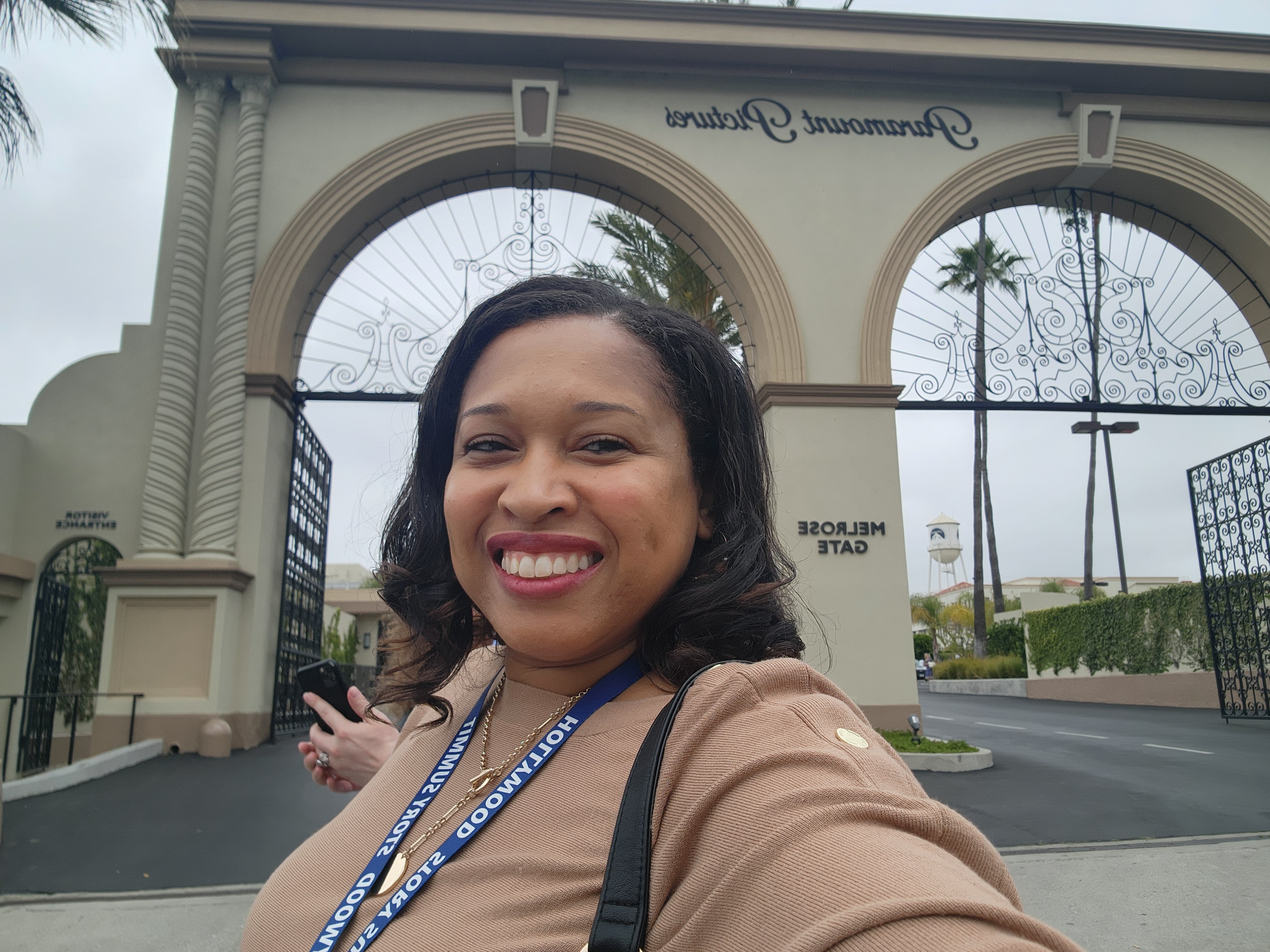
Given David Kirkpatrick’s deep history and connection to Paramount Studios, we got special acccess to see behind the iconic gates of Paramount and dive into 100+ years of Hollywood magic. We got to see legendary movie props, sets, and original films in the Archive and Backlot Operations Departments. Paramount Studios was my favorite highlight of the field trip. If those studio grounds could talk!


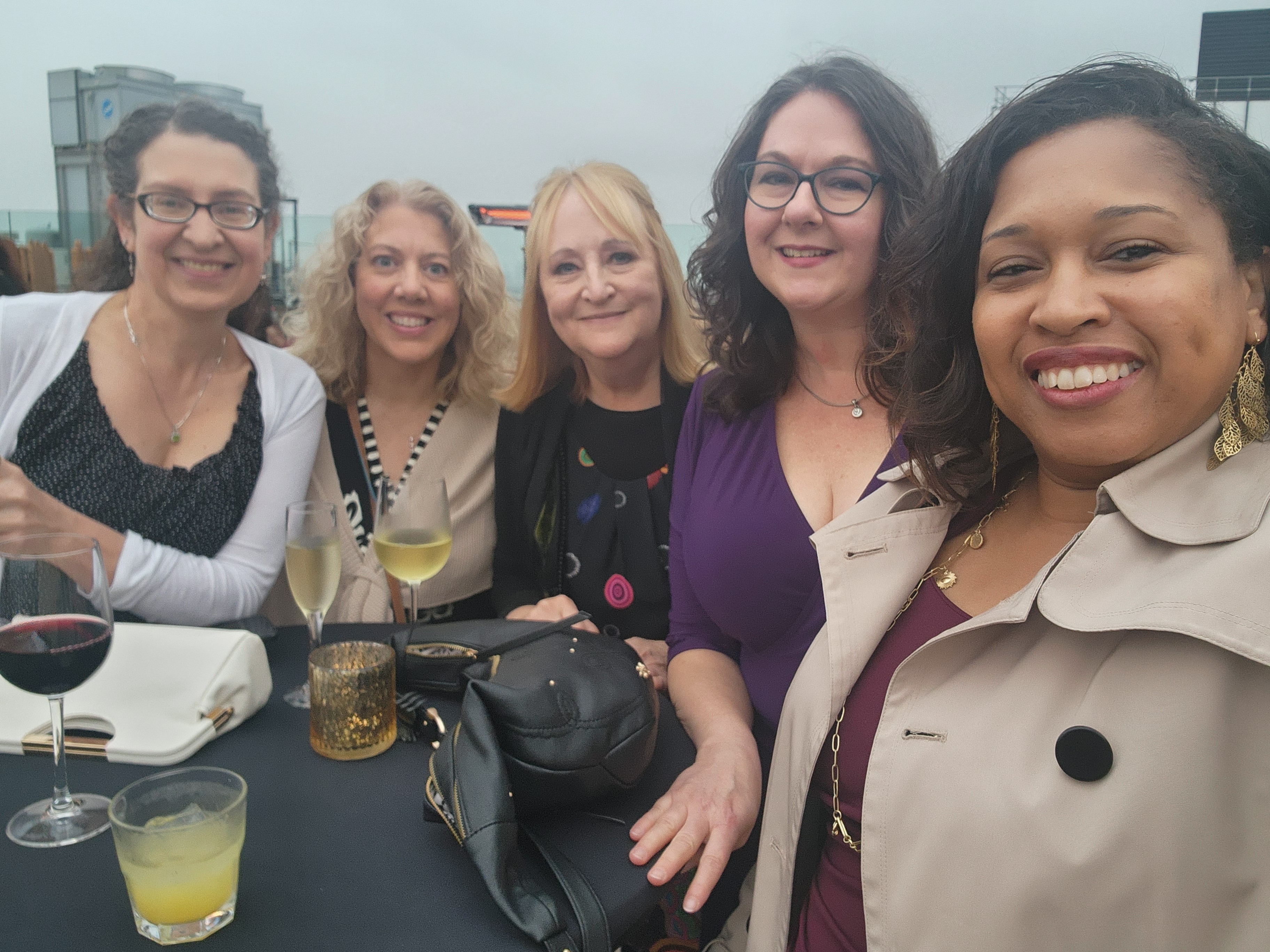
We ended the evening on the rooftop of the hotel right beneath the suite where Marilyn Monroe once lived at the Hollywood Roosevelt. We could see Hollywood Boulevard, TCL Chinese Theatre, and the Hollywood sign from up there. The evening was magical and I had the opportunity to learn more about my group’s screenplay projects.

Day 3: Pitch Fest + Academy Museum Visit
On the morning of our Pitch Fest, I did my best to calm my nerves. After all, this could be my one shot at finding representation for my TV and film projects.
Each of us had just 10 minutes to pitch to the agents and managers in attendance. I met with three agents, most of whom were primarily looking for feature film projects. It seems TV is a tougher sell at the moment.
Still, I was able to pitch my TV project—which is my most developed—to a couple of them, so we’ll see if anything comes of it. I also realized that the world-building in my feature film project is pretty complex to convey in such a short pitch, so I’ll be exploring how to best present that one moving forward.
The Pitch Fest was a great opportunity to get a sense of what sparks interest among Hollywood reps. I’m proud of myself for putting my work out there and stepping into the arena.

The second half of the day was much more relaxing. Many of us were still processing the responses from the agents and managers to our pitches. When you spend days, months, and years dreaming about such an opportunity, you do your best and then it’s over in no time.
Academy Museum of Motion Pictures
Next, we visited the Academy Museum of Motion Pictures. I had originally planned to visit back in January, but that trip was canceled due to wildfires. This time, I was thrilled that the museum visit was included as part of our program—and even more excited to experience it purely for pleasure rather than work.
When you think about it, film and television are just a little over 100 years old, yet look at how far we’ve come—in technology, genre, creativity, and the countless ways we’ve learned to express ourselves through this medium.
I was in awe learning how some of our favorite films were made. I highly recommend a visit to this museum—you’ll want to give yourself at least 2 to 3 hours to take it all in.

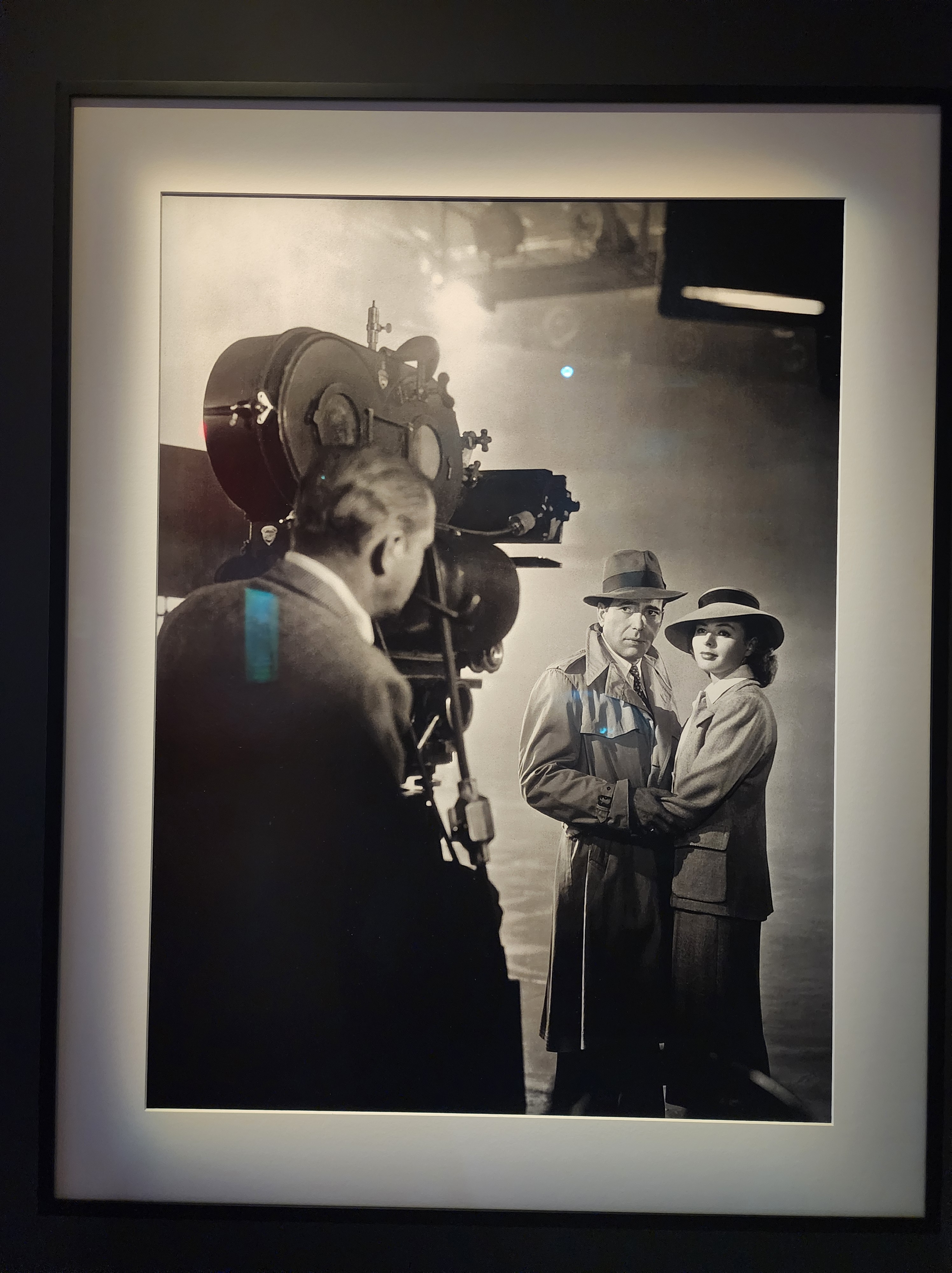
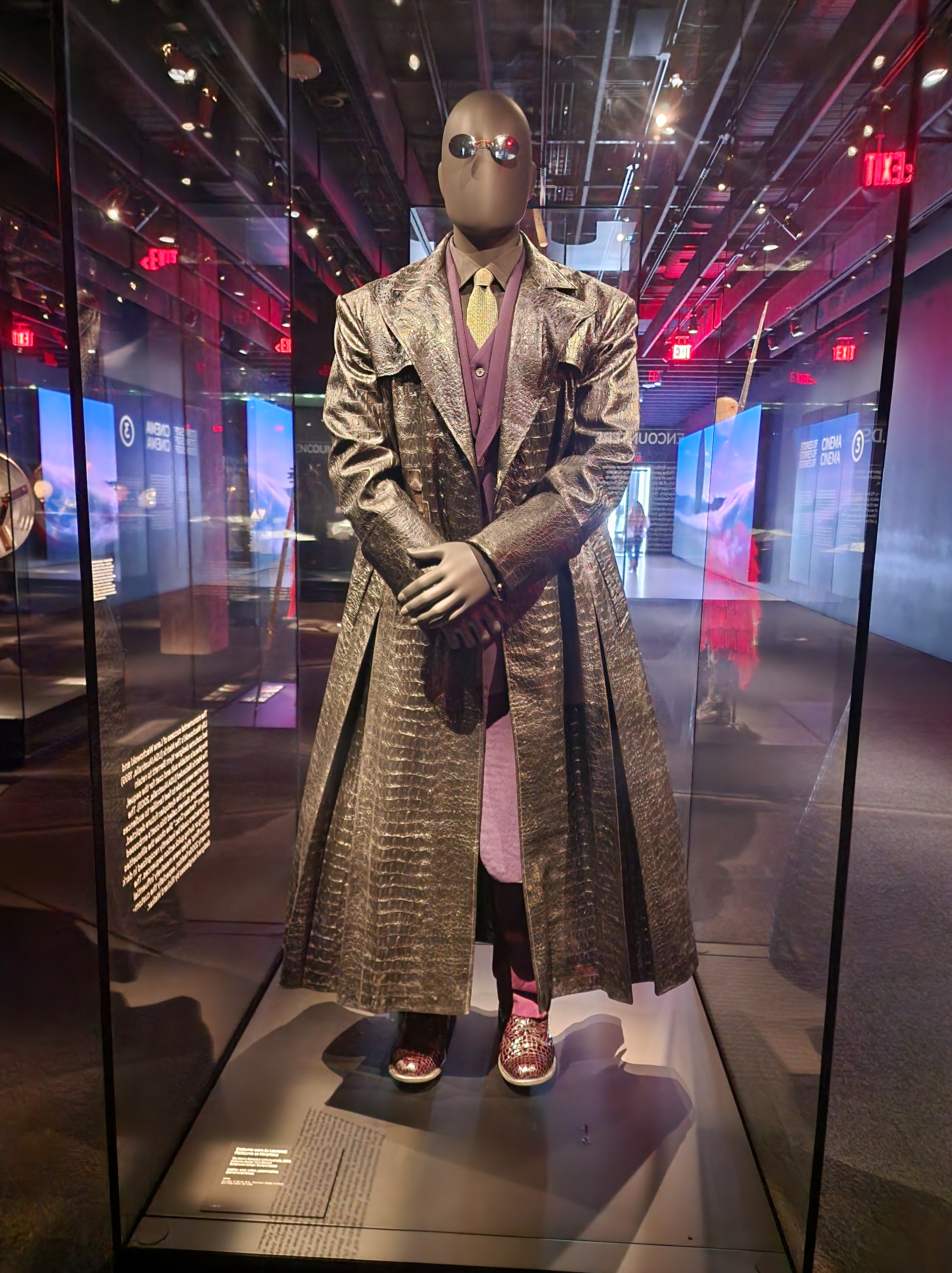
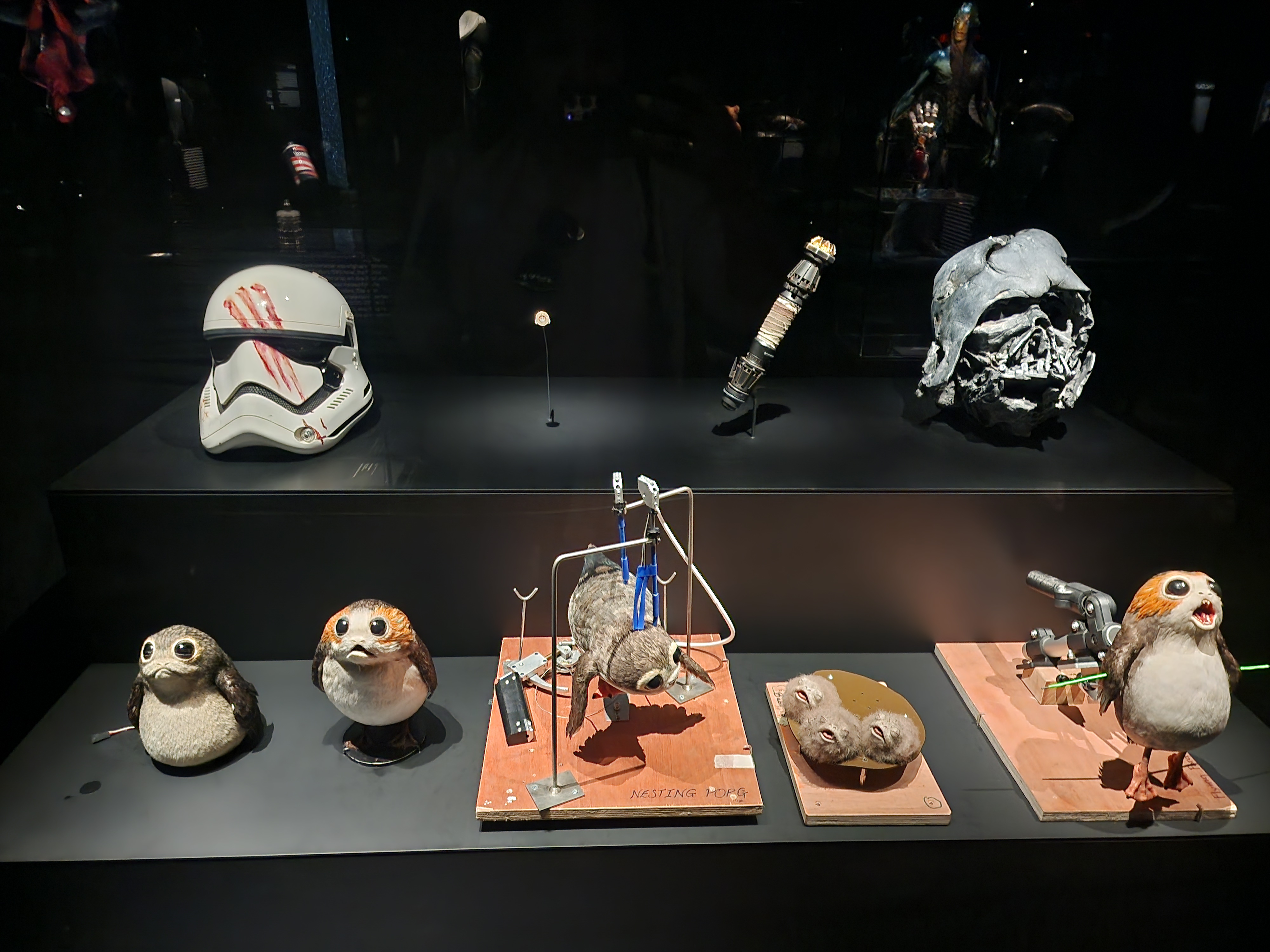
We ended Day 3 with a cozy night in for Classic Cinema Night at the Cinegrill, located in the Hollywood Roosevelt. We watched the 1950s classic All About Eve, starring Bette Davis, Anne Baxter, and a young, up-and-coming Marilyn Monroe.
It was fascinating to see Monroe in a small role early in her career—but even more captivating to watch Bette Davis in her prime, commanding the screen with her sharp delivery and presence.
The program had provided the script in advance, allowing us to follow along and see the words come to life on screen—a thoughtful touch that deepened the experience.


Day 4: Final Day
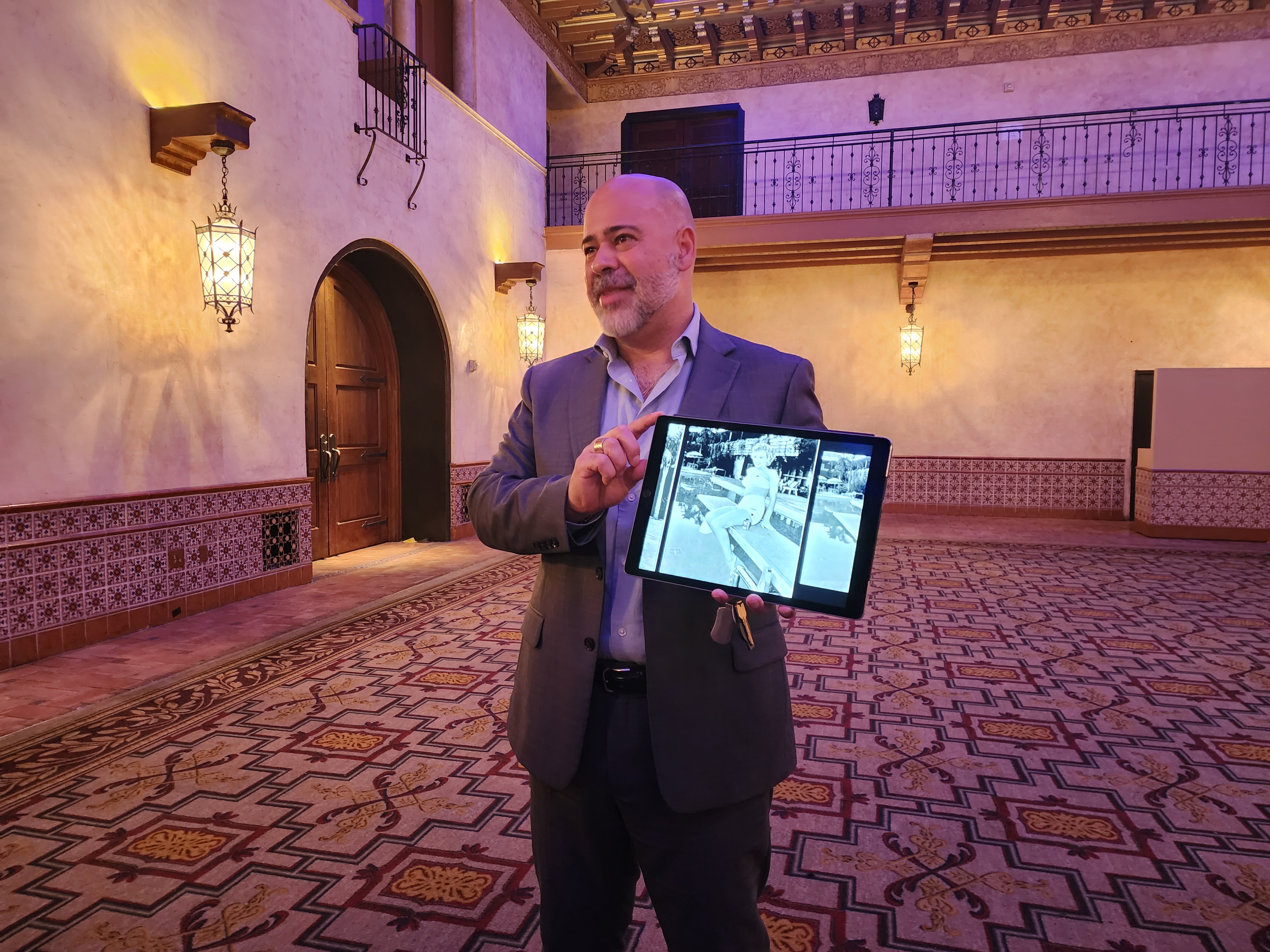
The final day of the program was very relaxed. Juan Pineda of the Hollywood Roosevelt gave us a special tour of the historic hotel. There were many stories about how the first Oscar ceremony was held there (it was less than 15 minutes!) and the famous residents like Charlie Chaplin and Marilyn Monroe.
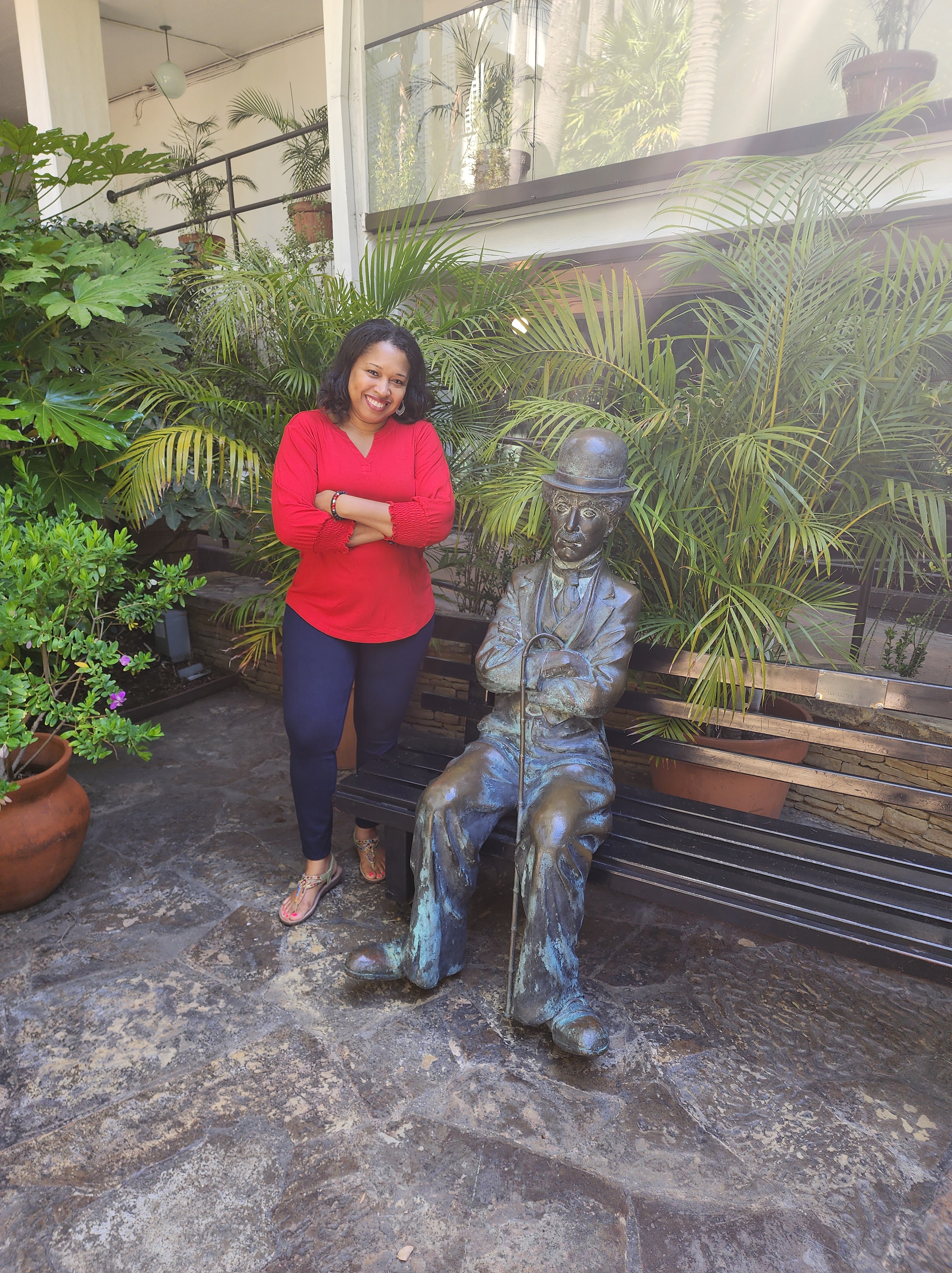

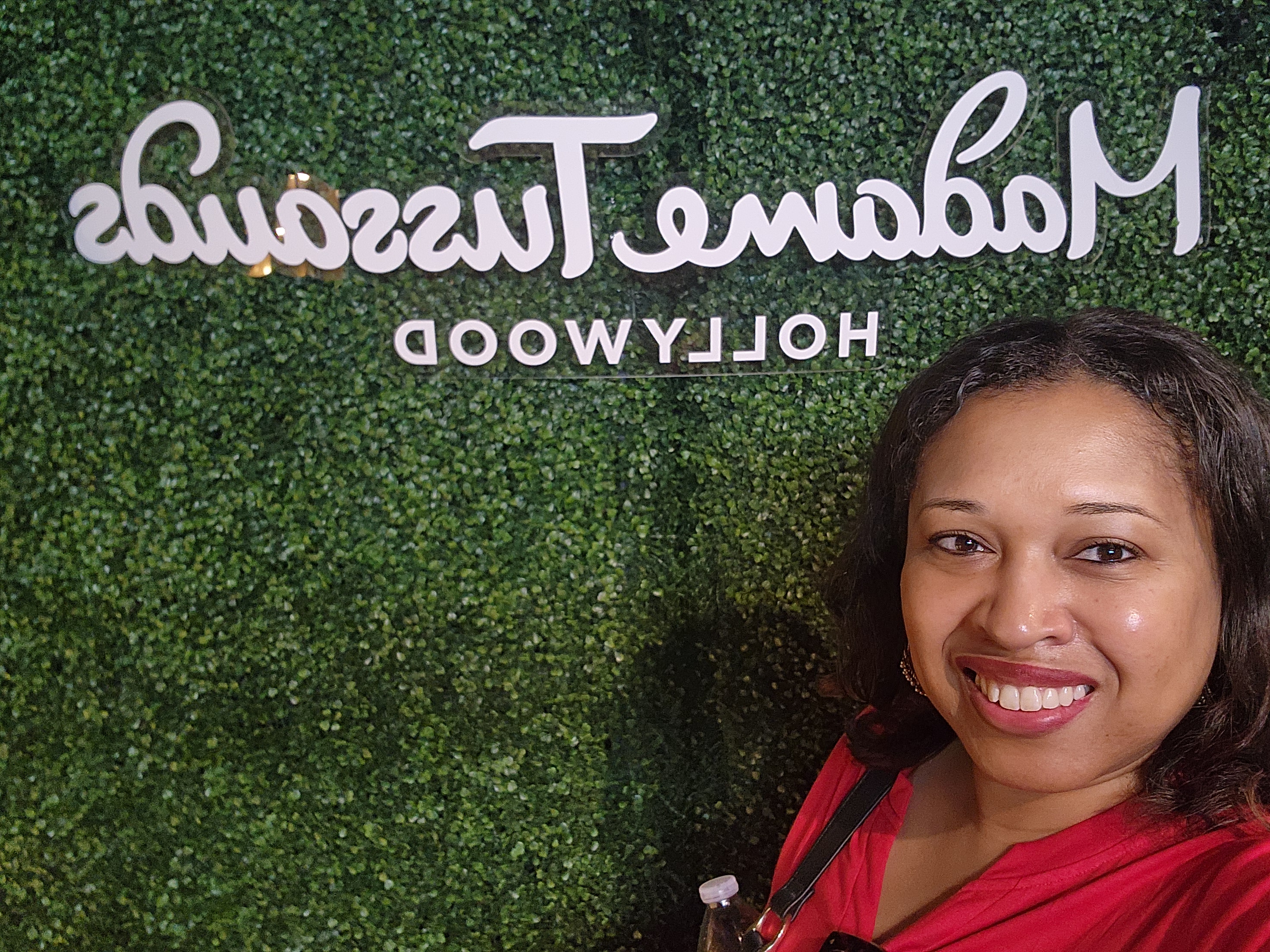
The rest of the day was free time. I spent it visiting Madame Tussauds Wax Museum, exploring the Hollywood Walk of Fame, and organizing a group viewing of Ryan Coogler’s Sinners in 4D at the TCL Chinese Theatre.
I had seen the film before, but experiencing it in 4D was something else—the moving seats and bursts of air added a whole new dimension. It felt like a pretty solid substitute for missing it in IMAX.


The program wrapped up with a thoughtful farewell dinner hosted by David K. We shared journal entries aloud and reflected on the incredible week we’d had—gathered together at the iconic Musso & Frank Grill, a legendary spot once frequented by classic Hollywood stars like Charlie Chaplin, Humphrey Bogart, and Marilyn Monroe.
The historic venue also served as a filming location for Once Upon a Time in Hollywood, featuring Brad Pitt and Leonardo DiCaprio in scenes directed by Quentin Tarantino.
Here is my farewell speech and I’ll leave it at that:
There are moments you dream about doing “one day”—and then there’s the moment when you’re actually living the dream. This week was that moment for me.
What I’ll never forget is the opportunity Story Summit gave us to pitch our stories—and the feeling of rising to meet that opportunity.
I did it. I sat down, wrote my screenplays, and pitched them. I did that. And I’m so proud of myself for betting on me.
I’m also deeply grateful for the community that formed around this field trip. I hope to stay connected with my fellow screenwriters as we move forward.
It felt like many of us were standing at the same crossroads in life—that do or die moment when we choose: continue as we always have, or be bold and step into a new journey as screenwriters, directors, producers, and dreamweavers.
Whether we create from scratch or help bring someone else’s vision to the screen, we won’t be the same after this experience.
We’ll always have this time—when we moved closer to the lives we’ve been dreaming of.
Fantasy Magazine is Back!
26 Jan 2025 Leave a comment
in fiction, Uncategorized Tags: author, fantasy, fiction, publishing, writer
And just like that, Fantasy magazine is back online and it looks like they’ll be taking submissions this until January 29, 2025. That means that you have a few more days to submit. What’s great about Fantasy magazine is that they are a paying publication at 10 cents/word for short fiction and $50 for original poetry. Take a look at the full submission guidelines and send your stories right away!
Publication Closures Everywhere
27 Dec 2024 Leave a comment
in Uncategorized Tags: books, fiction, publishing, writing, writing-tips

Last year, I spent the last quarter of the year focused on writing and submitting short stories to various publications. I’ve had some success with this process, so I decided do another write-submit cycle recently only to find that some of my favorite publications have closed.
It takes a lot of energy and effort to keep a publication going and the options to monetize content are diminishing with each new platform that readers use to consume content. Can publishers keep up with all of the ways to attract readers? Or are readers simply not reading as much as they used to?
In 2021, the Pew Research Center conducted a survey of U.S. adults and found that 23% had not read a book in the past 12 months. That was during the pandemic, so I assumed that more people were reading books during quarentine. So what did those non-readers do instead? I’m going to take an educated guess that many of them watched more television with their free time.
Anecdotally, I’ve noticed that the list of publications permanently closing to submissions on Duotrope is getting longer depending on the week. There are still many new publications popping up, but how long will they stick around?
Tip: Writers, make sure you notice the fine prints on the author rights section of the publisher’s contracts before signing to ensure that you retain your rights no matter what happens to the publication.
Whatever the case my be heading into 2025, whether publications are closing due to rising costs, low readership, or video games dominating the attention spans of youth audiences, we’re seeing content preference segmentation like we’ve never seen before.
Here are some of the genre fiction publications that I recently found out have closed for good or closed to submissions. Many of them cited closing due to a decline in readership and financial challenges.
- Sirens Call Publications closed in October 2024. This makes me sad because it was my first writing credit.
- Fantasy Magzine closed in October 2023. This was a shock to me because it’s a well-known publication. I had been building up my publication credits (and my courage) to finally submit to them. Bummer.
- Uncanny Magazine is currently closed to submissions and have no scheduled open periods. While this is not evidence of a future closure, it does concern me that even the more established publications are going through uncertainty right now.
Some of the publications that I’ve seen closing will not be missed. Not because the publications are not good, but because they probably didn’t enjoy wide readership anyway.
What’s a Writer to Do When the Market is Shrinking?
- Evolve. There are many ways to get your content out there. Maybe you can start self-publishing on platforms with a built-in audience, or submit to fiction publications on platforms like Medium.com .
- Explore alternative ways to share your brilliant stories. Does your short story have the potential to be a short film instead? Could your romance novel be turned into a RomCom movie on a streaming platform? There are many ways to work in different industries as readers and viewers’ preferences shift.
- Start your own publication. I’m sure this is a heavy lift, but there are many pathways to digital publication. And if you’re a part of the writerly community, you’ve likely got friends who want to be a part of your vision.
Don’t despair, sometimes challenges lead to opportunities. While the publication industry is on shaky ground, you will always find a way when you’ve got writing skills.
New Publication Alert: Serial Encounters
06 Mar 2024 Leave a comment

My Screenwriting Journey: Examining Book to Screen Projects
31 Jan 2024 Leave a comment
in Uncategorized Tags: fiction, movies, screenplay, screenwriting, writing

Recently, I’ve expanded my writing journey from genre fiction for publication to screenwriting. I’ve been watching books to TV and film projects in hopes of unpacking the characterization in print form to screenplay format.
Being a speculative fiction writer, I’ve chosen to examine Stephen King’s books to film, Vampire Diaries, True Blood, and obviously I’ll expand into literary fiction to film projects eventually. I’m picking the low-hanging fruit first so that I don’t mire myself in symbolism and other literary devices.
The aforementioned content has enjoyed a second life on streaming recently and confirmed that even the current generation finds pleasure in popular (genre) fiction. Final Girl Jamie Lee Curtis winning an Oscar for Best Supporting Actress in 2023 was actually a celebration of genre films and fiction. I’m sure I am not alone in that sentiment, but I digress.
When you’re writing a story, you get to build your world in solitude, and only after you’ve completed your first and sometimes second draft, you come up for air and ask your community, “Is this ready for submission?” It’s a sensitive early stage of creation that you eventually grow thick skin to handle rejections early on in your writing career, but the collaborative nature isn’t nearly as dynamic as TV and film production. You’re either accepted or rejected and if you’re accepted, you’re only responsible for addressing the editor’s notes and promotion of your work after publication.
I’ve brought my fiction writing skillset over to the screenwriting ideation process: brainstorming, outlining, and drafting the manuscript. My ideas almost always come from dreams that are like little films in my mind while I slumber. Then I’m ready to pluck the idea and set my mind to shaping the idea into a story that readers might enjoy.
Going through this process, I’m finding that screenwriting requires the ability to set up characters, conflict, context, and tone to tell a story in a visual and efficient way. It’s not all that different from writing a manuscript, but there’s not a lot of room for description. You’ve got to provide minimal direction to set up a scene to empower the production team with the opportunity to interpret the words on the pages. You have to give up creative control (tough for a fiction writer!) after you’ve delivered the script to the production team so that they can make the best possible creative choices.
One of the things that I’m so impressed by throughout this examination is how everyone from the director, screenwriters, production designers, and actors all come together to execute a vision for a movie or TV series. Sometimes with books to film, the final screenwriter(s) and production team take creative license to make changes that might upset book fans, while trying to deliver engaging content that keeps the viewer watching.
I wrote an unpublished fiction novel that I can’t wait to tackle as a TV or film script, but for some reason, I’ve held off on starting the process. I feel like I’ll relive the critique sessions in my head and the reimaging of characters, and I wonder if I’ll ruin the process or my own vision of my novel for the screen.
As a fan of my own work, will I disappoint myself? Maybe. But I realize that it’s nonsense to doubt myself because the material is already there. Going through the process of looking at books to TV/film has opened my eyes to just how much of a collaborative effort a production requires of all involved to have a unified vision. I’m deep in the writing stage of my first project and I’m loving it!
Share in the comments if you’ve recently tried your hand at writing for the screen.
3 Ways to Keep Spooky Season Alive
12 Nov 2023 Leave a comment
Just because Halloween is over, it doesn’t mean you have to wait until next year to extend spooky season.
Here are 3 things you can do to keep Spooky season alive:
- Put a spooky spin on Christmas by watching these flix:
- Gremlins (1984): A young man receives an adorable pet for Christmas only to find out that it spawns mischievous creatures who wreak havoc on his small town.
- A Nightmare Before Christmas (1993, Disney+): Who doesn’t love a Tim Burton film, marrying the comedy horror genre with your favorite winter holiday.
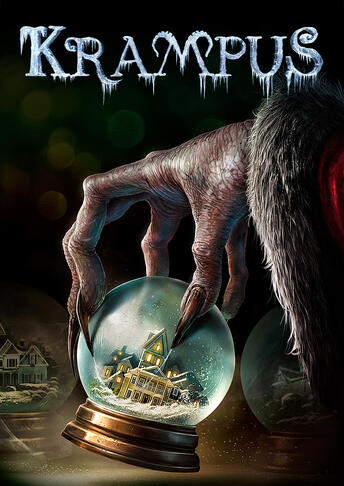
- Krampus (2015): No, Krampus doesn’t just deliver a lump of coal to naughty boys and girls in this film, he’s coming for the dysfunctional Engel family in a bloody fight to survive the night.
- Black Christmas (2019, Netflix): This remake puts a feminist spin on the holiday classic film of the same name to tackle the problematic college culture of Greek life on campus.
- Violent Night (2022, Amazon Prime): Stranger Things’ favorite David Harbour plays Santa Claus in this ultra-violent Christmas film.
- Watch these modern-day adaptations of your favorite childhood scary story series by R.L. Stine:
- The Fear Street film series (2021, Netflix): Set in a 1990s backdrop and going back as far as the 1600s, the three-part film follows teens from “the wrong side of the track” who stumble upon a curse that must be broken to save their small town.
- Goosebumps TV series (2023, Hulu & Disney+): I know, I know, you’re thinking of the bubblegum-flavored Goosebumps of your childhood. This series has been spiced up to engage both youth and adult audiences. There are enough thrills to keep you smiling at your TV and waiting for the next episode to stream.
- Prefer to read your scary stories in print? Check out my stories in the following anthologies:
- Short story “Delphine the Hag” in the Memento Mori: Rest in Peace anthology (CultureCult Press, Nov. 2023)
- Short story in The Sirens Call eZine, “The Babysitter” (Issue #63 Halloween edition, Oct. 2023)
Looking For a Genre Fiction Workshop?
18 May 2016 Leave a comment
in Uncategorized Tags: #amwriting, conference, creative writing, genre, genre fiction, workshop, writers conference, writing, writing workshop
The 2016 In Your Write Mind (IYWM) workshop is hosted by the Writing Popular Fiction program alumni at Seton Hill University in Greensburg, PA. The genre fiction workshop is a unique opportunity for writers to gather together on the beautiful campus in western Pennsylvania and learn from publishing industry professionals and participate in fiction-writing craft sessions.
The workshop is from June 24 – 26, 2016. Guests of honor include:
- Guest Agent Kimberly Brower, The Rebecca Friedman Literary Agency
-
Guest Agent Eric Ruben, The Ruben Agency
-
Guest Editor Diana M. Pho, Tor Books
-
Guest Author Daniel José Older
The special guests will be available for pitch sessions, lead workshops and participate on a panel discussion for Q&A about the publishing world.
The workshop planners are hosting social events after the daily program, including a book signing and reading, and a wine social where workshop attendees are free to dress up in “Trope Your Genre”-themed costumes.
Register today at: https://alumni.setonhill.edu/wpf2016

Book Review: Bram Stoker’s Dracula
01 Nov 2015 Leave a comment
in Uncategorized Tags: Dracula, fiction, horror, reviews, vampires
In the spirit of Halloween weekend, here’s my review of Bram Stoker’s Dracula.
The level of research and detail that went into Stoker’s portrayal of Count Dracula (aka Vlad the Impaler) took several years and it shows. Stoker’s contemporaries, and a few predecessors, had written vampire novels with its own spin, but none were as popular as his. First of all, the story is written as a collection of letters, audio recordings, memos and diary entries giving the reader the vantage point of several characters: Mina, Lucy, Jonathan Harker, Dr. John Seward, and in some small degree, the infamous Dr. Van Helsing. Although I suspect Van Helsing’s character lacked a diary because Stoker probably thought being described through the eyes of his more passive characters added to the mystique of Van Helsing.
Dracula starts out with young Jonathan Harker being invited by the Count to his Castle in Transylvania to be his solicitor (lawyer), and to help him with purchasing property in England. At first the Count is most gracious and spends hours with Jonathan talking to him about his home country. The Count appears as an old aristocratic man who is interested in one last adventure outside of his home country, but later the reader discovers, through Jonathan, that “the old man has grown young!” Unfortunately for Jonathan, things take a turn for the strange when he realizes that all of the doors in the castle are locked, and he is restricted to his bedroom. Jonathan protests and threatens to leave the castle in the middle of the night, but realizes that the pack of wild wolves that howled every night outside the castle were controlled by the Count.
That brings us to Lucy and Mina, Jonathan’s fiancé back in the United Kingdom, who he tries desperately to get a correspondence to once he realizes he is a prisoner in the Count’s castle. Mina and Lucy are ladies-in-waiting. Mina had already been betrothed to Jonathan Harker before his trip east and Lucy, a fiery redhead, is promised to Arthur, but has two other engagement offers from Quincy and Dr. Seward. This completes the full circle of friends and love quadrangles that drive the “B Story” of Dracula. If it weren’t for these people who were loosely tied together by the two women and Dracula, then there wouldn’t be a Van Helsing to speak of.
It is wonderful to see how Stoker weaves these stories together to bring us to the ultimate climax. Interspersed throughout the story is the teased romance (ah ha! This is when chivalry was alive and well), and the strong female voices of Mina and Lucy, was the imminent threat that is Count Dracula who slowly makes his way to London with the intent to stalk the city and feed. Jonathan Harker knows this and leaves the reader on the edge of their seat wondering how they’ll make it back to London to warn everyone of Dracula’s evil plot! Oh, but that’s when one more brief letter to Mina by way of a Romanian nun (oh what surprises the letters hold!) about Jonathan’s terrible “condition” and that she is to come to him at once and be married.
Here’s where the “B story” takes a turn. One of the very important and central characters is infected, but you get insight into the turning through the character’s diary. Dots are connected and the fantastic world of London is turned upside down when all of the characters converge to track down and kill Dracula before he infects anymore. Throw in some choice settings like Dr. Seward’s insane asylum as a “safe haven” for Mina, and creepy graveyards and you’ve got a perfect picture of Gothic London.
It has been more than one hundred years since the initial printing of Dracula in 1897, and the book is still a classic. It has inspired so many vampire spin-off movies and television shows, created a foundation for bestselling authors like Anne Rice and Stephanie Meyer, and gone through several scholarly reviews. It is very rare that genre fiction stands the test of time, but when it does, it’s not because the conventions lasted, it’s because the writing was above average, and the story itself was unmatched.
Stoker’s mastery of story structure — flashing between POV characters via diary entries, letters, memos and newspaper clippings — was flawless. For the reader, the story was like a case that needed to be solved. Yes, yes, the reader knows how the story ends, but they still don’t know how. It’s an emotional roller coaster ride with each character as the reader puts some of the puzzle pieces together. Even though the reader knows that some characters have the answers to the questions in one character’s head, the reader is still waiting to see when they’d find out where the puzzle piece fits: who is talking to the man, Renfield, in the insane asylum? Who is his “master”? Yes, the reader knows it’s Count Dracula in the form of a mist or a pack of rats, but do we know why Renfield eats insects, wants a cat, or knows details about Mina that he shouldn’t know? Hmm….
This is the joy of reading Dracula one hundred years later. It is like unraveling the mystery of the early genre writer and reexamining the beloved horror story to discover insights into the makeup of a bestseller. Stoker will forever stand tall in the hall of both genre and literary fiction.
 Gina N. Anderson