An Interview with Horror Author and Scholar Rhonda Jackson Garcia

I met Rhonda Jackson Garcia during one of our residencies at Seton Hill University in Greensburg, Pennsylvania. We were both in the school’s Writing Popular Fiction low-residency MFA programs. We were part of a delightful collection of misfits who loved reading and writing genre fiction: romance, horror, science fiction, mystery/thriller, and fantasy. We opted out of the literary track offered by many other graduate schools and leaned into our shared interest in genre fiction, which also happens to be popular fiction.

Rhonda and I have stayed in touch over the years, and I’ve seen her writing career evolve to include teaching and academic writing, while also being a full-time wife and mother. That’s not an easy feat. So, I was especially pleased to see her receive the Bram Stoker Award for Superior Achievement in Short Fiction for a story in her latest short story collection.

I recently spoke with Jackson Garcia about her life and career. I hope readers will gain insight into her perspective on the current horror landscape, as well as a sense of the journey that has shaped her as a writer, educator, and scholar.

1. Tell us about your journey as a writer. When did you take it seriously as a career choice? Has your upbringing and/or environment inspired you and your stories?

So, I grew up in a reading household. We didn’t have a lot; we were very poor, but we always seemed to have books everywhere, and it was a long time before I realized that was actually a privilege to have books and to have parents who thought that reading was an important thing to do. Now, my Daddy read a lot of horror and science fiction; Mama read a lot of romance, and being Southern Baptist, they decided we couldn’t read the love stuff, but they didn’t think to hide away the horror and sci-fi stuff.

And so, I’m this little kid reading Stephen King and John Saul and all this stuff that I could hardly understand, but I could understand that there were monsters, and I was for it.

So, I wrote a lot of fan fiction, a lot of boy band fan fiction, back in middle school. I had my first professional sale when I was 17, still in high school, and I finally got hold of those Confessions magazines that Mama didn’t want me to read, so I sold a poem to one of them. My first few sales were for them, so I started out as a romance writer. I had quite a few stories; those were uncredited. They don’t credit those stories, but I’m like, I have copies of the magazines. I really wrote those.

My Mama was also big on having a backup plan. So, she says, “I understand that you may want to write for a living, but you can do this other stuff, learn this other stuff to kind of back up there.” And I don’t think that it was until much later, when I went to Seton Hill, that I thought that it was something that I could do. I mean, I was already a housewife at that time; my kids were younger, and so I was at home with them. I thought, oh my gosh, I would just go crazy if all I’m supposed to do is housework. Is that all I’m supposed to do? Especially once they went to school. I was like, what am I supposed to do? I need something else. It wasn’t until then that I thought this might actually be a thing that you can do. By then, I had self-published my first romance novel, but after that I thought, you don’t have to do that; you can get other people to do those things.

The great thing about Seton Hill was that I could explore both, so I came out with an official thesis that was a romance novel. I learned so much about horror writing and writing in general. I was able to do all of that there. I will forever be grateful to that crew at Seton Hill.

2. We both graduated from Seton Hill University’s Writing Popular Fiction program. You’ve had great success as an author, professor, and academic essayist. Has that program benefited your career? Do you recommend writers go to grad school to advance their writing careers?

I think it depends on what you’re trying to do. For me, I had been writing for a long time. I felt like I’d hit a wall with everything that I knew, so I was limited in what I knew how to do. I learned how to self-publish back when we didn’t have print-on-demand, and it was a real slog; it was terrifying.

It was really, really, really hard for me. So, one reason I wanted to go to grad school was to learn what I didn’t know. And especially Seton Hill, because there was a toss-up between Seton Hill and a grad program in Vermont that I can’t think of right off the top of my head. They were the two I was really looking at that had low-residency programs that would let me be with my family, because I think that’s really important, too.

There was no way that I could spend that kind of time away from home. But I think it depends on what you’re trying to learn. For me, it really filled in those knowledge gaps that I had, and there were some really big gaps, and what I needed was to be surrounded by other working writers so that I could see how this was done. Some of the teachers taught me things that I don’t think they ever knew they were teaching. For instance, Dr. Mike Arnzen was the first time I’d ever seen an actual horror academic.

So, I thought, “This is something that I could do? This is something that people can do?” I don’t know if I thought I could do it at that time, but I met a black horror academic, who was another woman, and I thought, “Oh, we can do that too.” I thought it was just something that Arnzen was just doing, because he just does stuff, but I don’t know that he knew that he was teaching me.

Watching them and the working writers, I thought, “This is something that I could actually do.” Also, I couldn’t teach in college without an MFA, so that was the second reason I went. I thought, “Well, if the writing thing doesn’t take off, at least I can get a job that’ll be flexible. I can still take care of the kids.”

I really think it depends on what you’re trying to do because you don’t technically learn to write in these programs. You learn other skills, and you improve your writing.

3. You write a lot about race, gender, and the way those identities intersect in horror. For horror fans who may not consider these topics when they consume the genre, whether in print or on screen, what takeaways would you like them to understand about your work and how people of color may resonate with what’s out there now?

I just saw a post on Threads by Sadie Hartman, who is known as Mother Horror, and she said something to the effect of – because I do want to credit her for this – she said something to the effect of: People from marginalized groups have a very unique talent for writing about horror. Read their work. I think that probably encapsulates how I feel about this: being a member of several marginalized groups is where those intersections come through. That’s when we talk about what these intersected personalities are, but the fact is, we have these voices that we can use that are hardly ever heard. I’m so excited that when you’re reading the book, it comes across as, for lack of any other word, I usually describe it as my writing as Blackety, black, black, black.

I am purposely writing with a Black audience in mind through the lens of Black experiences, and I think that when people don’t read work from people in marginalized groups or read these kinds of works, they miss out on so much nuance, and they miss out on a lot of ideas about things that they may not have ever considered to be creepy or things that they may not have considered to be scary because we all have monsters, but they are personalized, and we still all have them.

Gina: Oh, I love that. That is so perfect, because people might say, “Why can’t I just enjoy the story?” A lot of people who enjoyed the film Get Out may not acknowledge the fact that the story is about race, and it’s more than just about someone rich taking a Black body. It’s actually a lens, a symbolic representation of real fear. The film Sinners does the same thing. On the surface, it’s a vampire story, but it has so many layers that when African Americans watch it, we automatically get it; we don’t need anybody to tell us what it means. It’s like a lived experience on screen, and I think that’s why we get it. And it’s so important for people when they enjoy it. I feel like there needs to be some education around it. It needs to be some thought, deep thoughts around it. You know what I mean?

Rhonda: Yes, absolutely.

4. I write a lot about TV & film; what are your thoughts on the explosion of the horror genre in the last few years? I’m thinking of films like Sinners and Get Out, which embrace the themes you write about and elevate the conversation around race.

I’m excited about it. I’m hoping, with my fingers crossed, that means there will be more. Because it’s exactly like you say, these are things that are educational in a way for people who don’t understand these experiences, and I think that they’re teaching in such a way that makes people a little more comfortable. I think being able to have different storylines shows that Black experiences can be shown on screen and intertwined with things like monsters and serial killers. [The film] Ma was one of the recent movies that I absolutely loved that showed a side of Black motherhood, and [the film] Us did the same thing in showing what it’s like to be a Black mother.

What is it like to be a mother afraid that your children will be stolen? What is it like to be afraid that your kids will be sexually traumatized at school? How do you keep this from happening?

So yeah, I’m really hoping that means there’s a door open for more of these stories, because there are times when we have to get into the deep nitty-gritty of the stories. Sometimes I’m told that my writing can be a little vicious, and my answer is always, “It’s that way on purpose.” Because sometimes you have to pull the curtain all the way back. You have to actually show the horrors so that people understand that things were happening, especially when we talk about things that happened during slavery. There are always these conversations about, well, it wasn’t that bad. And I’m thinking it wasn’t that bad?

And what about the part where women were bred like animals in order to increase the inventory of slaves, and then you always get this kind of mouth-drop-open type of reaction that goes, “Oh, that happened?” Absolutely, that happened.

So now you understand forced births[GA1] , as we talk about it now, actually had other implications for enslaved women. So sometimes we have to educate, and we have to pull the curtain back on these horrors because for some people, they don’t understand it unless it’s right in their face, and unless it’s something they can actually draw a current comparison to directly.

Gina: Yeah, and I feel like every generation needs to have some story that puts the history of our country into perspective, because it’s not going to hit the same from the folks who grew up and actually had to live it. My mom remembers drinking out of a colored water fountain when she was young. She remembers, but the next generation may not understand that happened within their own mother’s lifetime, and so young stories need to come up at every generation to educate not just African American children, but also other American children who just didn’t grow up getting those stories.

5. What are some of your favorite TV shows & films that you feel are both entertaining and educational or impactful?

Some television shows I just rewatched with my daughters: IT: Welcome to Derry, and I thought that was so wonderful. I’m always looking for Black women in movies and TV series, and the way Ronnie Grogan and Charlotte Hanlon were drawn as characters was so wonderful. They were so feisty; they did not back down, even in the face of this murderous clown entity. Plus, it was set in the 60s, and it talks about things like how girls were supposed to behave, and how Ronnie was not; that’s why she ended up in detention. And how Charlotte came up from the South, bringing her activism to the North, because a lot of people don’t realize activism was still necessary. I think that it does a really good job of explaining those kinds of dynamics.

I also think that Lovecraft Country – it’s a couple of years old now, but it was a treasure trove of education and of Black female experiences, like, oh my goodness. I think about how it even talked about gender exploration in different ways. And so that’s really great.

I’m really big on mini-series. So, shows like The Fall of the House of Usher. I loved that it talked about family curses, families, and legacies, and how the rest of the family has to deal with it when leaders of families make promises and deals, and how that trickles down and affects the rest of the family. Also, I love Mike Flanagan and everything that he does. I think that he has a way of guiding these Black female characters that I can relate to.

And I’m thinking, “Gosh, this White director guy is doing all of this. This is great.” I mean, of course you have to give credit to the actors themselves, but the direction that they’re getting is thoughtful. This is nuanced. This isn’t a stereotype, and I really love his work.

6. Can you envision any of your stories on the screen? If so, which ones and why?

I feel like there are a lot, but right off the top of my head, I am absolutely in love with this historical horror story I wrote called “Betina.” It’s sort of an homage to Edgar Alan Poe’s story, “Berenice,” except that, of course, this is a Black woman; she is betrothed to her Black cousin, who owns slaves; her family owns slaves, and so she has a hard time with that. But she’s also finding herself upset that she’s being forced to marry; she’s being forced to carry children. And she’s like, I’m not going to ever do that, so I’m going to find a way to make sure that doesn’t happen.

What makes me want to see this story on screen is that we need stories where women can think their way out of these troubling situations. She figures out that her betrothed isn’t quite all there, and her life is in danger, so she decides to take matters into her own hands. I think that cinematically, historical horror stories are just so beautiful.

Gina: Yes, it is. I love it when people make horror anthologies because they include so many different stories from different communities, and that sounds like it would be great in a horror anthology. They should do more of that because you get a variety.

Rhonda: I hope so. When they did that first Horror Noire anthology, I was hoping it would be a series. I was hoping it would be a series because I thought, okay, it’s go time. Surely we can pitch after I talk to my agent because I have a few of them. But then we didn’t hear anything else after. I thought that was perfect, though I don’t understand why it hasn’t continued. For me, I have to learn the whole business. That’s how I write my stories. They tend to be very cinematic because they play that way in my head, so that’s the way they come out, you know?

Gina: For sure. I was just thinking about those creepy little children with white hair and pale eyes in one of your stories in your latest book.

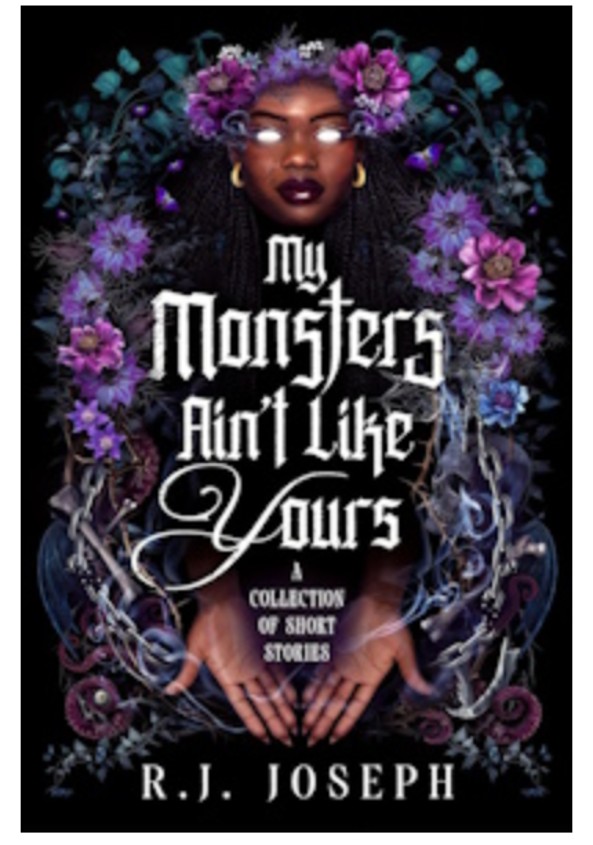
7. Now, let’s talk about your latest book, My Monsters Ain’t Like Yours, a collection of your short horror stories. It’s a fantastic read, and one of the stories, “Inheritance,” garnered you a Bram Stoker’s Award for Superior Achievement in Short Fiction. Congratulations! What makes this collection so special for you?

This one is special because when I wrote my first collection, that was one of those “let’s just see what happens kind of things.” It was pretty well received, and I thought, oh, so you mean that I can just do that? My whole writing career is full of revelations like that where I just go: “You mean I can just do that?” I can write these stories, and I don’t need permission. So, this one is special because I feel like I really leaned into what I understand now: my own writing voice.

I had a lot more confidence with this one. I felt sure in writing it and saying, “This is the way the stories need to be told.” I felt less trepidation about moving the stories in and out. I was pretty sure which ones needed to go into the collection, which ones needed to be withheld, and so there was a lot more confidence in this one. When you do a thing the first time, it’s a learning experience; you go through the learning curve. Then you come out the next time and put bumper pads on the sharp parts of the curve where you bumped your head last time. Then you come up with something better from what you learned from all these experiences. So, I think that’s what makes this one special. It’s just the confidence that I had in [myself]. This is something that I do; I do it well, and okay, let’s just put it out there kind of thing.

Gina: And I felt like you retained the Black female voice in a lot of the characters, but it was also literary, so we understood the voice, but it was a literary style of writing.

Rhonda: Blackness is not a monolith, and have they not met other women? I have a different experience of Blackness.

8. Fun Question: What other genre is your guilty pleasure? Mine is paranormal romance, and I’m not ashamed.

I love romance. I always consider myself as having one foot still in romancelandia, even though I haven’t read romance in years. The dark hole of horror just kind of sucked me in, and I’m staying so busy, which is a wonderful thing, but romance, oh my gosh, I keep saying one day I’ll get back to it. So, when I can pick up something to read, if it’s not a horror, it’s probably going to be romance.

Gina: Do you have an interest in a particular romance subgenre?

Rhonda: Oh, my gosh, I love paranormal romance. I’m totally down with Beauty and the Beast. I also love the whole idea of shapeshifters. And when you think about Dracula and some of the takes that they’ve done, I’m thinking about Coppalla’s take. So romantic and sexy, so I love the monster romances.

My husband listens to these books, and it shocked me the first time I heard him listening. I was like, “Is that werewolf romance?” He said, “I guess that’s what it is, but it’s the exciting stuff.” But that’s romance, honey. I love having to explain to him why this is the alpha [in a werewolf romance]. And what does he have to do to maintain his position?

Gina: He enjoyed it?

Rhonda: Yes, yes, it’s the werewolves. They love it.  My husband is a truck driver, so he listens to these, and they’re his audiobooks.

Gina: So you’ve gotten him into it.

Rhonda: I’m just glad that he is listening to something, and that’s great because I need him to be paying attention.

9. Do you have some advice to share with new writers or people who want to take the next step toward fulfilling their dreams of becoming an author?

I do. I would say to just do it. The time is going to pass regardless. We’ll be 10 years from now whether you do it or not, so you may as well do it. I think I was 40 when I finished the program at Seton Hill, and I was always worried about whether or not I waited too late, but I realized that, for me, that was the time. That was when I was supposed to do it, but I know so many times we put things off because we think, “Oh, I’m busy, I have to do this now.” No, if you have an inkling to write and it does not leave you, you should do it. Just lean all the way in because none of the opportunities will open up until you actually step out there where they are.

Gina: Yeah, and rejection sometimes is just another way to keep honing your craft, or it just means that wasn’t the right audience for your work.

Rhonda: Exactly, so you just keep it moving. And you go to the next thing.
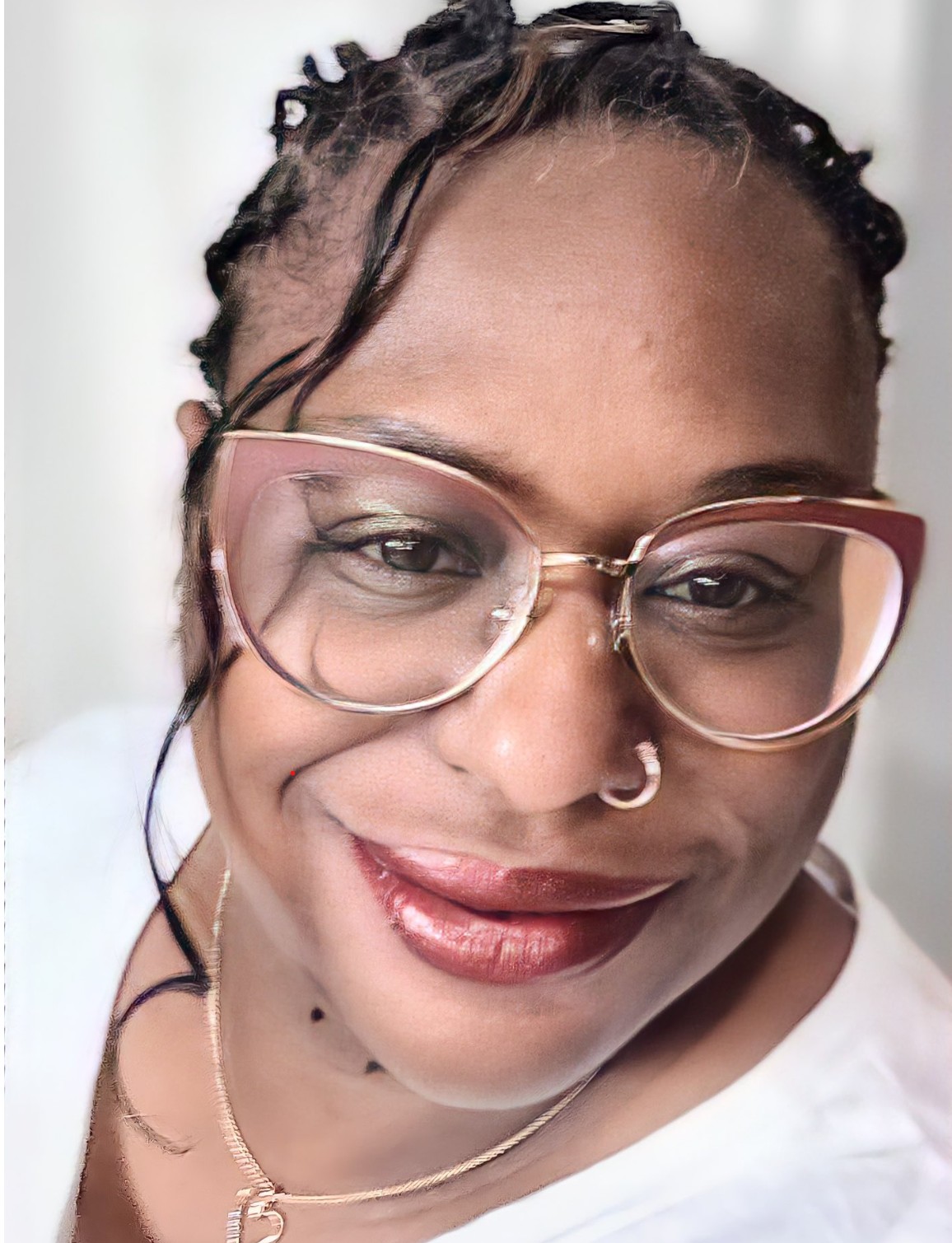
10. What are some other ways that readers/horror fans can learn more about your work? Are there any other upcoming projects that you’re allowed to share?

Sure, okay, so I will be at Long Dark House (a bookstore in Alexandria, Virginia) next month on the 21st doing an author signing. I’m really excited about that because they’re new, and I’m ready to go see what they have going on over there. That will be my last event for the year. Of course, when the year starts, I’ll talk about those things, but I haven’t started thinking about 2027 just yet. There’s stuff on my calendar; I’m just getting through this year.

I’m super excited about one project I’m working on that will be out in Q3 next year: my first nonfiction book, Mothers, Lovers and Others. It’s an examination of Black women in horror films. So, this whole thing has been leading toward that: talking about Black women in film, Black women in horror, and it’ll be published by Creature Publishing, and we are drafting as we speak.

Gina: I love it. We need more of our voices in this space to have these discussions, because it’s just the reality. This is reality. We have the voices we need to put it in academic work so others can study it. It’s not just part of discourse; it’s academic work people can cite.

I’m so proud of you and all that you’ve accomplished.

Rhonda: Oh, thank you so much, Gina. I appreciate it.

To learn more about Rhonda Jackson Garcia’s work, visit her website: https://rhondajacksonjoseph.com/bio/ , where you can also find links to purchase her books and merchandise.

Jackson Garcia will also be a guest editor for the Still Life Fiction “Winter Horrorland” issue. The submission window is open until December 14, 2026.
Still Life Fiction: Open for Submissions

Still Life Fiction is now accepting submissions for Winter Horrorland, our upcoming winter issue celebrating horror, dark fiction, fantasy, and experimental prose.

During winter, the days are shorter and the long nights find us huddled around fireplaces, sharing warm meals, and telling ghost stories. What tales would you tell that keep readers up at night? What strange and unsettling things lurk in your Winter Horrorland?

Calling all horror, dark fiction, fantasy, and literary writers! Send us your creepy psychological thrillers, twisted takes on Christmas, Hanukkah or another winter holiday, gothic and apocalyptic tales, ghost stories, folklore, dark fairytales, or genre mashups (sci-fi horror, dark romance, and more).

The setting should be winter or a winter holiday, including stories set in a tropical climate. We welcome stories that explore winter as a setting, atmosphere, cultural tradition, or the supernatural.

Our next issue, Winter Horrorland, is open for interpretation. Surprise us. Disturb us. Make us afraid to turn out the lights.

We’re delighted to welcome Rhonda Jackson Garcia, award-winning horror author and scholar, as our guest editor. Stay tuned for an interview with Jackson Garcia in the near future.

Submission window: November 9 – December 14, 2026 (deadline at 3 am Eastern).

Word count: Up to 5,000 words

Read our submission guidelines and send us your stories: https://still-life-fiction.com/submission-guidelines/

What strange things lurk in your Winter Horrorland? We can’t wait to find out!

New Stories on Still Life Fiction

I’m excited to share new stories now available at Still Life Fiction, the online genre fiction publication I founded and edit.

Our latest issue features two stories under the Freedom theme. Each story offers something different based on theme, and I’m thrilled that these writers are a part of the inaugural issue of Still Life Fiction.

Read the Stories

Junkyard Music

by John T. Biggs

A teenager working in his father’s business tells the story of the mysterious Candyman, whose hidden talent as a piano player reveals more to him than meets the eye in Junkyard Music. Category: Literary

Read the story

Escaping Shalott

by Kaitlyn Downing

A castle-bound royal longs to escape the confines of the palace, but it comes with a price in Escaping Shalott. Category: Fantasy

Read the story

Here is your invitation to submit your stories in the next issue. The current submission theme is Masks. What do we hide behind the masks we wear?

For our next themed issue, we’re looking for stories about masks. They can be literal or metaphorical, familiar or strange, human or monstrous. Give us horror, dark fantasy, gothic fiction, supernatural tales, psychological suspense, or anything that explores faces we show the world and what lies beneath them. Maybe the mask protects its wearer. Maybe it hides a secret. Maybe, once it goes on, it can’t come off.

Your story doesn’t have to be about Halloween. We’re interested in the darkness, mystery, and transformation that a mask can represent.

All genres are welcome, including literary and cross-genre fiction.

Submission window: August 8 – September 20, 2026 (deadline at 3 am Eastern). Selected works will be published in our Fall issue around Halloween and will be promoted across our platforms.

Check out the Guidelines page for more details: https://still-life-fiction.com/submission-guidelines/

Quarterfinalist: Outstanding Screenplays Shorts Competition

I’m excited to share that my short film screenplay, Delphine the Hag, has advanced to the Quarterfinals of the Outstanding Screenplays Shorts Competition!

Delphine the Hag is a supernatural horror short, inspired by a character from my The Bryant Women universe, and is from the perspective of the “villain” and her desire to infiltrate a magical family’s bloodline.

Advancing to the quarterfinals is an encouraging milestone, and I’m grateful to the judges for recognizing the script. I’ll be working on updates to compete for the semi-finals, so fingers crossed!

Thanks to everyone who has supported my writing journey. I’ll share more updates as they come!

Another Story Published and Other News

I’m excited to share that another one of my short fiction stories has been published! I’m proud to be a contributor to Slash Magazine with my psychological horror short story, “We Could Have Been More Violent.”

Here’s a teaser:

“The bell rang on the door of Eva’s Psychic Healing Shop.

Half of her expected to see Charlie; the other half wished he’d never return.”

You can read the full story here.

Still Life Fiction Update

The submission window for my genre fiction online publication, Still Life Fiction, is now closed. Thank you to everyone who submitted their work. Stay tuned for updates on the selected stories and the magazine’s upcoming inaugural issue.

Stay Connected

Don’t forget to Follow, Like, and Share. You can find links to all my social media and other platforms on the Find Me @ page.

DEADLINE EXTENDED: Still Life Fiction

The deadline to submit your short or flash fiction to Still Life Fiction has been extended to June 17, 2026. This gives writers who saw the call for submissions via Duotrope additional time to submit.

About Still Life Fiction

Inspired by the still-life art form, the publication focuses on the elements of storytelling that endure: themes, characters, and ideas that linger long after the page is closed.

Still Life Fiction is a digital publication, with plans for an annual print edition featuring selected stories at the end of the calendar year. I’m starting simply, with a streamlined website, so that I can invest more time and energy where it matters most: reading and recognizing stories that resonate with me and with readers. 

Our first submission window will run April 17 – June 17, 2026, with the inaugural theme: Freedom. 

Please explore the site and share your thoughts in the comments. I would be thrilled to read your work, so start thinking about stories you want to submit.

Visit Still Life Fiction at: https://still-life-fiction.com/

It’s December and I Still Think Sinners is the Best Movie of the Year

Okay, okay, I haven’t seen all of the films that are making the rounds during this year’s awards season yet, but I’ve seen quite a few of the top contenders from the IMDb Best Movies of 2025 list. Of the commercially successful films on the list, I still need to see One Battle After Another, F1 (starring Brad Pitt), and Wicked: For Good.

I still feel strongly that Sinners is the top film of 2025. It not only served horror fans a unique setting in the Mississippi Delta instead of New Orleans, but also gave us some new vampire lore to drool over (Irish vamp Remmick FTW!). The film also introduced or further endeared us to the blues and a fresh new voice in Miles Caton. And through that lens, director Ryan Coogler also educated audiences about the horrors of the Jim Crow era. 

Why is Sinners the Best?

There are so many personal reasons that I connected with this film as both a horror fan and a person of color with roots from the American South, but at the end of the day, Ryan Coogler’s direction, Michael B. Jordan as the lead playing gangster twins, and an outstanding supporting cast tipped the scales for me. 

The technical aspects of the film were also impressive, which the film industry is appreciating this awards season. Coogler’s cinematographer, Autumn Durald Arkapaw, became the first female director of photography to shoot any movie on large format IMAX film. Coogler also used “halo cameras” to film Jordan as twins, among many other techniques he used in this film.

There were also some really cool in-universe newspaper clippings revealing some backstory you can find by clicking through the Sinners Official Playlist on Spotify or by reading Gizmodo’s article. Some of the incidents include the fallout between Irish and Italian gangsters that we learn the Twins are running from in the film, and a mysterious Irish ship that washed ashore in Boston with blood-soaked decks and no one aboard.

Cultural Inclusivity

In this film, we see Native American vampire hunters, the Choctaw Nation, hunt Remmick in the beginning of the film. This short bit of screen time was so popular among fans that they started asking for a spinoff film.

Remmick is an Irish vampire who claims to Smoke that he resonates with African Americans’ suffering in order to get into the juke joint, but due to his vampire nature, it is revealed that he sought to siphon Sammie’s talent. He also leads the new vampires in a rendition of the Irish folktale song, “The Rocky Road to Dublin,” a surprisingly upbeat song and dance sequence.   

The Chinese American characters, Grace and Bo, are grocers who serve both the white and Black communities, and long-time friends of the Twins. Grace also joins the fight with the survivors of the vampire attack on the juke joint after her beloved husband is turned. 

All of these communities actually coexisted in the Mississippi Delta.

Finally, some people may not have been familiar with the concept of “passing” in the Black community prior to seeing the movie. Mary is technically considered Black in the Jim Crow laws, but because she is white-presenting, Stack believed that it was safer for her to continue passing and to have a white husband. If you’re interested in learning more about miscegenation (intermarriage between racial groups), visit the Americans All history page. 

In summary, Sinners ticked many boxes for me. I feel like the more people went down the rabbit hole of lore about this movie, the more they learned about life for people of color (Blacks, Chinese, Native Americans, and Irish folks by way of Remmick) during the Jim Crow South, the real horror for Black Americans. Not only that, but we got some really cool vampire lore out of it. How many genre films can you truly say accomplishes so much while also entertaining fans of horror? Not many.

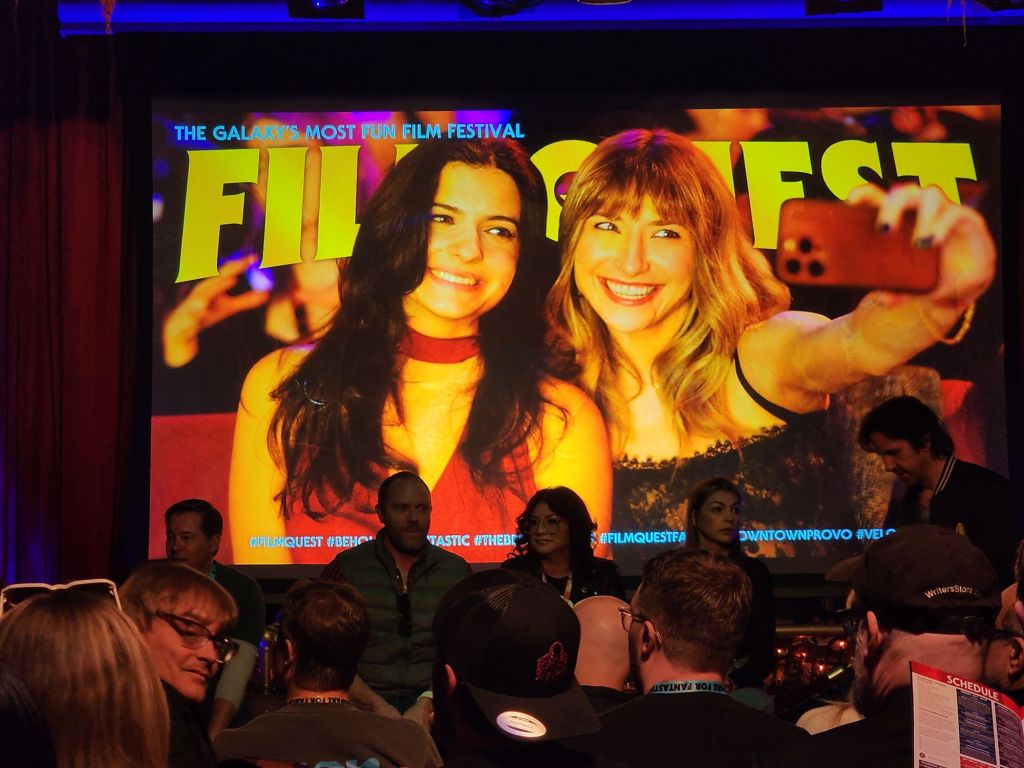
FilmQuest Festival: How It Went

Professional industry panel discusses film distribution and acquisition.

This week, I went to the FilmQuest Festival in Provo, Utah. It’s the first exclusively genre film festival I’ve attended (although I’ve been to plenty of Cons and other film fests). I was a judge for the feature films, but the festival had so many other categories, from shorts to music videos.

Directors of the sci-fi film block during Q&A.

I was only in attendance for the last three days of the conference, but the workshops I attended about distribution and acquisition, and producing and directing were very insightful about the business side of the film industry. If you’re doing TV, then this festival is not for you as there isn’t very much representation there, which makes sense.

Jon Fitzgerald, founder of Cause Pictures, shares his years of knowledge about film distribution with the audience.

Some of my favorite takeaways:

Film distribution models and platforms for indie films, such as Gathr, Kinema, Bingeable, just to name a few. This is a much better avenue for film distribution than theatrical releases, however, Fathom is looking for more indie films.

Marketing: The most important part of getting your films out there is to make sure that your marketing materials are visually appealing, especially your trailer and poster. Social media marketing is key as well. Comps are important for marketing/pitching. Make sure you find your trailer moments. Sometimes that’s all streaming viewers need to watch.

Perhaps, the most informative panel for me was about acquisitions. Here are those takeaways:

X-Factors: Horror has a built-in audience and it’s still a growing genre, but don’t count on that lasting forever. However, Slashers are back, and short films, in general, can move to feature development.

Movies on the streaming platforms need to perform, meaning audiences have to watch until the end to trigger the ads that generate revenue.

Reviews matter. Make a compelling story that generates word-of-mouth recommendations.

Things to Consider: 1) Make the film with the audience in mind. 2) Stick to one genre during your pitches. In between genres are tough to sell. Understand what you’re making and why. 3) It’s fine to take feedback from your film fest screenings and make changes. It makes the film even better when you try to sell later.

Know your genre and make sure the film opening sets that expectation.

Trends:

Creature features

Sci-fi has more legs in overseas territories

Small and big budget films are selling, but the small films need to sell well to get pre-buy offers.

Overseas markets:

No beheading scenes in horror films in the Middle East.

Family-friendly and adventure films sell really well overseas because they’re good for all ages.

Selling films to airlines add up in sales. Don’t leave this out of your sales strategy.

Horror still sells well, but no ghost stories in some territories.

American movies are not selling well in these territories as the focus is on their domestic film industries: France, Japan, South Korea, to name a few.

Drug use, nudity, foul language, and suicide scenes in films are a no-no in many overseas territories.

AI will make translation in foreign territories much easier, but bad news for voice actors who dub films.

I met a few new friends along the way.

Besides learning about the business side of filmmaking, attending this genre-focused film festival brought back memories of the vibe from my creative writing MFA program at Seton Hill University . I love hanging out with genre nerds like me! While my stay was brief, I did manage to meet a few cool people at the festival. Perhaps even future film collaborators.

If you’re looking for a fun film festival that specializes in genre films, definitely check this one out.

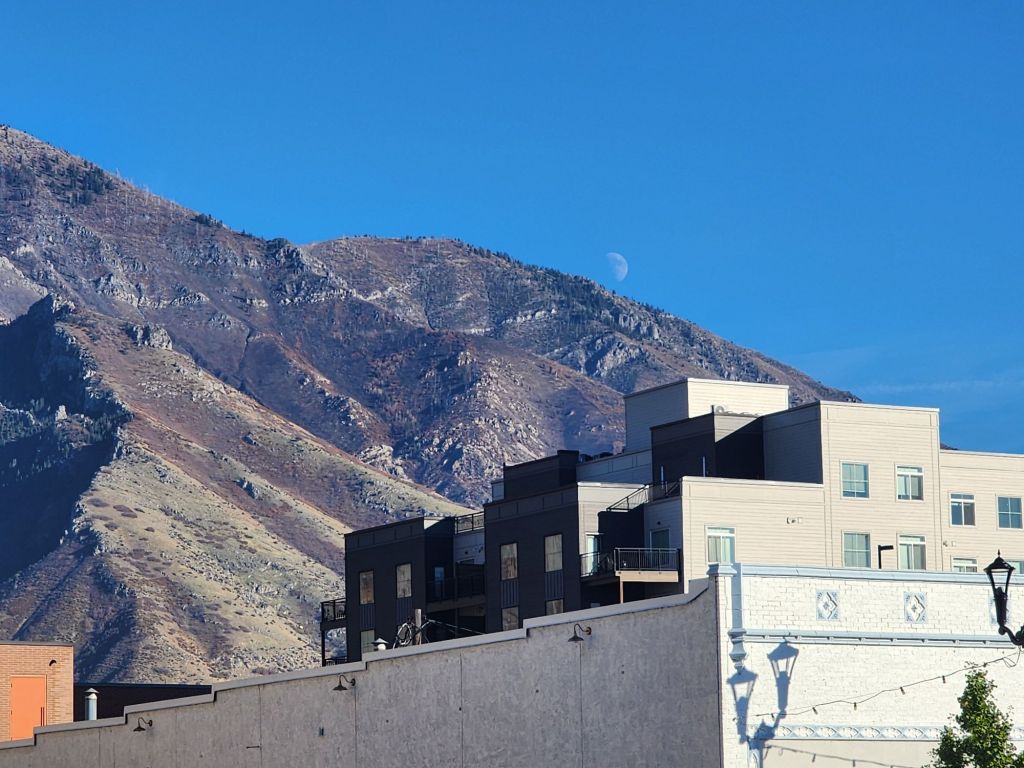
Beautiful backdrop of the mountains (and the moon) in Provo, Utah.

I am a Judge for the FilmQuest Film Festival!

FilmQuest Film Festival official poster in collaboration with Bloody Disgusting. Artwork by @Tentaclesandteeth.

I just finished watching 17 feature films over a period of two weeks for this year’s FilmQuest Film Festival that will be held in Provo, Utah from Oct. 23-Nov. 1, 2025. 

This was my first time being a judge for a film festival, so I wasn’t sure how many films I could review in such a short time, but I made it through. 

As a longtime lover of genre films, this was a dream come true. I enjoy watching and writing genre TV, films, and fiction, so this experience gave me greater insight into the next steps after you’ve completed the project. For some filmmakers, that might look like festival submission, distribution, audience reception, and awards! Just being nominated must be something special for the film’s crew, cast, and producers.

FilmQuest is one of the top-rated genre film festivals in the world and boasts the distinction of being the #1 best reviewed film festival on FilmFreeway. If I were an independent genre filmmaker, this festival would be one of the main stops for me because I watched films that had large budgets, and some that were clearly made with heart and passion on small budgets. In this festival, they were all on the same playing field. 

Some of the genre films that I reviewed ranged from comedy musicals to gory horror to thrillers. I viewed them all and I can truly say that each one stood out in their own way. There were a handful of thought-provoking international films as well, both in English and other languages. 

Not only did I rank the films, but also nominations for other categories, such as: Best Actress, Actor, Sound, Direction, etc. I actually found this the most difficult to rank these categories because some of the nominees were good for different reasons. 

Some of the features that have stuck with me stood out for their creative story structure and pacing, out of this world plots, and some took visual storytelling to the next level. I was very pleasantly surprised by one of the comedies that made me laugh out loud (which is hard to do) and one that had a Tarantino flavor to it. I can definitely see a few of them hitting the theaters over the next year or on a streaming channel. They were just that good. 

You can find a link to all of the features and short films (which I did not judge), and other category nominees here. The festival is on its 12th run, and based on the notable actors that I saw in some of the films, you may see some familiar faces if you attend in person. Tickets are on sale on the FilmFreeway and festival website as of the writing of this blog post, but they’re selling out fast. 

Check out the 2025 Schedule to see which days you’d like to attend if you’re like me and can’t attend all of the days. There is also an option to view the films virtually if you want to get ahead of the festival and see what all of the films are about. 

It’s been such an honor to review these films and I hope that this is the first of many more opportunities in the future. Future filmmakers, screenwriters, and film lovers can participate in film festivals in other ways like volunteering. I’d love to learn more about how others stay connected to the film community.

Full disclosure, I submitted my own screenplay to this festival, but it was not selected. Being a judge was a great cancellation prize.

Halloween Hidden Gems: Underrated Movies & TV Shows

It’s Halloween season again and I’m sifting through the titles so you don’t have to. Check out some of these Halloween hidden gems that you should check out by category.

Elevated Horror

Gretel & Hansel (2020): You may have missed this one because it came out during the pandemic, but it definitely deserves a hidden gem nod. Directed by quirky horror director, Oz Perkins (Longlegs and The Monkey), this film gives me the vibes of the 2015 film The Witch: atmospheric, dark and moody, oppressive family life, and eldest daughter energy. If The Witch is categorized as elevated horror, this one reaches that level, but relies more on style, composition, and pregnant pauses to increase the tension. 

The film is self-aware enough to stick to the well-trodden beats of its roots, but bold enough to ante up the slow-burn creepiness. I do see Perkins as experimenting with the atmosphere and pacing of the film, but hardcore horror fans might be put off by the scarcity of classic conventions of the horror genre. Magic and supernatural unease are present, but you might miss it between the charm of the witch and the wide-eyed awe of the protagonist, Gretel. The film is, after all, based on a classic German fairytale, and given that the original stories were dark, it was common for those times. 

Despite the setting’s era, Gretel & Hansel’s peril reflects the dark times right now. Where children aren’t safe at school or to play in the streets in the daylight, much less at night. And these two siblings certainly weren’t safe even under the roof of their own mother’s home in the first place. It felt less like a cautionary tale and more like an exploration of Gretel’s own power that she longs to wield, but burdened by her station in life and the care for her little brother. 

Last but not least, Alice Krige is terrifying as the witch, Holda. Whoever styled her costume and makeup did an excellent job of blurring the line between charming grandmother and evil crone. I highly recommend the film if you’re looking for a moody horror flick. 

Bonus: Pay close attention to the music in the film. It really complements the mood and would be a great addition to a Halloween gathering as spooky ambient music.

Here are some other films to check out from the horror genre mashup movies: 

Psychological Horror

Heretic (2024): I was immediately intrigued by the premise of this story and the fact that Hugh Grant plays the lead in a genre I’m not sure I’ve seen him in before. It drew me in even more because I dived in without any kind of prep, reviews, or hype. The story goes: Two young female missionaries visit the house of a hermit (Grant). Eager to discuss their faith with the skeptical man, they soon realize that their visit takes an unsettling turn. It’s a great example of “contained horror,” as the setting is the home they visit and there are only three main characters.  

Foreign

The Oddity (2024, Ireland): Instead of writing a review so that you can enjoy the ending, here is my version of the logline instead: A blind medium haunted by grief over her twin sister’s murder, revisits the crime scene with her golem, only to discover the truth was right under her nose. Go in blind (wink) and you won’t regret it.

Horror TV

Van Helsing (2016-2021): The show follows Vanessa Van Helsing, an enigmatic patient who wakes up from a years-long coma in the middle of a post-apocalyptic world overrun by vampires. She’s got one main mission: to find her daughter who was kidnapped before she fell into a coma. The survivors have a different plan for her: using her unique blood qualities that turn vampires back into humans. Kelly Overton does an amazing job of giving the female descendent of Abraham Van Helsing her own agency. She’s badass and she kicks vampire butt, but she’s also loyal and she’s got a heart of gold for those who follow her. Overton’s Van Helsing navigates betrayals, vengeance, but most importantly, her struggles to hold up the mantle of being humanity’s last hope. 

Black Summer (2019-2021, Netflix): I know, we’ve seen every kind of zombie concept there is, but this Z Nation spinoff is well worth the watch. And don’t worry if you haven’t seen that show because I haven’t either and I still enjoyed it. The show follows the protagonist, Rose, and her journey to find her daughter in a brutal world of a zombie apocalypse. The series starts out slow with Rose evolving from a helpless victim to a certified survivor and eventually zombie slayer. Stick with it through the second season, because that’s when it gets really good. The show is less about the zombies they’re facing and more about the inhumane humans Rose frequently rolls with to achieve her mission of finding her daughter. Not enough people watched it, but this one is definitely a hidden gem as far as TV goes. 

Lovecraft Country (2020, HBO): Don’t let the title fool you. While the TV series borrows some of Lovecraft’s monsters, the setting is very much a historical fantasy against the backdrop of racism of the deep south. The TV series follows a group of young Chicagoans on a roadtrip in search of the protagonist’s father who has gone missing in Jim Crow South. For those who have seen Green Book, you’ve seen a glimpse into the perils of traveling while black in the South at that time. But throw in a little magic, mystery, monsters, and mayhem, and you’ve got a recipe for success. I personally love how casually some of the monsters, human and inhuman, are introduced. Some episodes explore different aspects of the genre through the lens of racism: body horror, magical inheritance, possession, and even dabbles in afrofuturism. This show is worth the wild ride. You’ll never know quite where you’ll be taken next in each episode, but it’s interesting to see how they all come together in the end. Season one left off with the potential for more, but the show was cancelled. That’s okay because it absolutely works as a standalone season.  

Share your Halloween hidden gems in the comments.