I Accidentally Created a Fictional Universe

What Writing My Own Stories Revealed About Creative Worldbuilding

Now that fans of the hit IT: Welcome to Derry TV show are discovering the ties between Stephen King’s various TV and film adaptations of his novels, I think I have a deeper insight into how writers build interconnected story universes. 

I wrote a short story called Delphine the Hag and the main character was part of this family of supernaturally gifted women. I also wrote a short story called Healing Magick with another main character who went to her grandmother’s home for healing. I never sold that story, but it ended up giving me the idea for merging all of the worlds together for a TV pilot. 

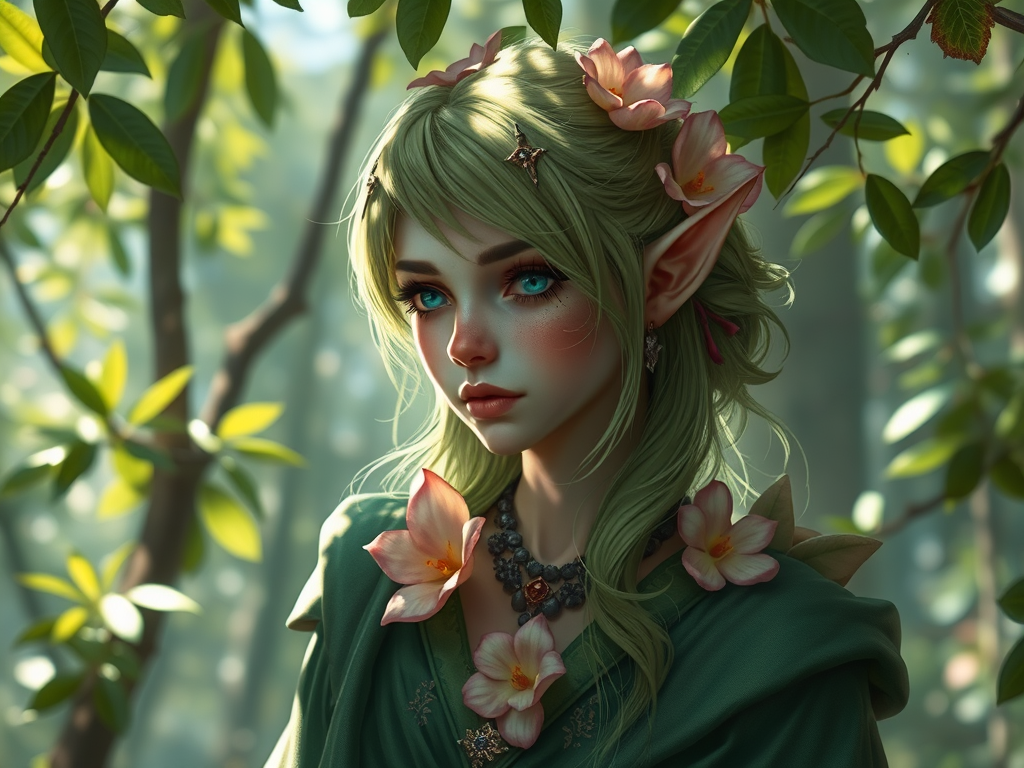
AI-generated TV series poster

I thought, what if the young woman in Delphine the Hag and the woman in Healing Magick were related and their grandmother was looking to pass down her magic to one of her granddaughters? I started pulling together all kinds of details about how the magic worked, who the villains were, what the family dynamics were, and ended up with a supernatural TV drama, The Bryant Women

Needless to say, I freaking loved dreaming up my series bible for this TV pilot. I didn’t want to spread it out in separate short stories, so I merged it all together. And I keep wanting to go back to that well and think of other spinoff ideas, but I’m not there yet.

So, for me, I can see how Stephen King, who published The Shining first in 1977, then IT (1986), and Doctor Sleep (2013), finds it endlessly fascinating to keep wanting to go back to that world he created. I totally get it.

And in preparing to write this blog post, I thought about all of the other book series that I love. This is what drives fans wild, seeing how they can piece together Easter eggs from one book to another. You saw that happen when book fans patiently answered questions from TV-first fans about Stephen King’s books that were the source materials for IT: Welcome to Derry. It was an amazing one-week post-mortem of who, what, when, and why.

In addition to Stephen King, I also really enjoy book series by other fiction authors:

  • George R.R. Martin’s Game of Thrones fantasy universe
  • N.K. Jemisin is a prolific speculative fiction author and she’s written multiple book series. My favorites are: The Broken Earth, The Inheritance Trilogy, and the Dreamblood series.
  • Kresley Cole’s paranormal romance book series, Immortals After Dark, and her young adult fantasy series, The Arcana Chronicles
  • Laini Taylor’s Daughter of Smoke and Bone fantasy series
  • Karen Marie Moning fantasy romance Fever series set in Ireland
  • Daniel Jose Older is a Latinx author who has a few young adult fantasy series under his belt that you should check out. He also wrote the novelization of a few Star Wars stories.
  • Finally, although he doesn’t write any universes, this author has written really good science fiction novels about living in space. I can’t forget Andy Weir’s The Martian.

In addition to being a film buff (I did not go to film school, but I have an MFA in Creative Writing), I’m also a huge book nerd. Definitely find me on Goodreads.com and friend me there. I listen to more audiobooks these days, but I also indulge in turning pages every now and then.

Eventually, I’m going to write book reviews on this site, but I’m not there yet. I want to reserve my time for writing about writing and actually getting my projects out there first.

Anyway, please feel free to post your book recommendations in the comments.
FilmQuest Festival: How It Went

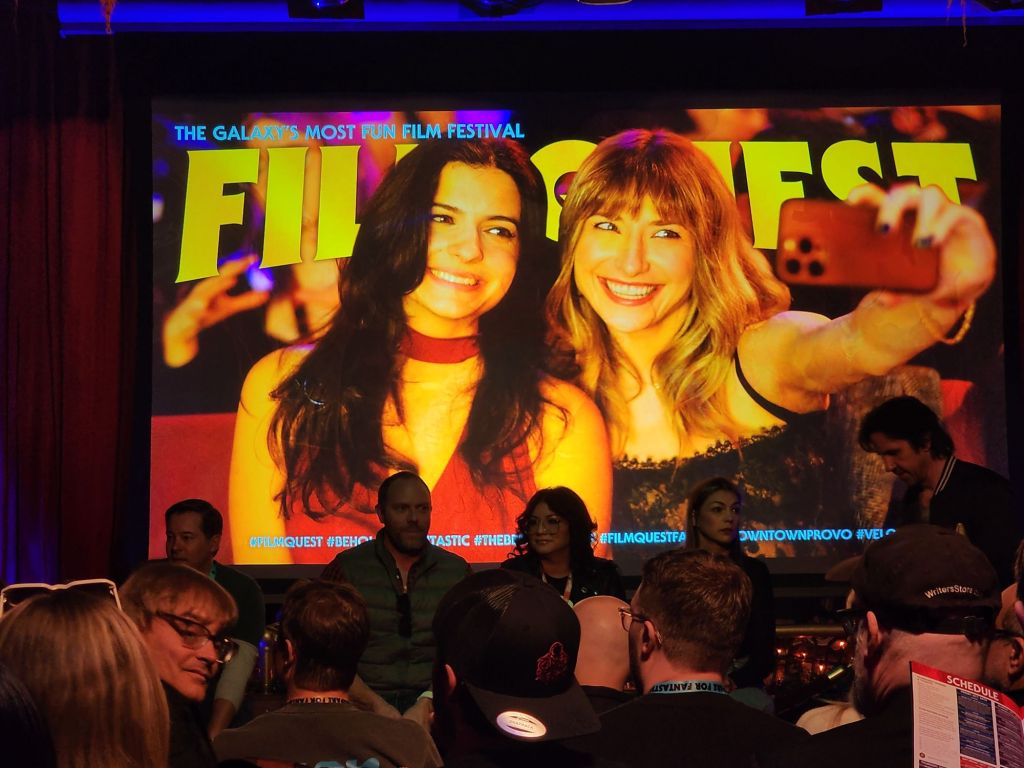
Professional industry panel discusses film distribution and acquisition.

This week, I went to the FilmQuest Festival in Provo, Utah. It’s the first exclusively genre film festival I’ve attended (although I’ve been to plenty of Cons and other film fests). I was a judge for the feature films, but the festival had so many other categories, from shorts to music videos.

Directors of the sci-fi film block during Q&A.

I was only in attendance for the last three days of the conference, but the workshops I attended about distribution and acquisition, and producing and directing were very insightful about the business side of the film industry. If you’re doing TV, then this festival is not for you as there isn’t very much representation there, which makes sense.

Jon Fitzgerald, founder of Cause Pictures, shares his years of knowledge about film distribution with the audience.

Some of my favorite takeaways:

Film distribution models and platforms for indie films, such as Gathr, Kinema, Bingeable, just to name a few. This is a much better avenue for film distribution than theatrical releases, however, Fathom is looking for more indie films.

Marketing: The most important part of getting your films out there is to make sure that your marketing materials are visually appealing, especially your trailer and poster. Social media marketing is key as well. Comps are important for marketing/pitching. Make sure you find your trailer moments. Sometimes that’s all streaming viewers need to watch.

Perhaps, the most informative panel for me was about acquisitions. Here are those takeaways:

X-Factors: Horror has a built-in audience and it’s still a growing genre, but don’t count on that lasting forever. However, Slashers are back, and short films, in general, can move to feature development.

Movies on the streaming platforms need to perform, meaning audiences have to watch until the end to trigger the ads that generate revenue.

Reviews matter. Make a compelling story that generates word-of-mouth recommendations.

Things to Consider: 1) Make the film with the audience in mind. 2) Stick to one genre during your pitches. In between genres are tough to sell. Understand what you’re making and why. 3) It’s fine to take feedback from your film fest screenings and make changes. It makes the film even better when you try to sell later.

Know your genre and make sure the film opening sets that expectation.

Trends:

Creature features

Sci-fi has more legs in overseas territories

Small and big budget films are selling, but the small films need to sell well to get pre-buy offers.

Overseas markets:

No beheading scenes in horror films in the Middle East.

Family-friendly and adventure films sell really well overseas because they’re good for all ages.

Selling films to airlines add up in sales. Don’t leave this out of your sales strategy.

Horror still sells well, but no ghost stories in some territories.

American movies are not selling well in these territories as the focus is on their domestic film industries: France, Japan, South Korea, to name a few.

Drug use, nudity, foul language, and suicide scenes in films are a no-no in many overseas territories.

AI will make translation in foreign territories much easier, but bad news for voice actors who dub films.

I met a few new friends along the way.

Besides learning about the business side of filmmaking, attending this genre-focused film festival brought back memories of the vibe from my creative writing MFA program at Seton Hill University . I love hanging out with genre nerds like me! While my stay was brief, I did manage to meet a few cool people at the festival. Perhaps even future film collaborators.

If you’re looking for a fun film festival that specializes in genre films, definitely check this one out.

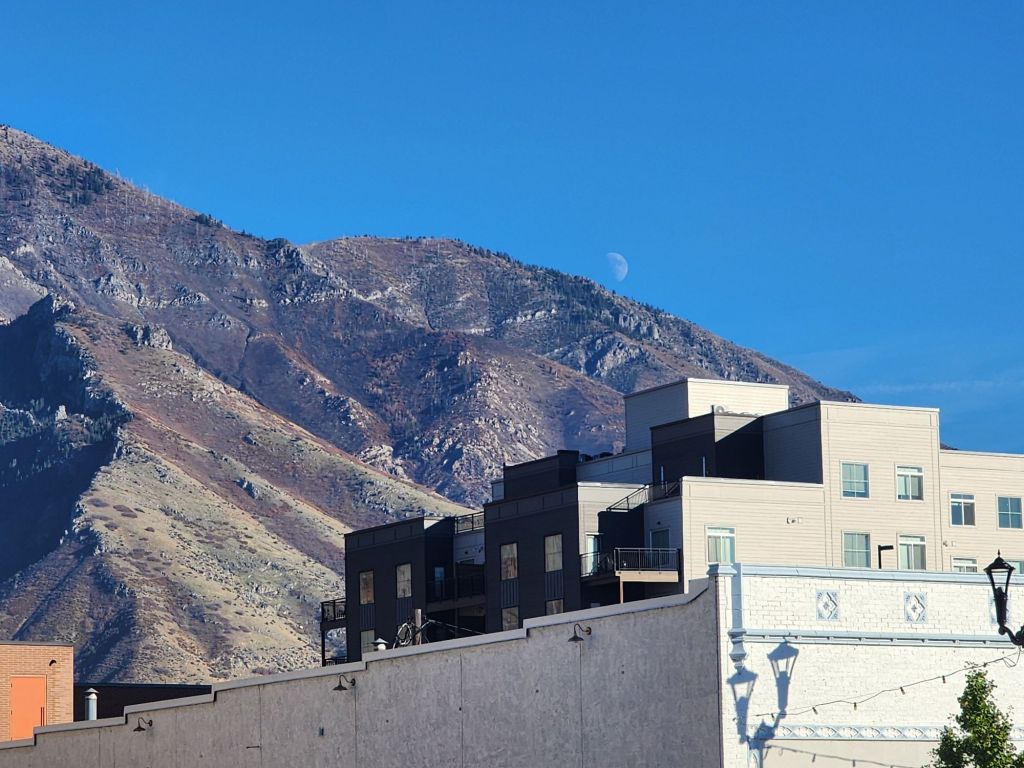
Beautiful backdrop of the mountains (and the moon) in Provo, Utah.

Why Are So Many Films Being Rebooted?

Ahh, nostalgia. In Japanese, the word is “natsukashii” – a bittersweet longing for something familiar. The feeling of well-worn boots signaling autumn or rewatching your favorite 80s action flick. These feelings, now more than ever, have inspired a wave of TV and film remakes from the 80s, 90s, and early 2000s set to hit screens over the next year. 

The Nostalgia Factor

My guess? People are longing for the days when politics weren’t so front and center, diving deeper into their pathos of distraction and farther away from reality that seems increasingly overwhelming. The target audience seems to be Gen X, Xennials, and Millennials because those are the shows and films being greenlit today.

But these aren’t just remakes, they’re remakes of the remakes or reimaginings of familiar material. Many are even based on classic novels or earlier TV shows, doubling down on the built-in audiences that come with beloved characters.

Maybe this is part of a collective desire to return to a time when technology was exciting but not all-consuming. When we still had one foot in the analog world that felt simpler. When kids played safely outside, read comic books, and played board games instead of being glued to video games and social media.

What’s Being Remade

But I digress. Here’s a list of TV and film remakes, long-awaited sequels, and reimaginings making a comeback:

  • Tron (1982, 2010, and now 2025)
  • Gremlins 3 (sequel to the beloved ‘80/’90s franchise)
  • Freakier Friday (sequel to the 2003 film)
  • I Know What You Did Last Summer (a sequel to the 1997 original based on a book; the franchise also spawned a 2020s TV series)
  • War of the Worlds (1953, 2005 and 2025, just to name a few)
  • Blade (a reboot of the Wesley Snipes-led vampire hunter films. I’m not mad at this one at all.)
  • Fantastic Four (2005, 2015 and now 2025)
  • IT (the Stephen King horror classic has already been rebooted, but a new TV series is on the way)

Why Now?

So what’s driving this flood of reboots and remakes? What does it say about the TV and film industry as a whole? 

According to a 2024 Nielsen report, 62% of streaming viewers rewatch older content at least monthly. In 2022, over 50% of major studio releases were sequels, reboots, or part of an existing franchise.

As household budgets tighten, it might feel safer to produce films with built-in audiences to help ensure people return to the theaters. Maybe these generations crave the comfort of films they already know.

I don’t have the answers, but I wonder: Has anyone in the industry admitted to using this strategy? 

If it is indeed intentional, then the jury is still out on whether it’s going to be a winning strategy. We’ve seen some remakes flop, while others succeed.

Drop your thoughts in the comments.

Fantasy Magazine is Back!

And just like that, Fantasy magazine is back online and it looks like they’ll be taking submissions this until January 29, 2025. That means that you have a few more days to submit. What’s great about Fantasy magazine is that they are a paying publication at 10 cents/word for short fiction and $50 for original poetry. Take a look at the full submission guidelines and send your stories right away!