Welcome Back to Derry: How the ‘IT’ Prequel Series Unravels Derry’s Dark Origins 

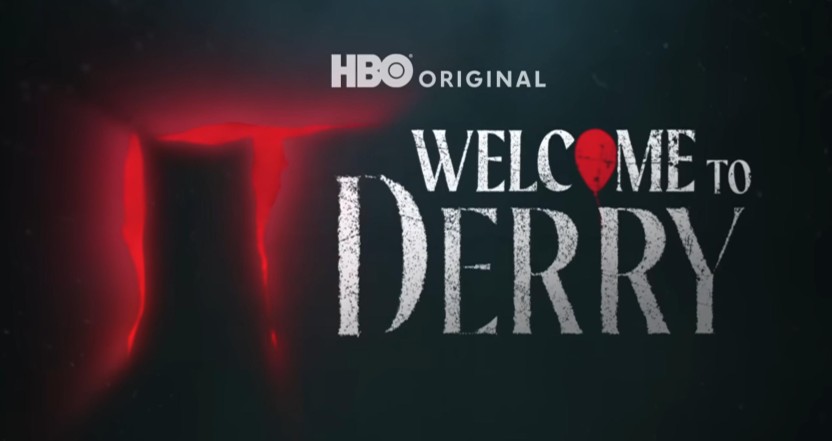
I had to give myself a few days to process the IT: Welcome to Derry TV series finale on HBOMax. As a fan of Stephen King and his Shining universe (The Shining, IT films, and Doctor Sleep), I was super excited to see that there would be a TV series so that we could spend more time exploring some of the backstory. 

I was pleasantly surprised that Bill Skarsgard came back to reprise his role as Pennywise. I’m not sure the show would survive without his quirky yet terrifying rendition of the this cosmic entity. I also thought that the TV series was a great way to answer fans’ questions about how the Shining works, learn more about Dick Holleronn’s past, and BONUS: see the ancestors of the kids who gave Pennywise an eternal sleep… or so we hope is the case.

Here’s my take on some of the elements of the series that really worked for me:

Time as a Setting

The show could’ve started anywhere on Pennywise’s 27-year cycle timeline, but they chose 1962, a period when America was undergoing significant turmoil. The Civil Rights Movement was in full swing, massive changes in society were met with racial violence, and so many other “fearful” things were happening. Pennywise feeds on fear and it makes sense that he would’ve enjoyed this era.

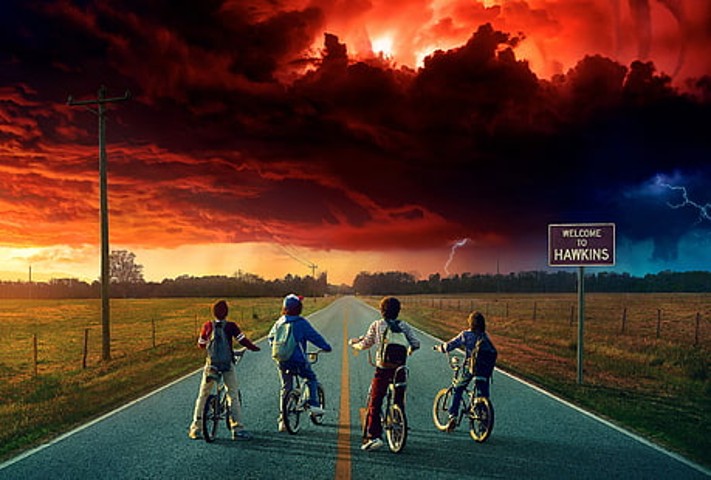
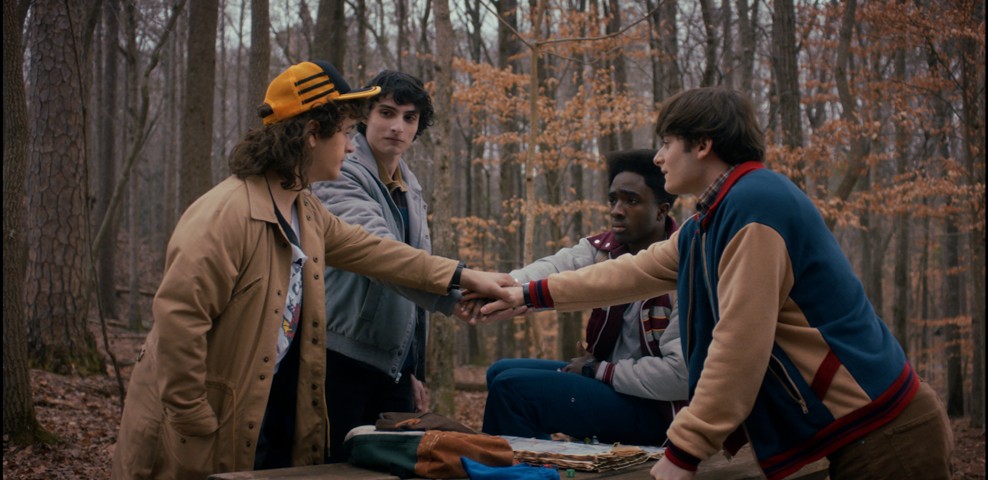
Welcome to Derry follows the 1962 version of The Losers Club (more on that later): Lily, Ronnie, Will, Marge and Rich. The catalyst of the show begins when a young boy disappears and his friends are violently murdered by a mutant baby in a movie theater while searching for him.  Police suspect Ronnie’s father, a Black man, of the murders, but Lily and Ronnie were there and they know that something more supernatural happened. But they can’t tell the adults because who would believe them?

Throughout the season, Ronnie’s dad is captured, escapes, and then he’s found again by a group of vigilante white male citizens of Derry that are convinced that he murdered the town’s kids. The penultimate episode features the inevitable clash between this group and Black military servicemen enjoying themselves in “The Black Spot,” a local juke joint. Pennywise shows up in the middle of the skirmish and has his big “meal” of fear after The Black Spot is set on fire with dozens of people and The Losers inside. 

Luckily, Hallorann is there and a benevolent Native American warrior spirit helps them escape the blaze but not before Pennywise gorges himself on the fear of those trying to survive the fire and the bullets. By the end of this episode, you can see exactly why the 60s was the perfect time for this New England town’s reckoning with Pennywise’s return. 

Origin Stories Beget Origin Stories

  • The TV series allowed the writers to explore some of the origins of The Losers featured in the reboot of the IT films (Chapters One and Two). By the last episode, we learn that Will is Mike Hanlon’s father; Marge (a later member of the 1962 Losers Club) is Richie Tozier’s mother and that he’s also named after Rich “the Knight” Santos; and that Ingrid is the old woman in the rebooted films who attacks adult Beverly Marsh in the IT: Chapter Two film.
  • The show also features an origin story of the Native American that trapped Pennywise on the outskirts of the town of Derry, and the weapons that could destroy him or slow him down. The shards or “pillars” come from his original cosmic star that he fell to Earth in when he first landed in what is now Derry.
  • We actually get to see just how powerful Dick Hallarann’s psychic abilities are (who we were introduced to back in The Shining film), and how much control he can exert over Pennywise through his psychic manipulation, even if for a short time. Many fans have asked for a full-on Hallorann spinoff series.
  • Welcome to Derry also shows us the original Pennywise aka Bob Gray, a clown whose identity he took on because he saw how kids (his favorite victims) responded to him like a rock star. The series has been renewed for two more seasons and it will go back further in time to 1935 and then 1908, each time when Pennywise awakens from his 27-year slumber.
  • We also learn that Pennywise perceives time differently than us mortals and he sometimes gets confused between the past, present, and future. Series showrunner, Andy Muschietti, alludes to this in interviews, so I look forward to that being a part of the lore when they go back in time in the next two seasons. 

They really packed so much into this eight-episode season, but it was very satisfying for fans of the books and the TV/film universe. We got to see how interconnected Stephen King’s universe is, while also diving deep into how a previous generation has battled him. The ending of the season was very satisfying and throughout the whole series, I felt deeply for those children and their secret battle to stay safe and sane, while the adults struggled to process who or what  Pennywise was. In the end, the kids saved the day and it’s sad to know that their offspring will face his evil once again in a future 27-year cycle. 

It’s December and I Still Think Sinners is the Best Movie of the Year

Okay, okay, I haven’t seen all of the films that are making the rounds during this year’s awards season yet, but I’ve seen quite a few of the top contenders from the IMDb Best Movies of 2025 list. Of the commercially successful films on the list, I still need to see One Battle After Another, F1 (starring Brad Pitt), and Wicked: For Good.

I still feel strongly that Sinners is the top film of 2025. It not only served horror fans a unique setting in the Mississippi Delta instead of New Orleans, but also gave us some new vampire lore to drool over (Irish vamp Remmick FTW!). The film also introduced or further endeared us to the blues and a fresh new voice in Miles Caton. And through that lens, director Ryan Coogler also educated audiences about the horrors of the Jim Crow era. 

Why is Sinners the Best?

There are so many personal reasons that I connected with this film as both a horror fan and a person of color with roots from the American South, but at the end of the day, Ryan Coogler’s direction, Michael B. Jordan as the lead playing gangster twins, and an outstanding supporting cast tipped the scales for me. 

The technical aspects of the film were also impressive, which the film industry is appreciating this awards season. Coogler’s cinematographer, Autumn Durald Arkapaw, became the first female director of photography to shoot any movie on large format IMAX film. Coogler also used “halo cameras” to film Jordan as twins, among many other techniques he used in this film.

There were also some really cool in-universe newspaper clippings revealing some backstory you can find by clicking through the Sinners Official Playlist on Spotify or by reading Gizmodo’s article. Some of the incidents include the fallout between Irish and Italian gangsters that we learn the Twins are running from in the film, and a mysterious Irish ship that washed ashore in Boston with blood-soaked decks and no one aboard.

Cultural Inclusivity

In this film, we see Native American vampire hunters, the Choctaw Nation, hunt Remmick in the beginning of the film. This short bit of screen time was so popular among fans that they started asking for a spinoff film.

Remmick is an Irish vampire who claims to Smoke that he resonates with African Americans’ suffering in order to get into the juke joint, but due to his vampire nature, it is revealed that he sought to siphon Sammie’s talent. He also leads the new vampires in a rendition of the Irish folktale song, “The Rocky Road to Dublin,” a surprisingly upbeat song and dance sequence.   

The Chinese American characters, Grace and Bo, are grocers who serve both the white and Black communities, and long-time friends of the Twins. Grace also joins the fight with the survivors of the vampire attack on the juke joint after her beloved husband is turned. 

All of these communities actually coexisted in the Mississippi Delta.

Finally, some people may not have been familiar with the concept of “passing” in the Black community prior to seeing the movie. Mary is technically considered Black in the Jim Crow laws, but because she is white-presenting, Stack believed that it was safer for her to continue passing and to have a white husband. If you’re interested in learning more about miscegenation (intermarriage between racial groups), visit the Americans All history page

In summary, Sinners ticked many boxes for me. I feel like the more people went down the rabbit hole of lore about this movie, the more they learned about life for people of color (Blacks, Chinese, Native Americans, and Irish folks by way of Remmick) during the Jim Crow South, the real horror for Black Americans. Not only that, but we got some really cool vampire lore out of it. How many genre films can you truly say accomplishes so much while also entertaining fans of horror? Not many.

FilmQuest Festival: How It Went

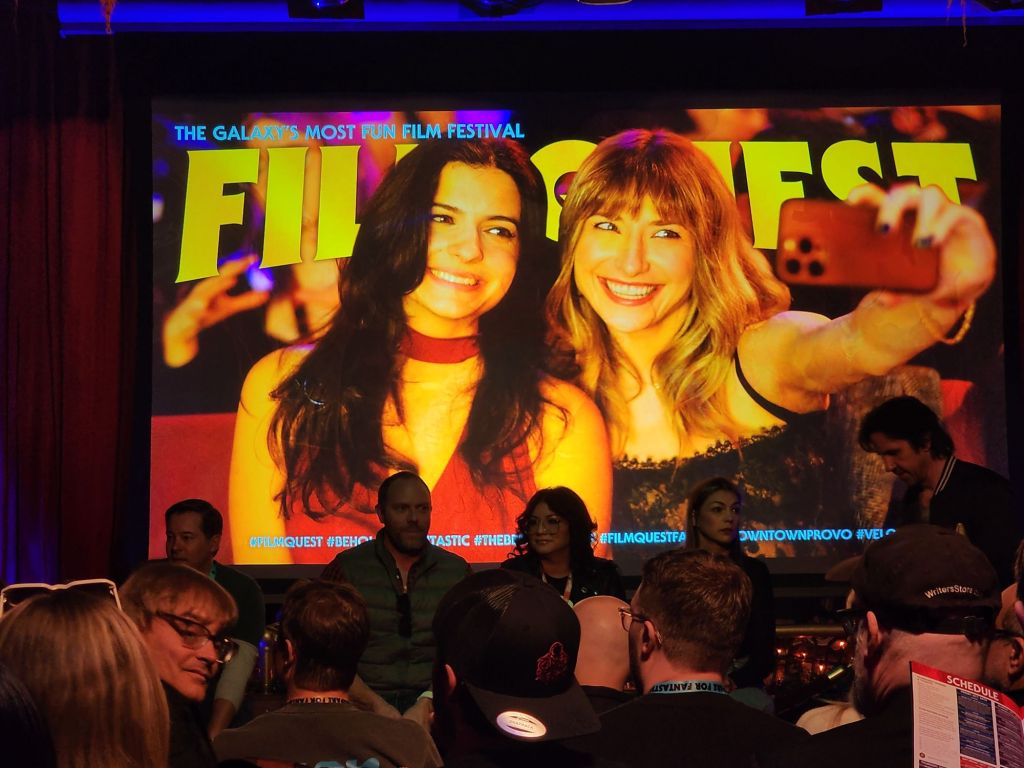
Professional industry panel discusses film distribution and acquisition.

This week, I went to the FilmQuest Festival in Provo, Utah. It’s the first exclusively genre film festival I’ve attended (although I’ve been to plenty of Cons and other film fests). I was a judge for the feature films, but the festival had so many other categories, from shorts to music videos.

Directors of the sci-fi film block during Q&A.

I was only in attendance for the last three days of the conference, but the workshops I attended about distribution and acquisition, and producing and directing were very insightful about the business side of the film industry. If you’re doing TV, then this festival is not for you as there isn’t very much representation there, which makes sense.

Jon Fitzgerald, founder of Cause Pictures, shares his years of knowledge about film distribution with the audience.

Some of my favorite takeaways:

Film distribution models and platforms for indie films, such as Gathr, Kinema, Bingeable, just to name a few. This is a much better avenue for film distribution than theatrical releases, however, Fathom is looking for more indie films.

Marketing: The most important part of getting your films out there is to make sure that your marketing materials are visually appealing, especially your trailer and poster. Social media marketing is key as well. Comps are important for marketing/pitching. Make sure you find your trailer moments. Sometimes that’s all streaming viewers need to watch.

Perhaps, the most informative panel for me was about acquisitions. Here are those takeaways:

X-Factors: Horror has a built-in audience and it’s still a growing genre, but don’t count on that lasting forever. However, Slashers are back, and short films, in general, can move to feature development.

Movies on the streaming platforms need to perform, meaning audiences have to watch until the end to trigger the ads that generate revenue.

Reviews matter. Make a compelling story that generates word-of-mouth recommendations.

Things to Consider: 1) Make the film with the audience in mind. 2) Stick to one genre during your pitches. In between genres are tough to sell. Understand what you’re making and why. 3) It’s fine to take feedback from your film fest screenings and make changes. It makes the film even better when you try to sell later.

Know your genre and make sure the film opening sets that expectation.

Trends:

Creature features

Sci-fi has more legs in overseas territories

Small and big budget films are selling, but the small films need to sell well to get pre-buy offers.

Overseas markets:

No beheading scenes in horror films in the Middle East.

Family-friendly and adventure films sell really well overseas because they’re good for all ages.

Selling films to airlines add up in sales. Don’t leave this out of your sales strategy.

Horror still sells well, but no ghost stories in some territories.

American movies are not selling well in these territories as the focus is on their domestic film industries: France, Japan, South Korea, to name a few.

Drug use, nudity, foul language, and suicide scenes in films are a no-no in many overseas territories.

AI will make translation in foreign territories much easier, but bad news for voice actors who dub films.

I met a few new friends along the way.

Besides learning about the business side of filmmaking, attending this genre-focused film festival brought back memories of the vibe from my creative writing MFA program at Seton Hill University . I love hanging out with genre nerds like me! While my stay was brief, I did manage to meet a few cool people at the festival. Perhaps even future film collaborators.

If you’re looking for a fun film festival that specializes in genre films, definitely check this one out.

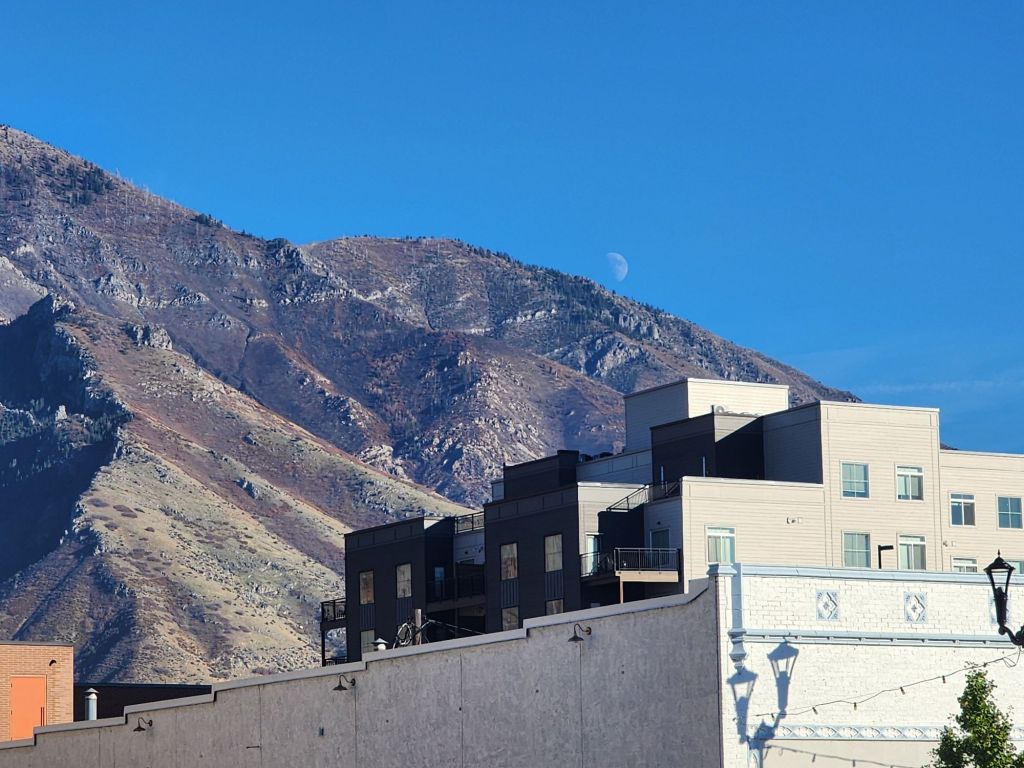
Beautiful backdrop of the mountains (and the moon) in Provo, Utah.

I am a Judge for the FilmQuest Film Festival!

FilmQuest Film Festival official poster in collaboration with Bloody Disgusting. Artwork by @Tentaclesandteeth.

I just finished watching 17 feature films over a period of two weeks for this year’s FilmQuest Film Festival that will be held in Provo, Utah from Oct. 23-Nov. 1, 2025. 

This was my first time being a judge for a film festival, so I wasn’t sure how many films I could review in such a short time, but I made it through. 

As a longtime lover of genre films, this was a dream come true. I enjoy watching and writing genre TV, films, and fiction, so this experience gave me greater insight into the next steps after you’ve completed the project. For some filmmakers, that might look like festival submission, distribution, audience reception, and awards! Just being nominated must be something special for the film’s crew, cast, and producers.

FilmQuest is one of the top-rated genre film festivals in the world and boasts the distinction of being the #1 best reviewed film festival on FilmFreeway. If I were an independent genre filmmaker, this festival would be one of the main stops for me because I watched films that had large budgets, and some that were clearly made with heart and passion on small budgets. In this festival, they were all on the same playing field. 

Some of the genre films that I reviewed ranged from comedy musicals to gory horror to thrillers. I viewed them all and I can truly say that each one stood out in their own way. There were a handful of thought-provoking international films as well, both in English and other languages. 

Not only did I rank the films, but also nominations for other categories, such as: Best Actress, Actor, Sound, Direction, etc. I actually found this the most difficult to rank these categories because some of the nominees were good for different reasons. 

Some of the features that have stuck with me stood out for their creative story structure and pacing, out of this world plots, and some took visual storytelling to the next level. I was very pleasantly surprised by one of the comedies that made me laugh out loud (which is hard to do) and one that had a Tarantino flavor to it. I can definitely see a few of them hitting the theaters over the next year or on a streaming channel. They were just that good. 

You can find a link to all of the features and short films (which I did not judge), and other category nominees here. The festival is on its 12th run, and based on the notable actors that I saw in some of the films, you may see some familiar faces if you attend in person. Tickets are on sale on the FilmFreeway and festival website as of the writing of this blog post, but they’re selling out fast. 

Check out the 2025 Schedule to see which days you’d like to attend if you’re like me and can’t attend all of the days. There is also an option to view the films virtually if you want to get ahead of the festival and see what all of the films are about. 

It’s been such an honor to review these films and I hope that this is the first of many more opportunities in the future. Future filmmakers, screenwriters, and film lovers can participate in film festivals in other ways like volunteering. I’d love to learn more about how others stay connected to the film community.

Full disclosure, I submitted my own screenplay to this festival, but it was not selected. Being a judge was a great cancellation prize.

Monster: The Ed Gein Story

Spoilers Ahead

This past weekend, I binged all of the Monster: The Ed Gein Story episodes on Netflix. It was a tough watch, but I powered through them to see how his nefarious deeds were depicted and whether the series could offer any new perspective on his life. 

I have not been able to watch the first season that focused on Jeffrey Dahmer because I was sure it would give me nightmares afterward, which is hard to do based on my love of horror and dark fiction. So, on to my take on the show without spoiling too much.

I found episodes 1 through 6 to be very solid. We got the setup of Gein’s life while his mother was alive. He was an emotionally stunted and abused man who lived under the thumb of his ultra-religious mother who despised both women and men. In her mind, she was protecting him from the outside world by forbidding him from fraternizing with others and dating women. This, unfortunately, did not prepare him for life after her death.

So, it was no surprise that when she passed away, he could not handle being on his own without his mother’s guidance. Shortly following her funeral, he dug up a corpse from a graveyard and dressed it to resemble his mother. There were other women that he dug up and used their skin and other body parts to fashion gruesome furniture pieces like lampshades, chairs, and a skull as a bowl. Yikes!

The series explores a still unconfirmed romantic interest based on a real-life woman who claimed that she and the serial killer were close. In real life, she eventually pulled back her statements and claimed that she barely knew him, most likely to avoid being directly tied to Gein’s crimes. 

And the show delves into Gein’s imagined connections to his idols. He may have been influenced to commit some acts after reading a comic book/graphic novel about Ilse Koch, a real Nazi woman from World War II, that was accused of inflicting pain and horror on Jews and of creating equally gruesome furniture pieces similar to Gein. The show also weaved a transgender celebrity, Christine Jorgensen, into the story to reflect some of Gein’s delusions, but there is no evidence to support his fascination with her in real life. 

In the end, Gein only admitted to killing two women and digging up the bodies of several more. He’s long been rumored to have murdered his brother, a couple of hunters, and a young girl. None of these accusations led to criminal charges, but nonetheless, the series dramatizes these claims that were never proven. 

Perhaps, the most interesting B story in the first half of the series was the time spent on the Alfred Hitchcock/Anthony Perkins collaboration on Psycho, which was purposely influenced by Gein’s case. The show spent quality time on the development of the film as well as insight into Perkins’ own thoughts around his sexuality and the infamous gay therapy he went through to stay in business in Hollywood. It was a part of film history that I was not familiar with and I appreciated the side quest from the show’s heavy theme.

Warning: Creative License

Episodes 7 and 8 are where I couldn’t quite follow where the story was going. The show alludes to other serial killers that were influenced by Gein, however, in my light research, I haven’t found that to be the case. 

One particular serial killer on the show, Richard Speck, was featured as being a fan of Gein, but I found it to be a diversion, particularly the amount of minutes of screen time spent on a gratuitous prison sex scene. Whether this was one of Gein’s delusions of grandeur in real life, I’m not sure, but it was not necessarily needed to send home the message that he influenced many different aspects of society, including pop culture.

Then there was a mini crossover with Netflix’s other (now canceled) TV show about serial killers, Mindhunters, that featured another serial killer and the famed FBI agents who interviewed him. I found this thread to be more interesting to pull on if it were true, but it was not the case in reality that they met with Gein.

The last 20 minutes or so of episode 8 was filler. I actually would’ve preferred the final episode to focus on his trial where he was found to be legally insane, and to dive deeper into the psychology of Gein. Instead, we got some fictional delusions of Gein prior to his passing, which made me think it was meant to endear the audience to him. But if the purpose of the anthology is to answer the question if serial killers are born or nurtured, then it may have missed the mark. 

My take is that Ed Gein’s life was a case study in the psychological profile of how a killer was made. How someone left to their own devices without the ability to manage their emotions and mental illness (in Gein’s case, schizophrenia) becomes more than just their personal problem, but society’s problem if they become violent. Not that not everyone who is schizophrenic is violent, but it’s important to look into how these sorts of violent criminals can be detected earlier in life. 

Version 1.0.0

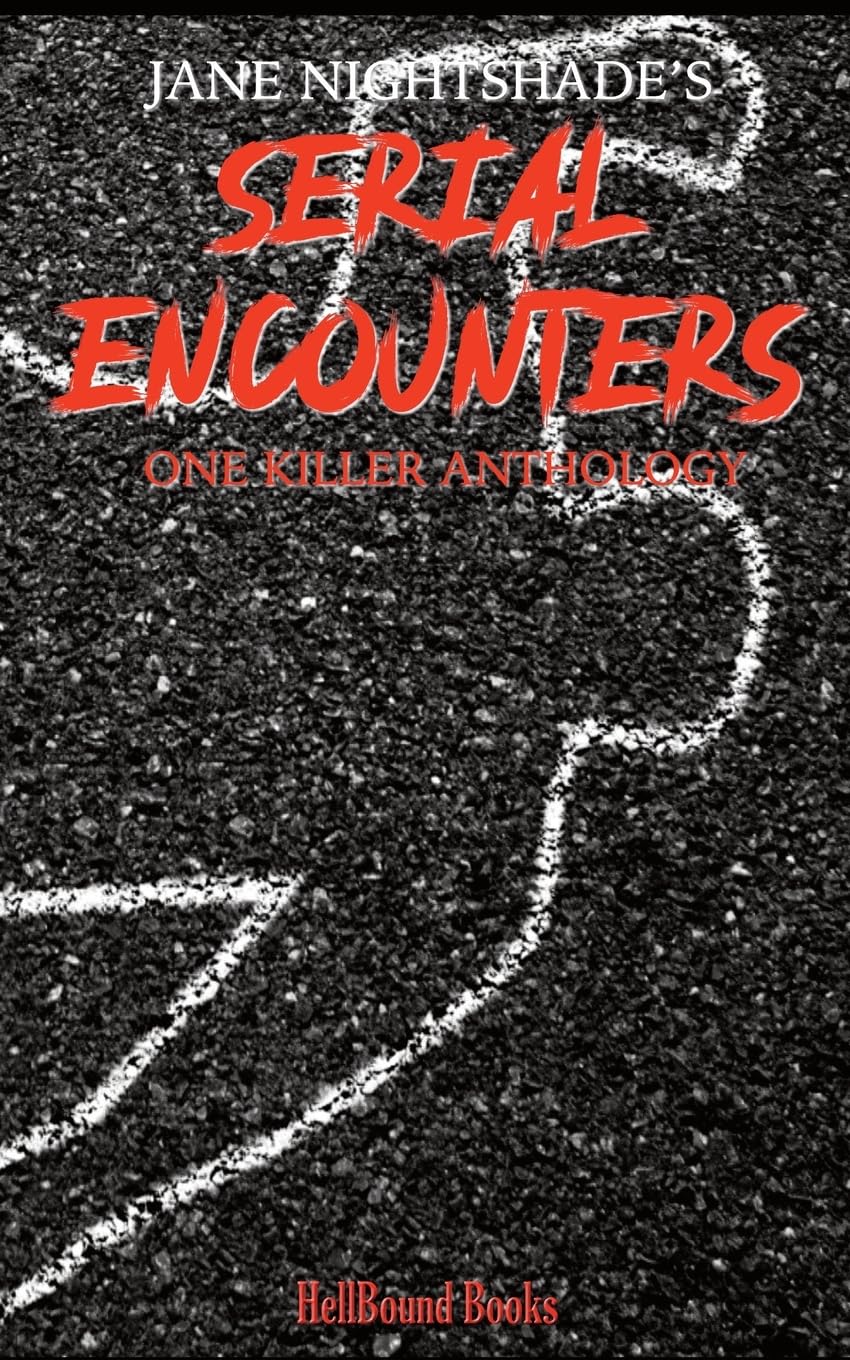
I wrote this review because I wanted to watch the show and see if the screenwriter came to similar conclusions about Gein’s disposition as I did when I wrote a short story called “The Time Killer” in the horror anthology, Jane Nightshade’s Serial Encounters.

I was assigned by the editor to write about a fictional encounter with Ed Gein. I did not have a lot of background on him at the time, but I quickly understood how he influenced many other pop culture films and shocked the nation with his gruesome killings and pastimes. There was a sadness and loneliness there that I think came across in my own story similar to the show, and I too gave him a romantic interest to explore those themes in his life. I was pleased to see that the screenwriter found that to be an interesting way to reflect how the world saw him versus how he saw himself.

In any case, check out the series on Netflix if you can stomach it and check out my story in the aforementioned horror anthology and let me know what you think in the comments.

Halloween Hidden Gems: Underrated Movies & TV Shows

It’s Halloween season again and I’m sifting through the titles so you don’t have to. Check out some of these Halloween hidden gems that you should check out by category.

Elevated Horror

Gretel & Hansel (2020): You may have missed this one because it came out during the pandemic, but it definitely deserves a hidden gem nod. Directed by quirky horror director, Oz Perkins (Longlegs and The Monkey), this film gives me the vibes of the 2015 film The Witch: atmospheric, dark and moody, oppressive family life, and eldest daughter energy. If The Witch is categorized as elevated horror, this one reaches that level, but relies more on style, composition, and pregnant pauses to increase the tension. 

The film is self-aware enough to stick to the well-trodden beats of its roots, but bold enough to ante up the slow-burn creepiness. I do see Perkins as experimenting with the atmosphere and pacing of the film, but hardcore horror fans might be put off by the scarcity of classic conventions of the horror genre. Magic and supernatural unease are present, but you might miss it between the charm of the witch and the wide-eyed awe of the protagonist, Gretel. The film is, after all, based on a classic German fairytale, and given that the original stories were dark, it was common for those times. 

Despite the setting’s era, Gretel & Hansel’s peril reflects the dark times right now. Where children aren’t safe at school or to play in the streets in the daylight, much less at night. And these two siblings certainly weren’t safe even under the roof of their own mother’s home in the first place. It felt less like a cautionary tale and more like an exploration of Gretel’s own power that she longs to wield, but burdened by her station in life and the care for her little brother. 

Last but not least, Alice Krige is terrifying as the witch, Holda. Whoever styled her costume and makeup did an excellent job of blurring the line between charming grandmother and evil crone. I highly recommend the film if you’re looking for a moody horror flick. 

Bonus: Pay close attention to the music in the film. It really complements the mood and would be a great addition to a Halloween gathering as spooky ambient music.

Here are some other films to check out from the horror genre mashup movies: 

Psychological Horror

Heretic (2024): I was immediately intrigued by the premise of this story and the fact that Hugh Grant plays the lead in a genre I’m not sure I’ve seen him in before. It drew me in even more because I dived in without any kind of prep, reviews, or hype. The story goes: Two young female missionaries visit the house of a hermit (Grant). Eager to discuss their faith with the skeptical man, they soon realize that their visit takes an unsettling turn. It’s a great example of “contained horror,” as the setting is the home they visit and there are only three main characters.  

Foreign

The Oddity (2024, Ireland): Instead of writing a review so that you can enjoy the ending, here is my version of the logline instead: A blind medium haunted by grief over her twin sister’s murder, revisits the crime scene with her golem, only to discover the truth was right under her nose. Go in blind (wink) and you won’t regret it.

Horror TV

Van Helsing (2016-2021): The show follows Vanessa Van Helsing, an enigmatic patient who wakes up from a years-long coma in the middle of a post-apocalyptic world overrun by vampires. She’s got one main mission: to find her daughter who was kidnapped before she fell into a coma. The survivors have a different plan for her: using her unique blood qualities that turn vampires back into humans. Kelly Overton does an amazing job of giving the female descendent of Abraham Van Helsing her own agency. She’s badass and she kicks vampire butt, but she’s also loyal and she’s got a heart of gold for those who follow her. Overton’s Van Helsing navigates betrayals, vengeance, but most importantly, her struggles to hold up the mantle of being humanity’s last hope. 

Black Summer (2019-2021, Netflix): I know, we’ve seen every kind of zombie concept there is, but this Z Nation spinoff is well worth the watch. And don’t worry if you haven’t seen that show because I haven’t either and I still enjoyed it. The show follows the protagonist, Rose, and her journey to find her daughter in a brutal world of a zombie apocalypse. The series starts out slow with Rose evolving from a helpless victim to a certified survivor and eventually zombie slayer. Stick with it through the second season, because that’s when it gets really good. The show is less about the zombies they’re facing and more about the inhumane humans Rose frequently rolls with to achieve her mission of finding her daughter. Not enough people watched it, but this one is definitely a hidden gem as far as TV goes. 

Lovecraft Country (2020, HBO): Don’t let the title fool you. While the TV series borrows some of Lovecraft’s monsters, the setting is very much a historical fantasy against the backdrop of racism of the deep south. The TV series follows a group of young Chicagoans on a roadtrip in search of the protagonist’s father who has gone missing in Jim Crow South. For those who have seen Green Book, you’ve seen a glimpse into the perils of traveling while black in the South at that time. But throw in a little magic, mystery, monsters, and mayhem, and you’ve got a recipe for success. I personally love how casually some of the monsters, human and inhuman, are introduced. Some episodes explore different aspects of the genre through the lens of racism: body horror, magical inheritance, possession, and even dabbles in afrofuturism. This show is worth the wild ride. You’ll never know quite where you’ll be taken next in each episode, but it’s interesting to see how they all come together in the end. Season one left off with the potential for more, but the show was cancelled. That’s okay because it absolutely works as a standalone season.  

Share your Halloween hidden gems in the comments.

A New Story in Print!

My story “Delphine the Hag” is published in CultureCult Magazine’s horror anthology, “Memento Mori: Rest in Peace.” While this is not my first story to be published, it is the first one in print!

Please support my writing career and purchase a print copy today. Send the copy to me, and I’ll sign it and ship it back to you. Purchase a print copy here.

Book Review: Bram Stoker’s Dracula

In the spirit of Halloween weekend, here’s my review of Bram Stoker’s Dracula. 

The level of research and detail that went into Stoker’s portrayal of Count Dracula (aka Vlad the Impaler) took several yearsBram Stokers Dracula cover art and it shows. Stoker’s contemporaries, and a few predecessors, had written vampire novels with its own spin, but none were as popular as his. First of all, the story is written as a collection of letters, audio recordings, memos and diary entries giving the reader the vantage point of several characters: Mina, Lucy, Jonathan Harker, Dr. John Seward, and in some small degree, the infamous Dr. Van Helsing. Although I suspect Van Helsing’s character lacked a diary because Stoker probably thought being described through the eyes of his more passive characters added to the mystique of Van Helsing.

Dracula starts out with young Jonathan Harker being invited by the Count to his Castle in Transylvania to be his solicitor (lawyer), and to help him with purchasing property in England. At first the Count is most gracious and spends hours with Jonathan talking to him about his home country. The Count appears as an old aristocratic man who is interested in one last adventure outside of his home country, but later the reader discovers, through Jonathan, that “the old man has grown young!” Unfortunately for Jonathan, things take a turn for the strange when he realizes that all of the doors in the castle are locked, and he is restricted to his bedroom. Jonathan protests and threatens to leave the castle in the middle of the night, but realizes that the pack of wild wolves that howled every night outside the castle were controlled by the Count.

That brings us to Lucy and Mina, Jonathan’s fiancé back in the United Kingdom, who he tries desperately to get a correspondence to once he realizes he is a prisoner in the Count’s castle. Mina and Lucy are ladies-in-waiting. Mina had already been betrothed to Jonathan Harker before his trip east and Lucy, a fiery redhead, is promised to Arthur, but has two other engagement offers from Quincy and Dr. Seward. This completes the full circle of friends and love quadrangles that drive the “B Story” of Dracula. If it weren’t for these people who were loosely tied together by the two women and Dracula, then there wouldn’t be a Van Helsing to speak of.

It is wonderful to see how Stoker weaves these stories together to bring us to the ultimate climax. Interspersed throughout the story is the teased romance (ah ha! This is when chivalry was alive and well), and the strong female voices of Mina and Lucy, was the imminent threat that is Count Dracula who slowly makes his way to London with the intent to stalk the city and feed. Jonathan Harker knows this and leaves the reader on the edge of their seat wondering how they’ll make it back to London to warn everyone of Dracula’s evil plot! Oh, but that’s when one more brief letter to Mina by way of a Romanian nun (oh what surprises the letters hold!) about Jonathan’s terrible “condition” and that she is to come to him at once and be married.

Here’s where the “B story” takes a turn. One of the very important and central characters is infected, but you get insight into the turning through the character’s diary. Dots are connected and the fantastic world of London is turned upside down when all of the characters converge to track down and kill Dracula before he infects anymore. Throw in some choice settings like Dr. Seward’s insane asylum as a “safe haven” for Mina, and creepy graveyards and you’ve got a perfect picture of Gothic London.

It has been more than one hundred years since the initial printing of Dracula in 1897, and the book is still a classic. It has inspired so many vampire spin-off movies and television shows, created a foundation for bestselling authors like Anne Rice and Stephanie Meyer, and gone through several scholarly reviews. It is very rare that genre fiction stands the test of time, but when it does, it’s not because the conventions lasted, it’s because the writing was above average, and the story itself was unmatched.

Stoker’s mastery of story structure — flashing between POV characters via diary entries, letters, memos and newspaper clippings — was flawless. For the reader, the story was like a case that needed to be solved. Yes, yes, the reader knows how the story ends, but they still don’t know how. It’s an emotional roller coaster ride with each character as the reader puts some of the puzzle pieces together. Even though the reader knows that some characters have the answers to the questions in one character’s head, the reader is still waiting to see when they’d find out where the puzzle piece fits: who is talking to the man, Renfield, in the insane asylum? Who is his “master”? Yes, the reader knows it’s Count Dracula in the form of a mist or a pack of rats, but do we know why Renfield eats insects, wants a cat, or knows details about Mina that he shouldn’t know? Hmm….

This is the joy of reading Dracula one hundred years later. It is like unraveling the mystery of the early genre writer and reexamining the beloved horror story to discover insights into the makeup of a bestseller. Stoker will forever stand tall in the hall of both genre and literary fiction.