What Writing My Own Stories Revealed About Creative Worldbuilding
Now that fans of the hit IT: Welcome to Derry TV show are discovering the ties between Stephen King’s various TV and film adaptations of his novels, I think I have a deeper insight into how writers build interconnected story universes.
I wrote a short story called Delphine the Hag and the main character was part of this family of supernaturally gifted women. I also wrote a short story called Healing Magick with another main character who went to her grandmother’s home for healing. I never sold that story, but it ended up giving me the idea for merging all of the worlds together for a TV pilot.
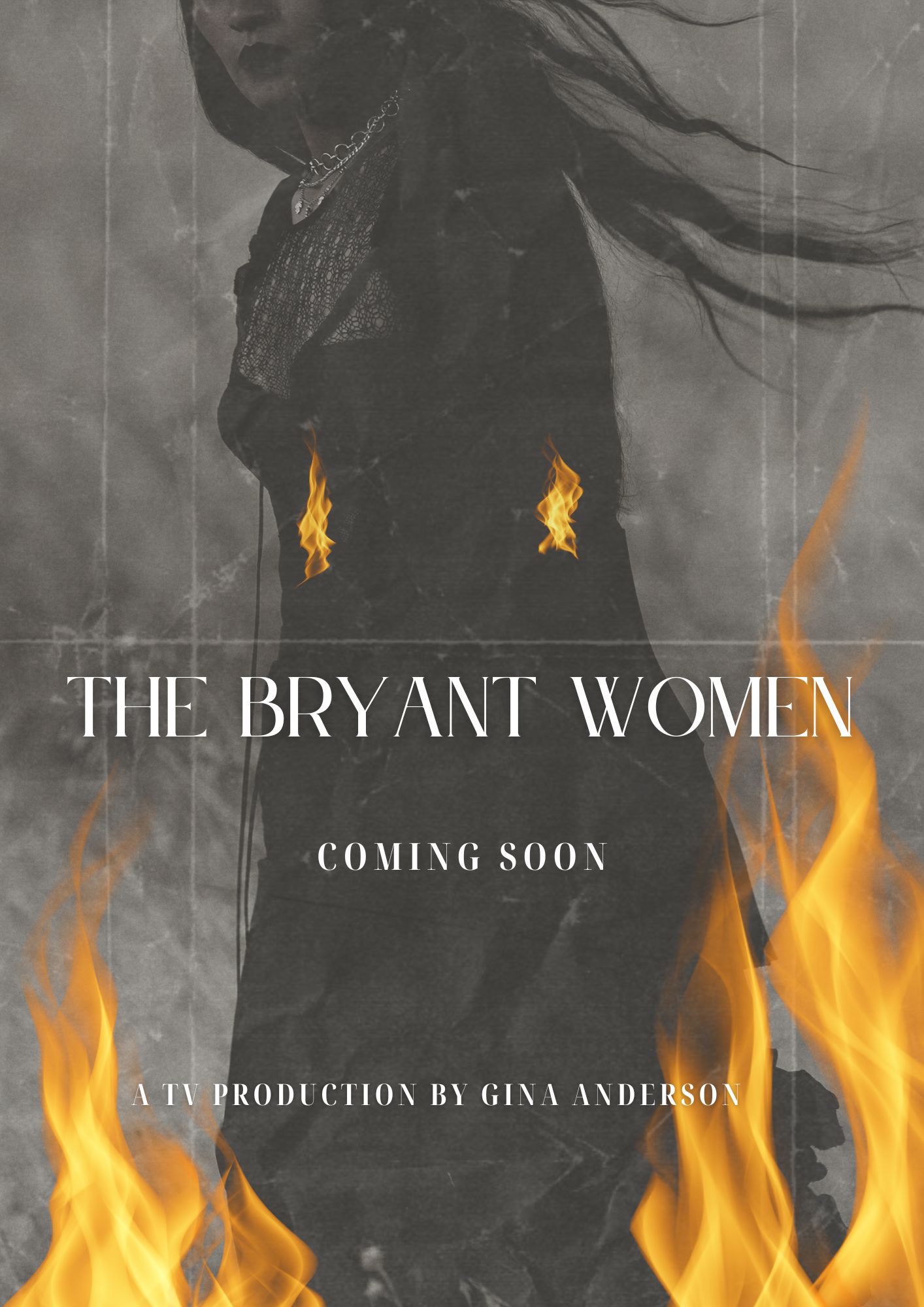
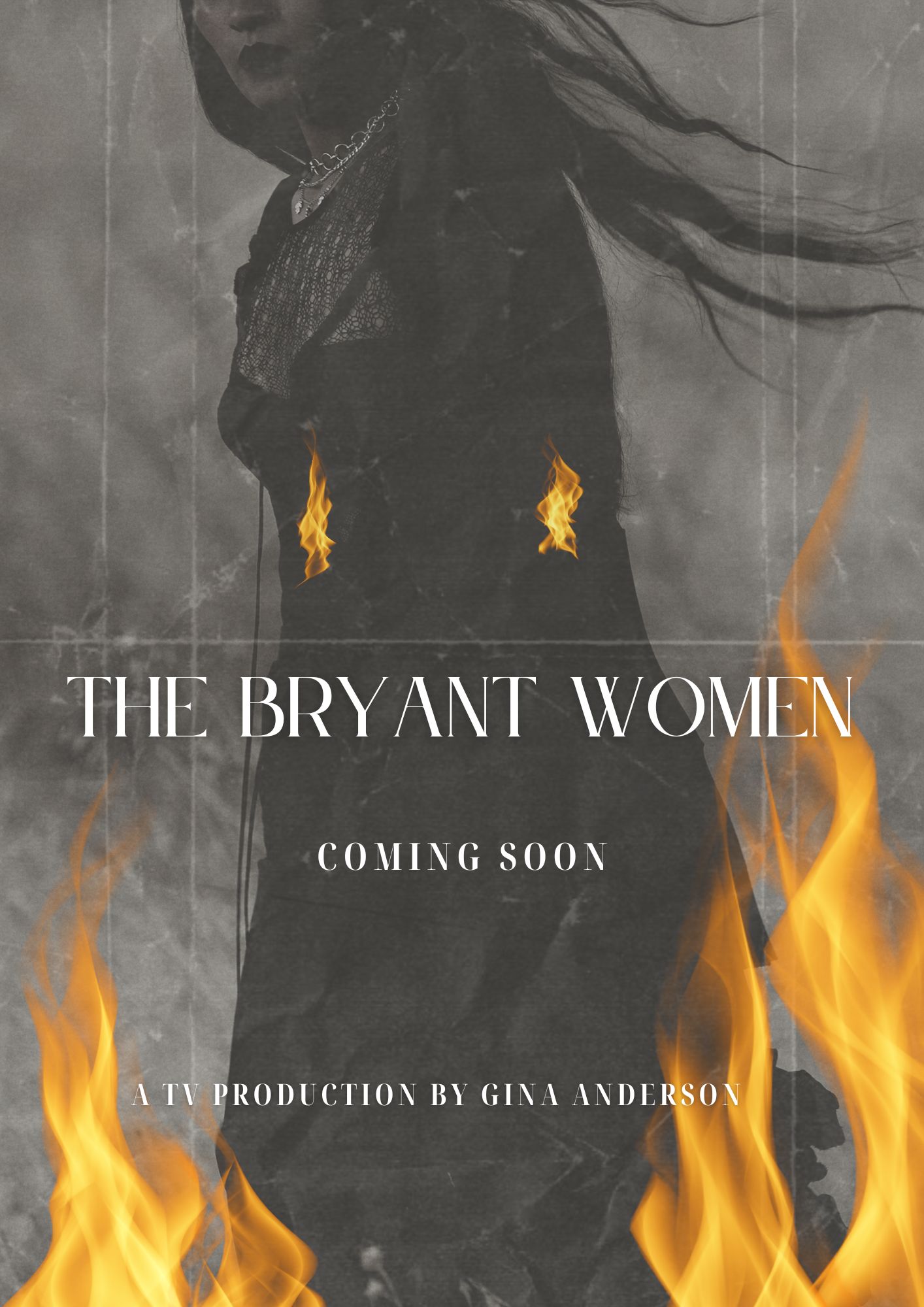
AI-generated TV series poster
I thought, what if the young woman in Delphine the Hag and the woman in Healing Magick were related and their grandmother was looking to pass down her magic to one of her granddaughters? I started pulling together all kinds of details about how the magic worked, who the villains were, what the family dynamics were, and ended up with a supernatural TV drama, The Bryant Women.
Needless to say, I freaking loved dreaming up my series bible for this TV pilot. I didn’t want to spread it out in separate short stories, so I merged it all together. And I keep wanting to go back to that well and think of other spinoff ideas, but I’m not there yet.
So, for me, I can see how Stephen King, who published The Shining first in 1977, then IT (1986), and Doctor Sleep (2013), finds it endlessly fascinating to keep wanting to go back to that world he created. I totally get it.
And in preparing to write this blog post, I thought about all of the other book series that I love. This is what drives fans wild, seeing how they can piece together Easter eggs from one book to another. You saw that happen when book fans patiently answered questions from TV-first fans about Stephen King’s books that were the source materials for IT: Welcome to Derry. It was an amazing one-week post-mortem of who, what, when, and why.
In addition to Stephen King, I also really enjoy book series by other fiction authors:
George R.R. Martin’s Game of Thrones fantasy universe
N.K. Jemisin is a prolific speculative fiction author and she’s written multiple book series. My favorites are: The Broken Earth, The Inheritance Trilogy, and the Dreamblood series.
Kresley Cole’s paranormal romance book series, Immortals After Dark, and her young adult fantasy series, The Arcana Chronicles
Laini Taylor’s Daughter of Smoke and Bone fantasy series
Karen Marie Moning fantasy romance Fever series set in Ireland
Daniel Jose Older is a Latinx author who has a few young adult fantasy series under his belt that you should check out. He also wrote the novelization of a few Star Wars stories.
Finally, although he doesn’t write any universes, this author has written really good science fiction novels about living in space. I can’t forget Andy Weir’s The Martian.
In addition to being a film buff (I did not go to film school, but I have an MFA in Creative Writing), I’m also a huge book nerd. Definitely find me on Goodreads.com and friend me there. I listen to more audiobooks these days, but I also indulge in turning pages every now and then.
Eventually, I’m going to write book reviews on this site, but I’m not there yet. I want to reserve my time for writing about writing and actually getting my projects out there first.
Anyway, please feel free to post your book recommendations in the comments.
Okay, okay, I haven’t seen all of the films that are making the rounds during this year’s awards season yet, but I’ve seen quite a few of the top contenders from the IMDb Best Movies of 2025 list. Of the commercially successful films on the list, I still need to see One Battle After Another, F1 (starring Brad Pitt), and Wicked: For Good.
I still feel strongly that Sinners is the top film of 2025. It not only served horror fans a unique setting in the Mississippi Delta instead of New Orleans, but also gave us some new vampire lore to drool over (Irish vamp Remmick FTW!). The film also introduced or further endeared us to the blues and a fresh new voice in Miles Caton. And through that lens, director Ryan Coogler also educated audiences about the horrors of the Jim Crow era.
Why is Sinners the Best?
There are so many personal reasons that I connected with this film as both a horror fan and a person of color with roots from the American South, but at the end of the day, Ryan Coogler’s direction, Michael B. Jordan as the lead playing gangster twins, and an outstanding supporting cast tipped the scales for me.
The technical aspects of the film were also impressive, which the film industry is appreciating this awards season. Coogler’s cinematographer, Autumn Durald Arkapaw, became the first female director of photography to shoot any movie on large format IMAX film. Coogler also used “halo cameras” to film Jordan as twins, among many other techniques he used in this film.
There were also some really cool in-universe newspaper clippings revealing some backstory you can find by clicking through the Sinners Official Playlist on Spotify or by reading Gizmodo’s article. Some of the incidents include the fallout between Irish and Italian gangsters that we learn the Twins are running from in the film, and a mysterious Irish ship that washed ashore in Boston with blood-soaked decks and no one aboard.
Cultural Inclusivity
In this film, we see Native American vampire hunters, the Choctaw Nation, hunt Remmick in the beginning of the film. This short bit of screen time was so popular among fans that they started asking for a spinoff film.
Remmick is an Irish vampire who claims to Smoke that he resonates with African Americans’ suffering in order to get into the juke joint, but due to his vampire nature, it is revealed that he sought to siphon Sammie’s talent. He also leads the new vampires in a rendition of the Irish folktale song, “The Rocky Road to Dublin,” a surprisingly upbeat song and dance sequence.
The Chinese American characters, Grace and Bo, are grocers who serve both the white and Black communities, and long-time friends of the Twins. Grace also joins the fight with the survivors of the vampire attack on the juke joint after her beloved husband is turned.
All of these communities actually coexisted in the Mississippi Delta.
Finally, some people may not have been familiar with the concept of “passing” in the Black community prior to seeing the movie. Mary is technically considered Black in the Jim Crow laws, but because she is white-presenting, Stack believed that it was safer for her to continue passing and to have a white husband. If you’re interested in learning more about miscegenation (intermarriage between racial groups), visit the Americans All history page.
In summary, Sinners ticked many boxes for me. I feel like the more people went down the rabbit hole of lore about this movie, the more they learned about life for people of color (Blacks, Chinese, Native Americans, and Irish folks by way of Remmick) during the Jim Crow South, the real horror for Black Americans. Not only that, but we got some really cool vampire lore out of it. How many genre films can you truly say accomplishes so much while also entertaining fans of horror? Not many.
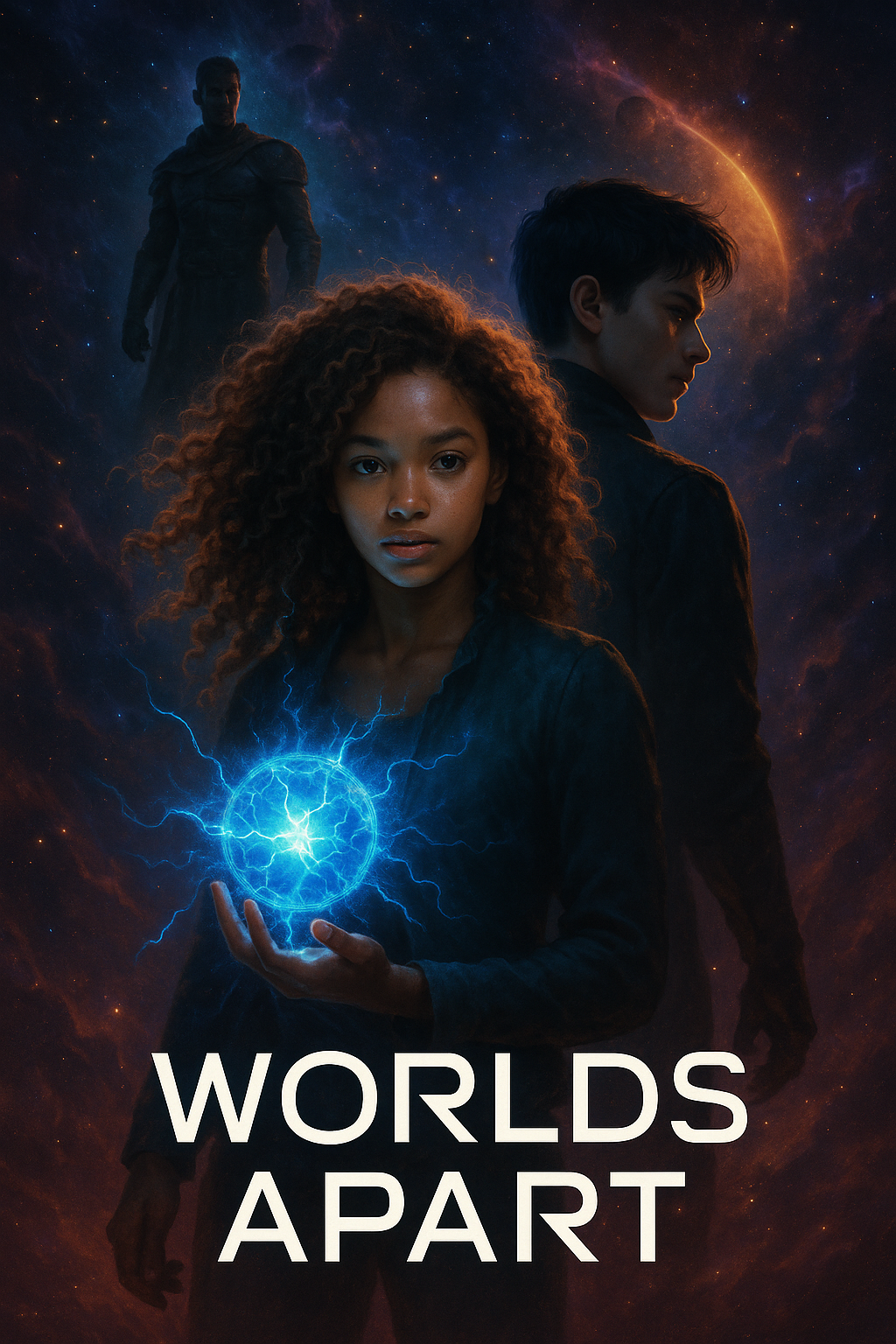
I’m pleased to announce that my Young Adult science fiction feature script, Worlds Apart, placed as a Quarterfinalist in the Outstanding Screenplays Feature Competition among a large volume of submissions from around the world. While I did not advance to the Semi-Finals in this particular competition (my TV pilot placed in a previous competition of the same name), having my work recognized in this way is a meaningful step in my screenwriting journey.
It’s always encouraging to see the worlds I build on the page resonate with readers in the industry. I’m continuing to revise and shape this story, and I look forward to sharing updates on this project as I continue to pursue opportunities.
I don’t know about you, but the guilt I feel about not having the energy to write or edit/revise my work ebbs and flows, depending on the day. It’s after a holiday week as I write this, and I am thinking about writing, but I haven’t had the time to do so while visiting family. So, I’m writing about writing instead of creating or revising a creative project and that’s totally fine with me. It’s like riding my bike on the runway and taking in the pre-departure peace and calm instead of taking off on a plane.
I’m here to tell you that it’s perfectly fine to write when you feel energetically ready to do so. Unless you have a clear deadline, it’s best not to force creativity. If you’re truly in your creative period, then you’ll be inspired by almost anything when you are ready to write. I get inspired by my (sleep) dreams. Many of them are like little movies with a clear plot, beginning, middle, and end. My dreams usually form as high concept action, fantasy, or sci-fi films. That’s how much I eat, sleep, and consume those genres.
Back to creativity cycles. Of all my years of writing, I’ve always had spurts of creativity when I focus on a project. However, when I take a break, I truly take a break. I don’t immediately go work on another project, unless there’s a deadline.
One of the most invaluable pieces of advice that I came across was from Stephen King’s book, On Writing: A Memoir of the Craft(2000),where he said that he steps away from a project that he’s been working on for about six weeks. When he comes back to his draft, he can revise it with fresh eyes. (He also said that he writes two drafts and a polish as his revision process).
I’ve found this to be true in my own writing. I started out writing fiction, my novel Worlds Apart (unpublished), and I totally resonate with King’s advice. Now that I’m a screenwriter, I think that six weeks is too long in between revisions. I like to churn out screenplays in short spurts so that I keep up the momentum of the story, especially my TV pilot projects, because those stories need to introduce the protagonist and the journey they’re going on, and establish worldbuilding.
But don’t take my or Stephen King’s word for it, I found a few articles that explain these creativity cycles. Some of the articles were more geared toward creative problem-solving (STEM fields, for example), but I found one that is specific to creatives by Dana Wood at The Integrative Counsel called, “The Gears of Creativity: Creative Cycles Explored.”
In the article, the creative cycle goes:
Preparation: This stage or “gear” is pretty self-explanatory, but for a screenwriter and author, it’s the stage when you’re doing your research. If you’re a worldbuilder like me, you might be looking up real-world settings or imagery of distant worlds, or finding inspiration from your sleep dreams and seeing if it already exists in the real world.
Incubation & Insight: This gear is where you might start thinking about what you want to do. For the trained or educated writer, you may have been asked to declare in school if you’re a “pantser” or a “plotter,” meaning that you either write by the seat of your pants, or you start with an outline first. If you start with an idea, you might be thinking: TV series, short, or feature film? As a plotter, this phase of development is a big deal.
Evaluation: This gear asks you to evaluate whether this project is worth advancing to execution. Let’s say you have three story ideas and you need to choose one, perhaps, you want to enter a film festival or screenwriting competition and you need to write something that would do well for that audience.
Integration, Imagination & Iteration: This gear is when you actually sit down and produce without fear. I highly recommend you go from Preparation to Integration and Iteration in a pretty short span of time. You need to create when you feel that creation energy take over you so that you don’t lose the momentum.
Upleveling: Now we’re circling back to Stephen King’s advice. After you’ve created your masterpiece and you’ve taken some time away from it, revise and polish your work. Don’t be afraid to do it, but make sure you’re not skipping this step before sharing your work with others.
Hopefully, this post gives you some relief from beating yourself over the head for taking the holidays off from writing. When your creativity feels like work, it can make you think that you’re blocked, but as you can see, creativity ebbs and flows. However, if you develop a process, it can help you feel like you have some type of structure to complete your work. And with that, you’re totally winning.
Drop your writing advice in the comments, on how you stimulate your creativity or how you take breaks from writing. What’s your process?
FilmQuest Film Festival official poster in collaboration with Bloody Disgusting. Artwork by @Tentaclesandteeth.
I just finished watching 17 feature films over a period of two weeks for this year’s FilmQuest Film Festival that will be held in Provo, Utah from Oct. 23-Nov. 1, 2025.
This was my first time being a judge for a film festival, so I wasn’t sure how many films I could review in such a short time, but I made it through.
As a longtime lover of genre films, this was a dream come true. I enjoy watching and writing genre TV, films, and fiction, so this experience gave me greater insight into the next steps after you’ve completed the project. For some filmmakers, that might look like festival submission, distribution, audience reception, and awards! Just being nominated must be something special for the film’s crew, cast, and producers.
FilmQuest is one of the top-rated genre film festivals in the world and boasts the distinction of being the #1 best reviewed film festival on FilmFreeway. If I were an independent genre filmmaker, this festival would be one of the main stops for me because I watched films that had large budgets, and some that were clearly made with heart and passion on small budgets. In this festival, they were all on the same playing field.
Some of the genre films that I reviewed ranged from comedy musicals to gory horror to thrillers. I viewed them all and I can truly say that each one stood out in their own way. There were a handful of thought-provoking international films as well, both in English and other languages.
Not only did I rank the films, but also nominations for other categories, such as: Best Actress, Actor, Sound, Direction, etc. I actually found this the most difficult to rank these categories because some of the nominees were good for different reasons.
Some of the features that have stuck with me stood out for their creative story structure and pacing, out of this world plots, and some took visual storytelling to the next level. I was very pleasantly surprised by one of the comedies that made me laugh out loud (which is hard to do) and one that had a Tarantino flavor to it. I can definitely see a few of them hitting the theaters over the next year or on a streaming channel. They were just that good.
You can find a link to all of the features and short films (which I did not judge), and other category nominees here. The festival is on its 12th run, and based on the notable actors that I saw in some of the films, you may see some familiar faces if you attend in person. Tickets are on sale on the FilmFreeway and festival website as of the writing of this blog post, but they’re selling out fast.
Check out the 2025 Schedule to see which days you’d like to attend if you’re like me and can’t attend all of the days. There is also an option to view the films virtually if you want to get ahead of the festival and see what all of the films are about.
It’s been such an honor to review these films and I hope that this is the first of many more opportunities in the future. Future filmmakers, screenwriters, and film lovers can participate in film festivals in other ways like volunteering. I’d love to learn more about how others stay connected to the film community.
Full disclosure, I submitted my own screenplay to this festival, but it was not selected. Being a judge was a great cancellation prize.
This past weekend, I binged all of the Monster: The Ed Gein Story episodes on Netflix. It was a tough watch, but I powered through them to see how his nefarious deeds were depicted and whether the series could offer any new perspective on his life.
I have not been able to watch the first season that focused on Jeffrey Dahmer because I was sure it would give me nightmares afterward, which is hard to do based on my love of horror and dark fiction. So, on to my take on the show without spoiling too much.
I found episodes 1 through 6 to be very solid. We got the setup of Gein’s life while his mother was alive. He was an emotionally stunted and abused man who lived under the thumb of his ultra-religious mother who despised both women and men. In her mind, she was protecting him from the outside world by forbidding him from fraternizing with others and dating women. This, unfortunately, did not prepare him for life after her death.
So, it was no surprise that when she passed away, he could not handle being on his own without his mother’s guidance. Shortly following her funeral, he dug up a corpse from a graveyard and dressed it to resemble his mother. There were other women that he dug up and used their skin and other body parts to fashion gruesome furniture pieces like lampshades, chairs, and a skull as a bowl. Yikes!
The series explores a still unconfirmed romantic interest based on a real-life woman who claimed that she and the serial killer were close. In real life, she eventually pulled back her statements and claimed that she barely knew him, most likely to avoid being directly tied to Gein’s crimes.
And the show delves into Gein’s imagined connections to his idols. He may have been influenced to commit some acts after reading a comic book/graphic novel about Ilse Koch, a real Nazi woman from World War II, that was accused of inflicting pain and horror on Jews and of creating equally gruesome furniture pieces similar to Gein. The show also weaved a transgender celebrity, Christine Jorgensen, into the story to reflect some of Gein’s delusions, but there is no evidence to support his fascination with her in real life.
In the end, Gein only admitted to killing two women and digging up the bodies of several more. He’s long been rumored to have murdered his brother, a couple of hunters, and a young girl. None of these accusations led to criminal charges, but nonetheless, the series dramatizes these claims that were never proven.
Perhaps, the most interesting B story in the first half of the series was the time spent on the Alfred Hitchcock/Anthony Perkins collaboration on Psycho, which was purposely influenced by Gein’s case. The show spent quality time on the development of the film as well as insight into Perkins’ own thoughts around his sexuality and the infamous gay therapy he went through to stay in business in Hollywood. It was a part of film history that I was not familiar with and I appreciated the side quest from the show’s heavy theme.
Warning: Creative License
Episodes 7 and 8 are where I couldn’t quite follow where the story was going. The show alludes to other serial killers that were influenced by Gein, however, in my light research, I haven’t found that to be the case.
One particular serial killer on the show, Richard Speck, was featured as being a fan of Gein, but I found it to be a diversion, particularly the amount of minutes of screen time spent on a gratuitous prison sex scene. Whether this was one of Gein’s delusions of grandeur in real life, I’m not sure, but it was not necessarily needed to send home the message that he influenced many different aspects of society, including pop culture.
Then there was a mini crossover with Netflix’s other (now canceled) TV show about serial killers, Mindhunters, that featured another serial killer and the famed FBI agents who interviewed him. I found this thread to be more interesting to pull on if it were true, but it was not the case in reality that they met with Gein.
The last 20 minutes or so of episode 8 was filler. I actually would’ve preferred the final episode to focus on his trial where he was found to be legally insane, and to dive deeper into the psychology of Gein. Instead, we got some fictional delusions of Gein prior to his passing, which made me think it was meant to endear the audience to him. But if the purpose of the anthology is to answer the question if serial killers are born or nurtured, then it may have missed the mark.
My take is that Ed Gein’s life was a case study in the psychological profile of how a killer was made. How someone left to their own devices without the ability to manage their emotions and mental illness (in Gein’s case, schizophrenia) becomes more than just their personal problem, but society’s problem if they become violent. Not that not everyone who is schizophrenic is violent, but it’s important to look into how these sorts of violent criminals can be detected earlier in life.
Version 1.0.0
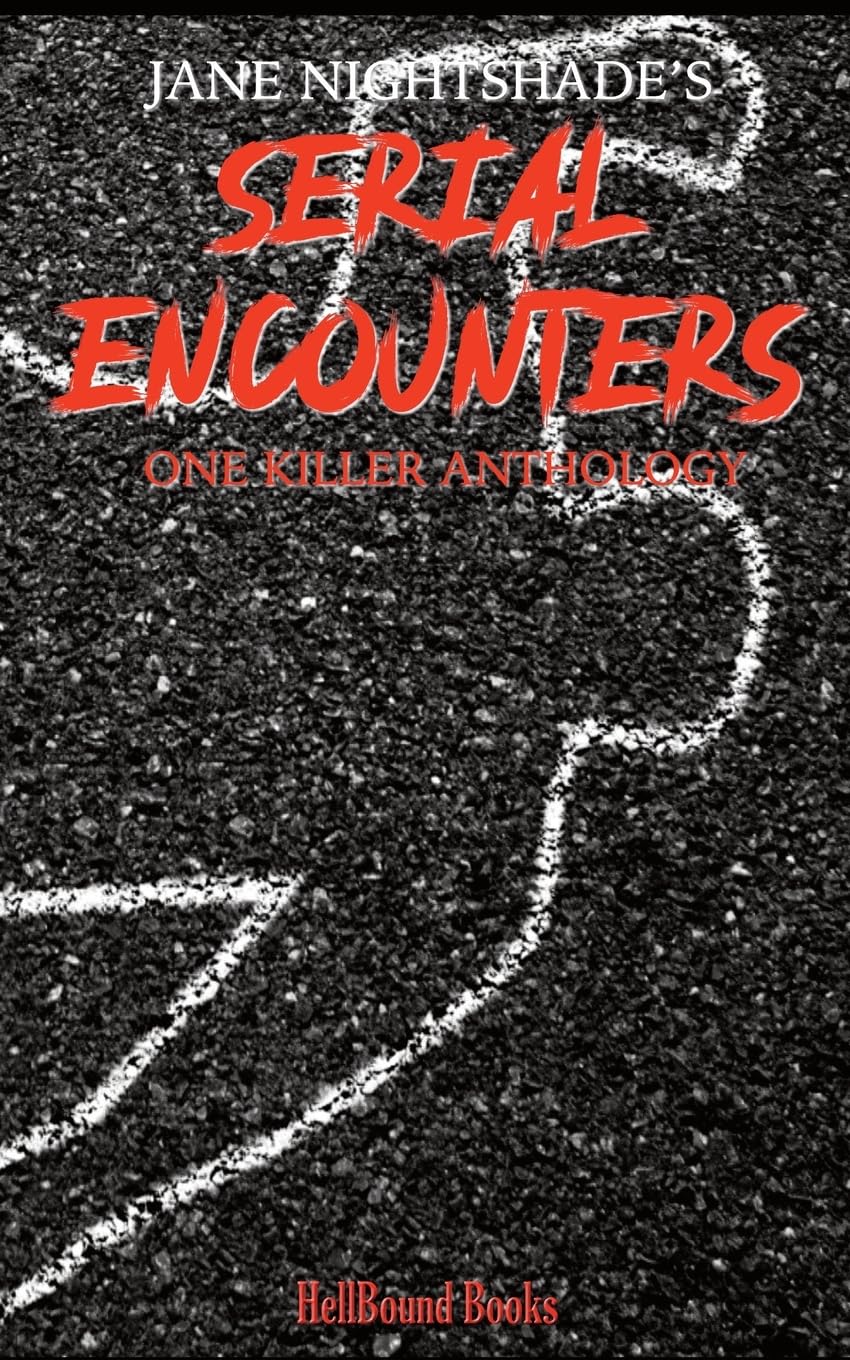
I wrote this review because I wanted to watch the show and see if the screenwriter came to similar conclusions about Gein’s disposition as I did when I wrote a short story called “The Time Killer” in the horror anthology, Jane Nightshade’s Serial Encounters.
I was assigned by the editor to write about a fictional encounter with Ed Gein. I did not have a lot of background on him at the time, but I quickly understood how he influenced many other pop culture films and shocked the nation with his gruesome killings and pastimes. There was a sadness and loneliness there that I think came across in my own story similar to the show, and I too gave him a romantic interest to explore those themes in his life. I was pleased to see that the screenwriter found that to be an interesting way to reflect how the world saw him versus how he saw himself.
In any case, check out the series on Netflix if you can stomach it and check out my story in the aforementioned horror anthology and let me know what you think in the comments.
My TV pilot The Bryant Women placed in the Quarterfinals in the OutstandingScreenplays TV Pilot Competition! This script has been a labor of love, born from my desire to showcase the magic that already exists in the underrepresented communities of my home state, South Carolina. I simply gave it a supernatural drama edge. I’m thrilled to see my work recognized among so many talented storytellers. Onward to the next round!
This was the first script I’ve ever written, but not the first time that I’ve placed in competitions for this project. I’ve made the Quarterfinals in the Santa Barbara International Screenplay Awards and Semi-Finalist in the Wiki: The World’s Fastest Screenplay Contest.
Scroll all the way down for a poster for the TV show that I hope to see go into production someday.
In August 2025, several of your favorite screenwriting platforms and resources will no longer be available.
In the last year, I’ve entered several screenwriting competitions, mostly through the platform FilmFreeway. Recently, I’ve used Coverfly for two competitions that are currently ongoing. Today, I received a notification that Coverfly is going offline on August 1st. Meanwhile, two of the competitions I entered won’t issue the next round of announcements until after that date.
Upon further research, I found that a few other screenwriting resources will also be shutting down: ScreenCraft and The Script Lab. It sounds like the industry is looking to consolidate a lot of these competition platforms. I can appreciate that since it is often time-consuming to track competition submissions on multiple platforms.
Luckily, most of my competition entries are on the surviving competition platform FilmFreeway. However, in Reddit conversations around this topic, writers found it convenient to have all of their competition submissions and placements in one place, such as with Coverfly.
Coverfly does give users the option to export their data. It’s very easy to do, so take advantage of that option now so that you don’t lose information from competitions that you’ve entered.
What other screenwriting resources have you used that have gone away?
If my career up to this point has taught me anything, it’s that you can and should use every bit of personal and professional experience you have toward your career path as a creative and professional writer.
In the past, I would’ve shrugged off these experiences as part of a winding road that I hoped would make sense to a future employer whenever I was on the job hunt. Now I look at them as breadcrumbs that led me to where I’m headed now in my creative career. How did it all start?
I’ve spent the last 15+ (I stopped counting) years as a professional communicator and public affairs specialist. The core skills in this profession range from being able to write compelling content, such as press releases, articles, and briefings for the media and executives.
Ten years ago, I received my Master of Fine Arts degree in Writing Popular Fiction, which is where I learned about writing genre fiction (sci-fi, fantasy, horror, romance, etc.) and wrote a thesis novel for the young adult audience. This experience taught me about deciding which feedback to act on from critique sessions, working with professional author mentors, and pitching to the publishing industry.
After graduation, I also worked with my alumni association on our annual writing workshop as the guest liaison, where I invited authors, literary agents, and editors to participate. I also personally guided them on the cozy Hogwarts-style campus and throughout their stay in our sleepy college town.
I was surprised by how approachable and willing many of these professionals were when it came down to giving back to the writing community. Some of them offered to read the workshop participants’ manuscripts, and many simply listened to their pitches and provided feedback. Some people got representation from their novels, but many of the participants simply appreciated the opportunity to pitch in a friendly setting as opposed to a big conference.
I’ve had rich cross-cultural experiences that expanded my knowledge of various cultures. I studied abroad in Russia, taught English in Japan, and worked with New Zealanders and Maori for a few years as a public affairs and events manager.
There is a depth of knowledge about the language and cultures that I wouldn’t have known by just Googling for information. I feel so fortunate to have had these opportunities to make some deep and enriching connections with the people that I worked with. Some of them are still lifelong friends.
In the last year, I’ve been preparing myself for a new career as a screenwriter in the film and television industry. I’ve taken screenwriting classes, written two screenplays for TV and film, and entered contests.
Looking at all of these experiences, you might think that they have zero connection to each other, but that’s not true. I’m the connection. I have to see how I can use my international, education, cultural, and communications background to serve me going forward.
Here are some tips and takeaways that I think might be helpful to you too:
Never turn down an opportunity to expand your skills. Does the job as a telemarketer sound like a drag? Maybe it’s actually preparing you for pitching your book to the publishing industry.
Don’t be so rigid in your professional aspirations that you only take jobs that are safe. This one is pretty self-explanatory, but if you’re a professional communicator and don’t dip your toes into the “dark side” of marketing, you might be missing out. While these two career paths might require similar skillsets, the approaches to reaching audiences are quite different. Marketing skills is yet another way to pitch your stories, products, or ideas.
Take on volunteer or internship positions to break into your new industry. If someone doesn’t want to hire you because you don’t have years of experience or education in a certain area, take on roles that are lower barrier to entry, e.g. unpaid or part-time paid positions.
How has it been going for me so far? Pretty good. I’ve placed in a few of the screenplay contests that I’ve entered, but no monetary rewards thus far, just the joy of knowing that I did that!
I’ve published three short stories in anthologies in the last two years and got paid a small amount for one of the publishing contracts. I would’ve published more, but that’s just because I haven’t submitted stories in a while. Right now, I’m just focused on submitting screenplays over short stories, but I’ll get back to it! Imagine how much I can accomplish if I put all of my energy into it.
The moral of the story is that you truly should be mining your experiences for how you can apply what you’ve learned in your personal and professional life to your new career path. Make a simple tree of knowledge to show the experience and compare it to what is needed to enter the industry that you’re interested in.
My tree of knowledge might look like me using my communications skills to write blogs and articles about my writing projects and promoting it on social media and podcasts. It might mean that I don’t have to pay someone to do these things, which ultimately saves me money.
It might also look like me using my media pitching skills to pitch my novel and screenplays to agents and managers. The sky is truly the limit.
So, don’t see your past as a maze of bill-paying jobs, see them as the building blocks to your future. Best of luck to you!
This May, I participated in Story Summit’s Hollywood Field Trip in Los Angeles—a thoughtfully curated experience that brought together aspiring screenwriters, affectionately known as The Write Stuff, from across the U.S., Scotland, Australia, and Canada. The program was organized by David Kirkpatrick, founder of Story Summit and former president of Paramount Pictures, along with his incredible support team.
As I prepare to transition into a new industry, I’ve taken screenwriting classes and immersed myself in researching the world of TV and film. So when this program came across my radar, I jumped at the opportunity. I began my screenwriting journey last year with a supernatural drama TV pilot called The Bryant Women. I submitted it to a few smaller contests and was thrilled when it earned some placements. This year, I adapted my unpublished young adult science fantasy novel, Worlds Apart, into a feature-length screenplay.
The weeklong program included a behind-the-scenes tour of Paramount Studios, a visit to the Academy Museum of Motion Pictures, and a Pitch Fest with agents and managers. I connected with so many incredible up-and-coming screenwriters, as well as professionals already working in the TV and film industry—many of whom are authors eager to see their books adapted for the big screen.
I’m going old-school and blogging about the experience. Come along for the ride—read to the end, leave a comment, and don’t forget to like my Facebook author page!
Day 1: Meet + Greet + Words of Wisdom
Day 1 was a travel day for many of us, and we checked into the historic Hollywood Roosevelt Hotel. Although we had met virtually before arriving, it was such a treat to get dressed up and finally connect in person at the Welcome Reception, hosted by David Kirkpatrick.
David brought along his friend Gary Lucchesi, President Emeritus of the Producers Guild. Mr. Lucchesi shared some inspiring words as we embarked on our journeys as screenwriters. He told us how he started out in the mailroom and worked his way up in the industry. Stories like his are always refreshing—and a powerful reminder that everyone starts somewhere.
Day 2: Paramount Studios VIP Studio Lot Tour
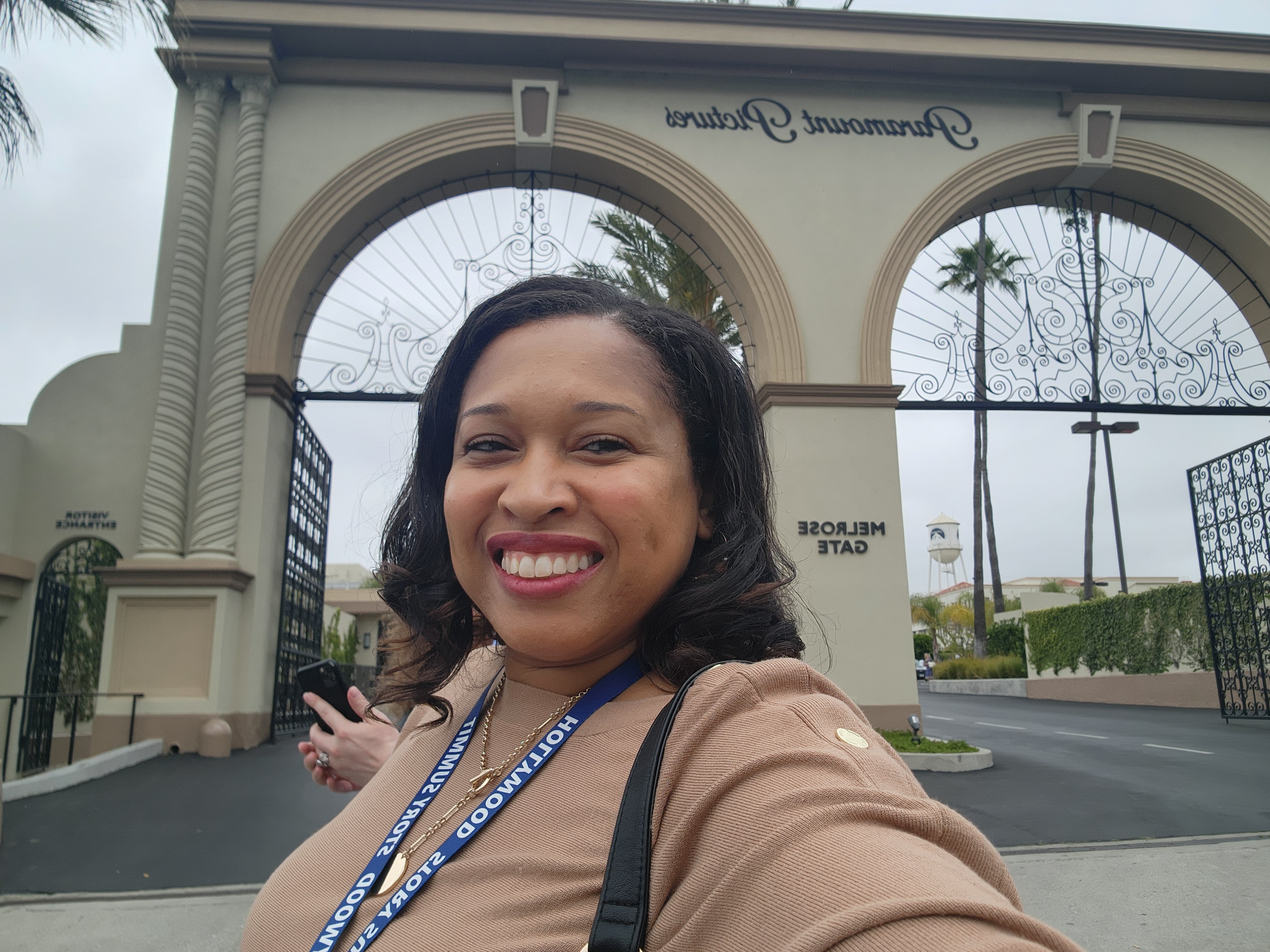
Given David Kirkpatrick’s deep history and connection to Paramount Studios, we got special acccess to see behind the iconic gates of Paramount and dive into 100+ years of Hollywood magic. We got to see legendary movie props, sets, and original films in the Archive and Backlot Operations Departments. Paramount Studios was my favorite highlight of the field trip. If those studio grounds could talk!
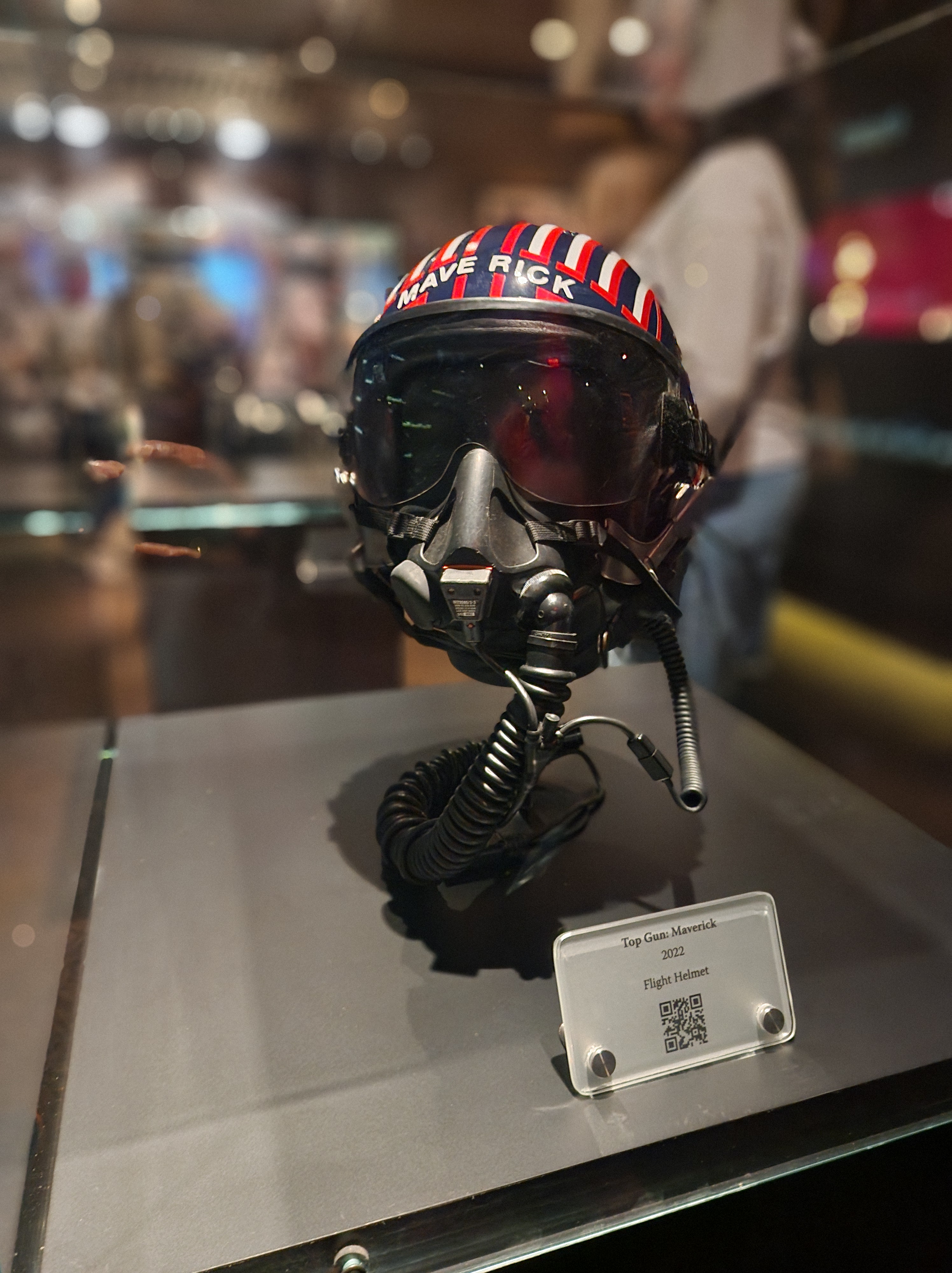
Don’t mind me, I’m just enjoying traveling through time and space in this Star Trek Beyond set piece.Helmet from Top Gun: Maverick
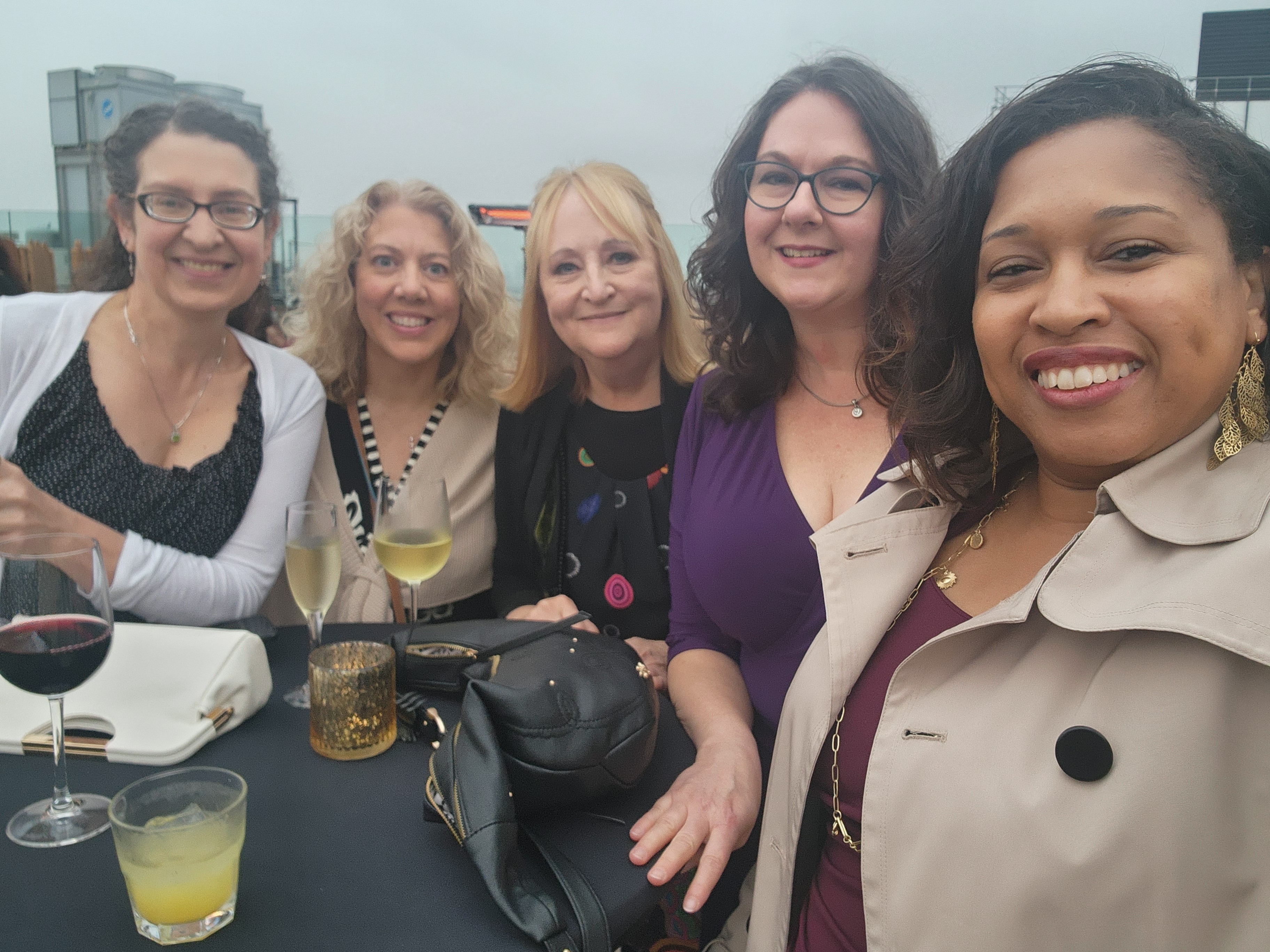
We ended the evening on the rooftop of the hotel right beneath the suite where Marilyn Monroe once lived at the Hollywood Roosevelt. We could see Hollywood Boulevard, TCL Chinese Theatre, and the Hollywood sign from up there. The evening was magical and I had the opportunity to learn more about my group’s screenplay projects.
Me and my fabulous screenwriting sisters enjoying ourselves and practicing our pitches on the rooftop.
Day 3: Pitch Fest + Academy Museum Visit
On the morning of our Pitch Fest, I did my best to calm my nerves. After all, this could be my one shot at finding representation for my TV and film projects.
Each of us had just 10 minutes to pitch to the agents and managers in attendance. I met with three agents, most of whom were primarily looking for feature film projects. It seems TV is a tougher sell at the moment.
Still, I was able to pitch my TV project—which is my most developed—to a couple of them, so we’ll see if anything comes of it. I also realized that the world-building in my feature film project is pretty complex to convey in such a short pitch, so I’ll be exploring how to best present that one moving forward.
The Pitch Fest was a great opportunity to get a sense of what sparks interest among Hollywood reps. I’m proud of myself for putting my work out there and stepping into the arena.
Pitch Fest!A girl can dream. Let’s pray this bad girl gets produced in real life. You guys would love it!
The second half of the day was much more relaxing. Many of us were still processing the responses from the agents and managers to our pitches. When you spend days, months, and years dreaming about such an opportunity, you do your best and then it’s over in no time.
Academy Museum of Motion Pictures
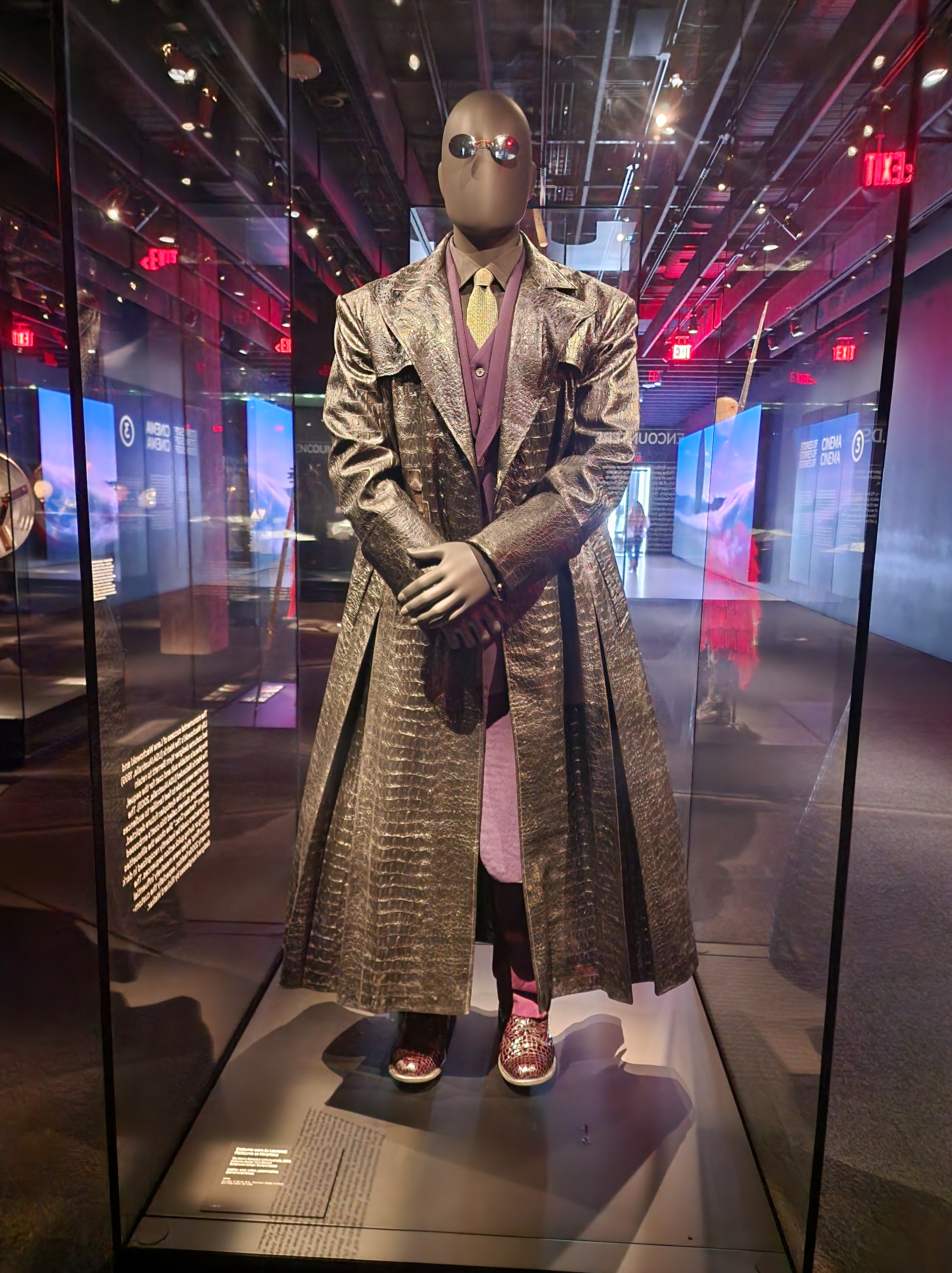
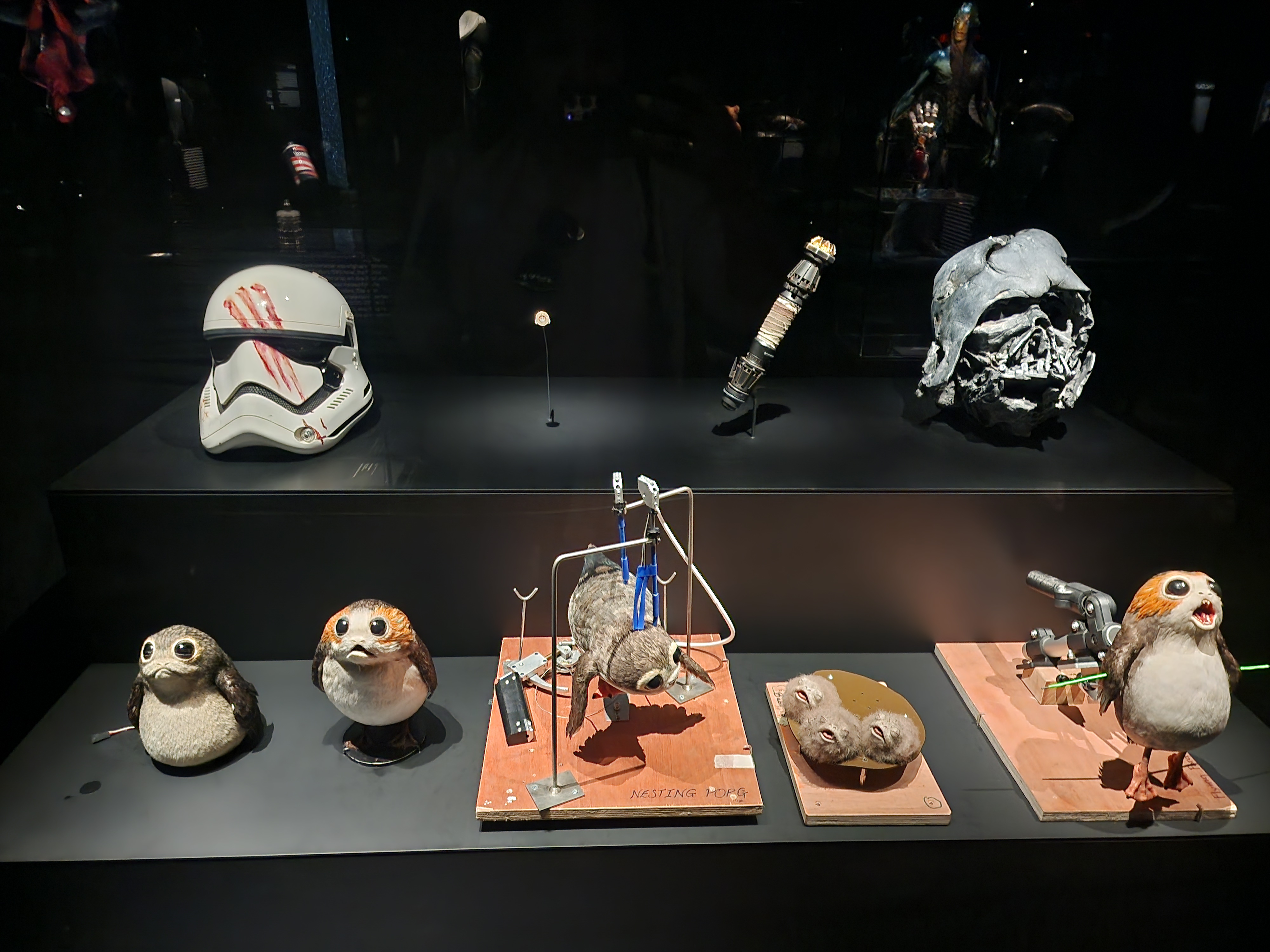
Next, we visited the Academy Museum of Motion Pictures. I had originally planned to visit back in January, but that trip was canceled due to wildfires. This time, I was thrilled that the museum visit was included as part of our program—and even more excited to experience it purely for pleasure rather than work.
When you think about it, film and television are just a little over 100 years old, yet look at how far we’ve come—in technology, genre, creativity, and the countless ways we’ve learned to express ourselves through this medium.
I was in awe learning how some of our favorite films were made. I highly recommend a visit to this museum—you’ll want to give yourself at least 2 to 3 hours to take it all in.
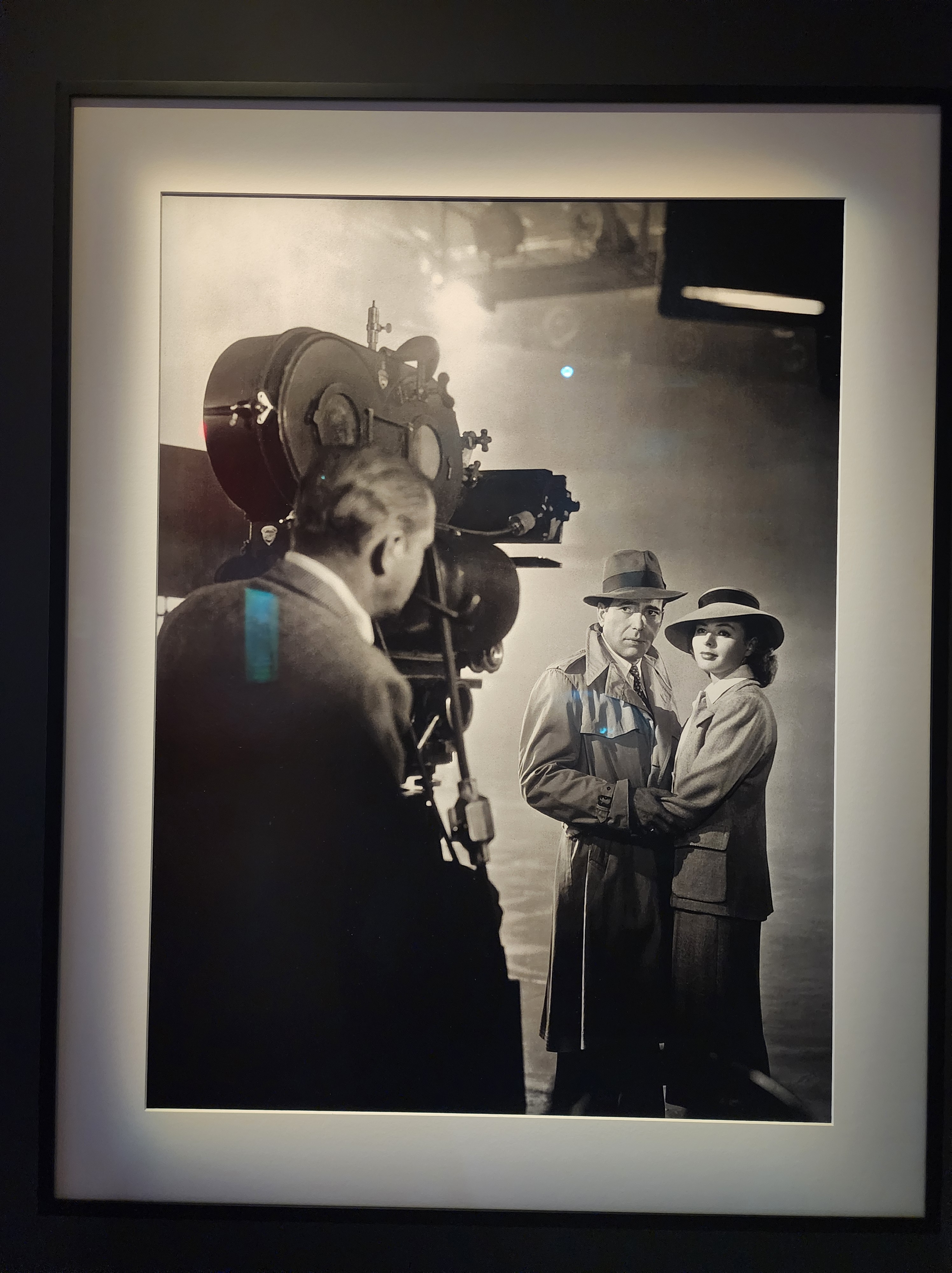
Barbie and Ken’s outfits from the feature film.Humphrey Bogart, my grandmother’s favorite actor, and Ingrid Bergman in Casablanca.
We ended Day 3 with a cozy night in for Classic Cinema Night at the Cinegrill, located in the Hollywood Roosevelt. We watched the 1950s classic All About Eve, starring Bette Davis, Anne Baxter, and a young, up-and-coming Marilyn Monroe.
It was fascinating to see Monroe in a small role early in her career—but even more captivating to watch Bette Davis in her prime, commanding the screen with her sharp delivery and presence.
The program had provided the script in advance, allowing us to follow along and see the words come to life on screen—a thoughtful touch that deepened the experience.
The Cinegrill entrance looks like a library of books.
Day 4: Final Day
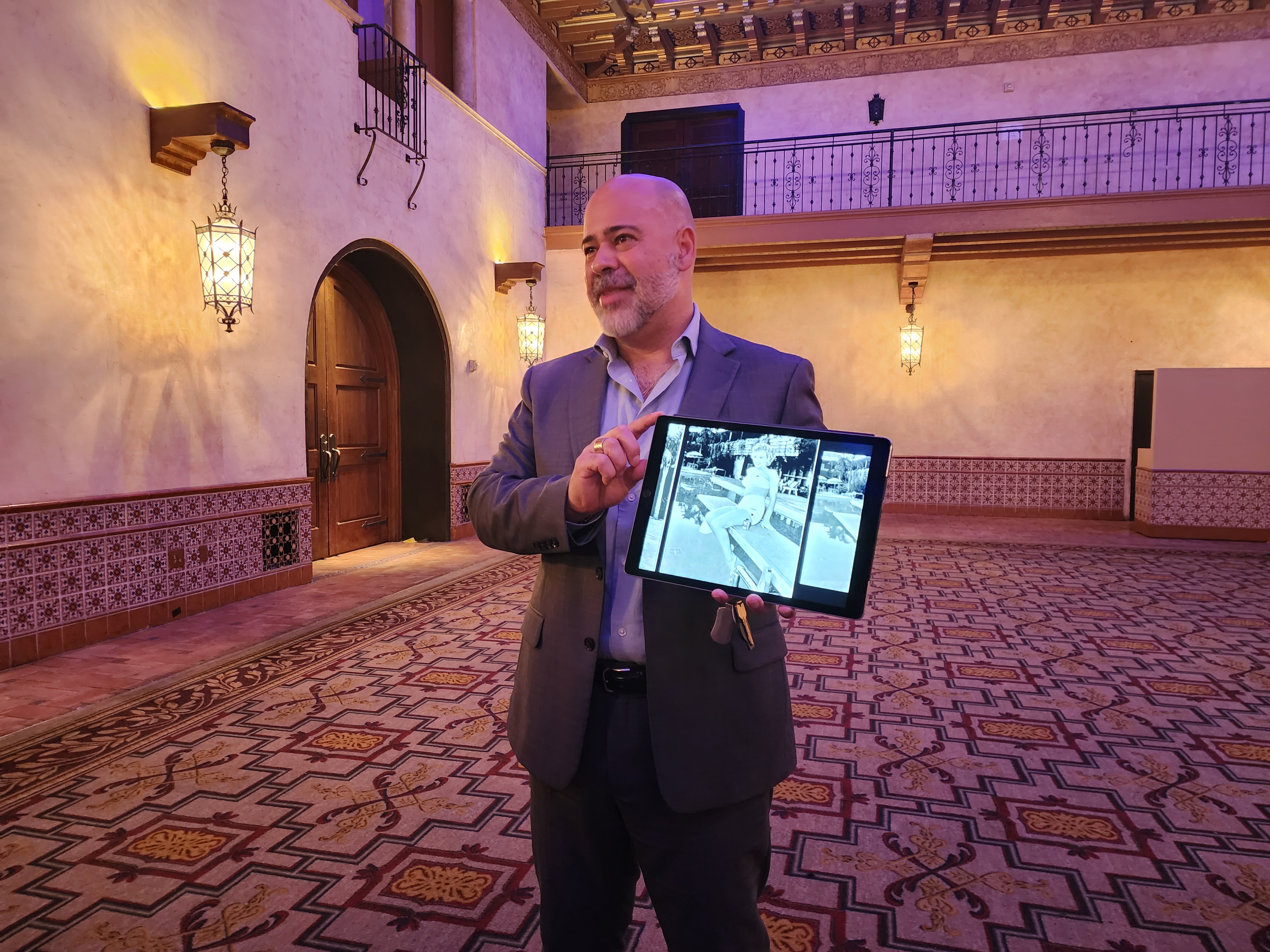
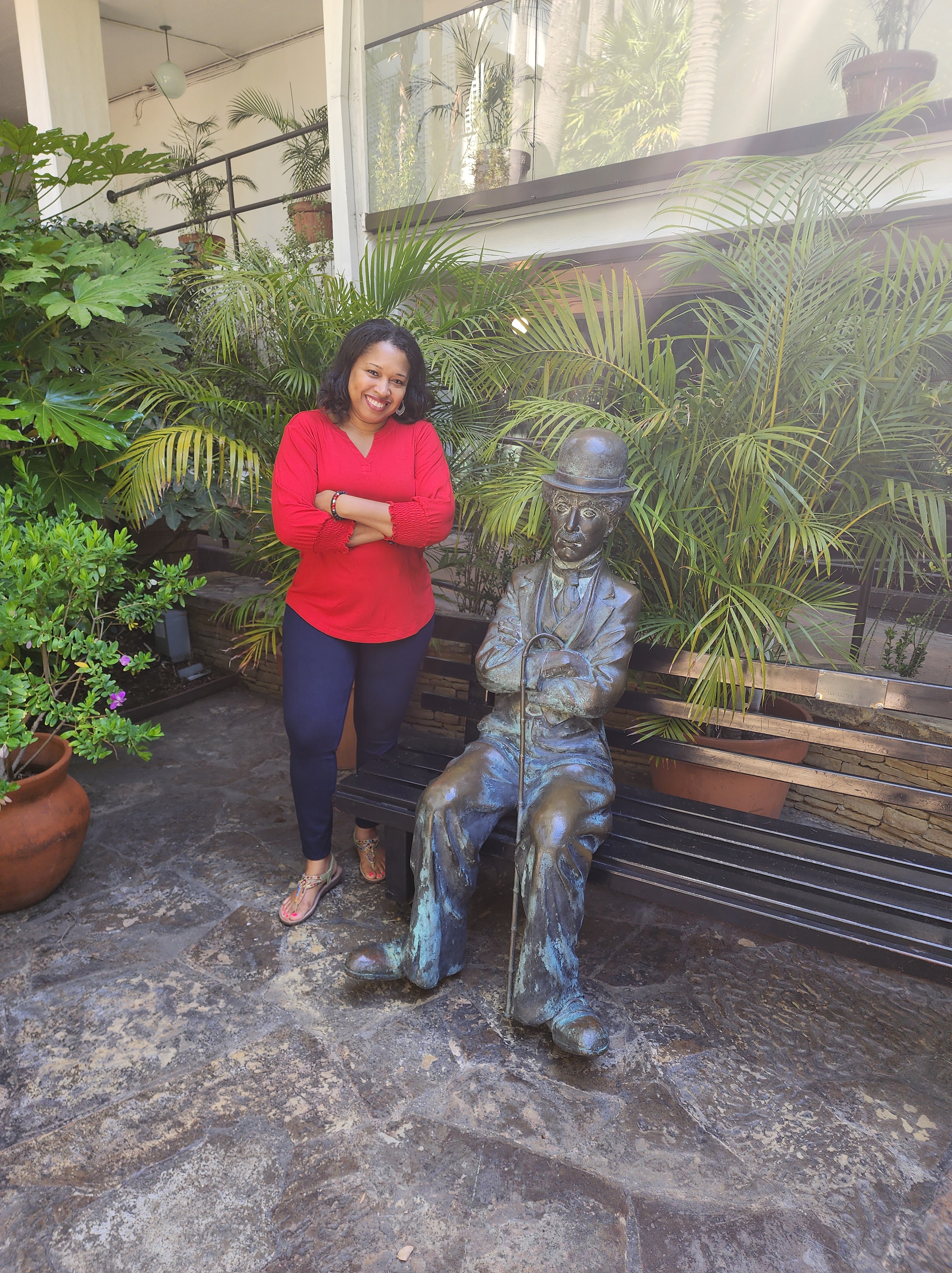
The final day of the program was very relaxed. Juan Pineda of the Hollywood Roosevelt gave us a special tour of the historic hotel. There were many stories about how the first Oscar ceremony was held there (it was less than 15 minutes!) and the famous residents like Charlie Chaplin and Marilyn Monroe.
Marilyn Monroe during one of her early photoshoots at the famous Hollywood Roosevelt Tropicana Pool.Yes, there were ghost stories from the hotel staff. This is Marilyn Monroe’s haunted mirror.
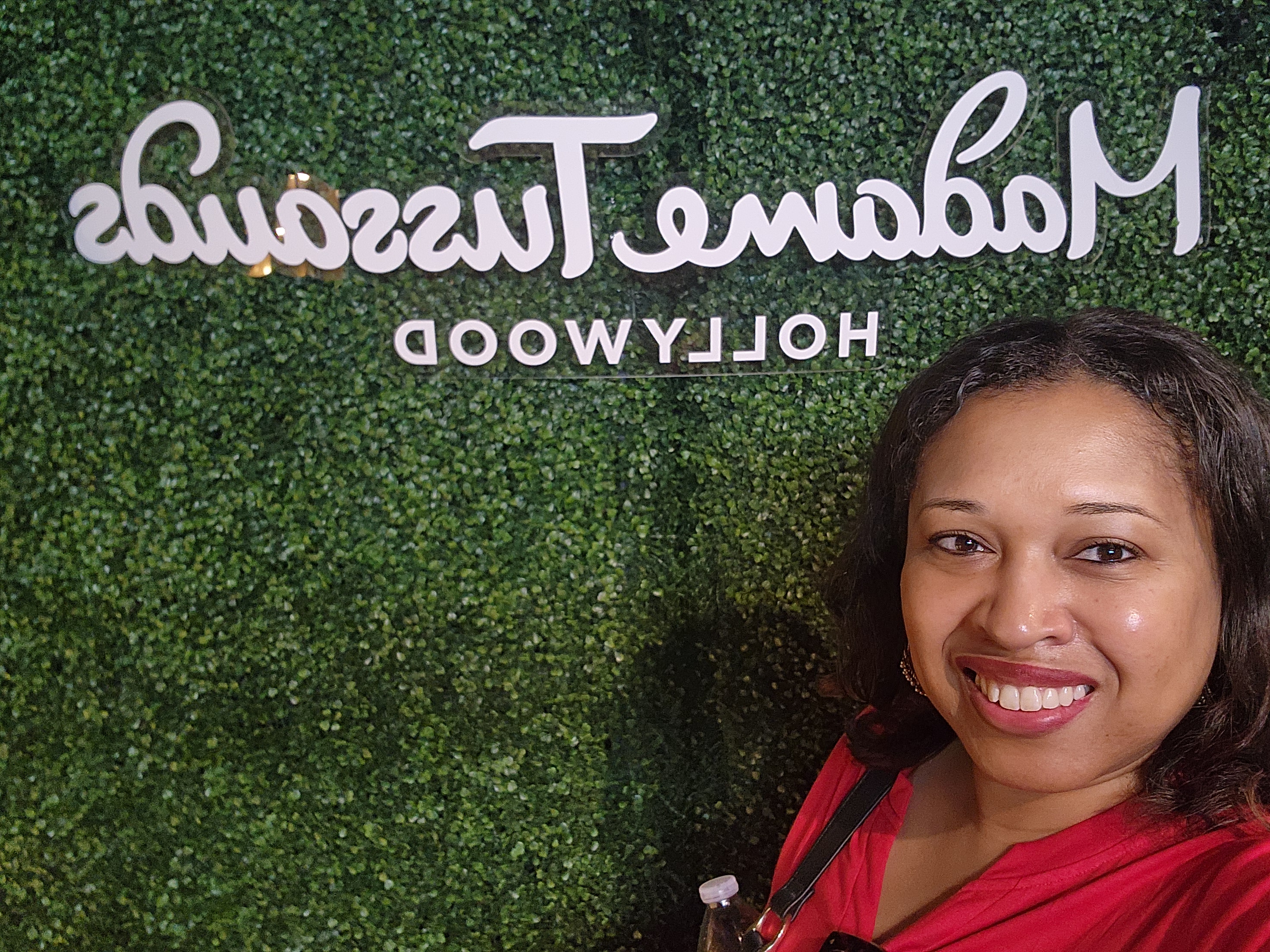
The rest of the day was free time. I spent it visiting Madame Tussauds Wax Museum, exploring the Hollywood Walk of Fame, and organizing a group viewing of Ryan Coogler’s Sinners in 4D at the TCL Chinese Theatre.
I had seen the film before, but experiencing it in 4D was something else—the moving seats and bursts of air added a whole new dimension. It felt like a pretty solid substitute for missing it in IMAX.
Seriously, you will not be prepared for how lifelike these wax statues are. It’s a little creepy!Second time’s a charm. Team viewing of Sinners in the theatre. Loved it!
The program wrapped up with a thoughtful farewell dinner hosted by David K. We shared journal entries aloud and reflected on the incredible week we’d had—gathered together at the iconic Musso & Frank Grill, a legendary spot once frequented by classic Hollywood stars like Charlie Chaplin, Humphrey Bogart, and Marilyn Monroe.
The historic venue also served as a filming location for Once Upon a Time in Hollywood, featuring Brad Pitt and Leonardo DiCaprio in scenes directed by Quentin Tarantino.
Here is my farewell speech and I’ll leave it at that:
There are moments you dream about doing “one day”—and then there’s the moment when you’re actually living the dream. This week was that moment for me.
What I’ll never forget is the opportunity Story Summit gave us to pitch our stories—and the feeling of rising to meet that opportunity.
I did it. I sat down, wrote my screenplays, and pitched them.I did that. And I’m so proud of myself for betting on me.
I’m also deeply grateful for the community that formed around this field trip. I hope to stay connected with my fellow screenwriters as we move forward.
It felt like many of us were standing at the same crossroads in life—that do or die moment when we choose: continue as we always have, or be bold and step into a new journey as screenwriters, directors, producers, and dreamweavers.
Whether we create from scratch or help bring someone else’s vision to the screen, we won’t be the same after this experience.
We’ll always have this time—when we moved closer to the lives we’ve been dreaming of.

















 Gina N. Anderson