Stranger Things and the Power of Nostalgia

How the Series Became a Love Letter to Gen X, Xennials, and Millennials 

By now, most viewers have seen the Stranger Things (ST) series finale, so there shouldn’t be any spoilers. Instead of doing another hot take on the last season and ending of the series, I’d like to tap into that great ocean of nostalgia that ST represents for Gen X, Xennials, and older Millennials.

Before I started season 5, like everyone, I rewatched seasons 1-4 so that I could remember the major plot points, characters, and to tap back into this nostalgic feeling that this era represents for me as a Xennial (born between 1977 and 1983).  

The show takes place between 1983 and 1989. For many of us who grew up or were exposed to the music and other popular culture during that time, the show represents some of our fondest memories from our childhoods. Sure, there were some really scary real-world things going on around the world. ST did a strong job of weaving those realities into the storylines, such as America’s ongoing Cold War tensions (the Russians are coming!) or the “Satanic Panic.”
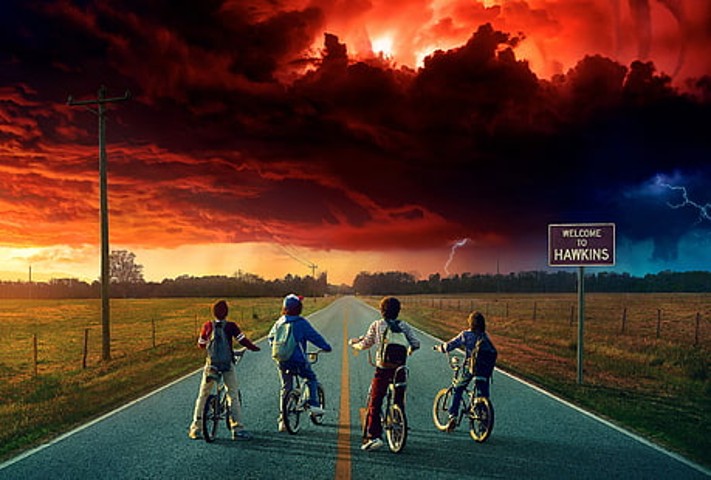
Now, I wasn’t old enough to remember being terribly concerned about those things, but I did see the movies and films during that era that reflected the paranoia embedded in the American psyche. But I digress, there were so many other things in the show that sent those of us from those three aforementioned generations swooning, like the sense of adventure, the era of analog technology, video and board games, synth music, banana seat bicycles, and the latchkey kid era (Will was all of us at that age in the 1980s). 

I distinctly remember sitting in front of the fan in the window on hot summer days listening to Michael Jackson, Madonna, Prince, Whitney Houston, Cyndi Lauper, and a whole host of other artists who transcended race or national borders to reach the hearts of fans around the world. It felt like a magical time, before cell phones, when we played outside until dark, ate cereal for breakfast, and watched cartoons and Kung Fu movies on Saturday mornings… together. Now, everyone has their own screen for entertainment. Back then, we had to share one television. 

The Duffer Brothers not only tapped into the nostalgia of those generations, but they introduced the 80s era to two whole new generations that learned what it was like to live during those times of old tech, including landline telephones, video arcades, and hair-sprayed styles. Most importantly, I believe the younger generations resonated most with the underpinning theme of friendship. ST reached global audiences from multiple generations, which is difficult to do, but I believe this happened for the aforementioned reasons. 
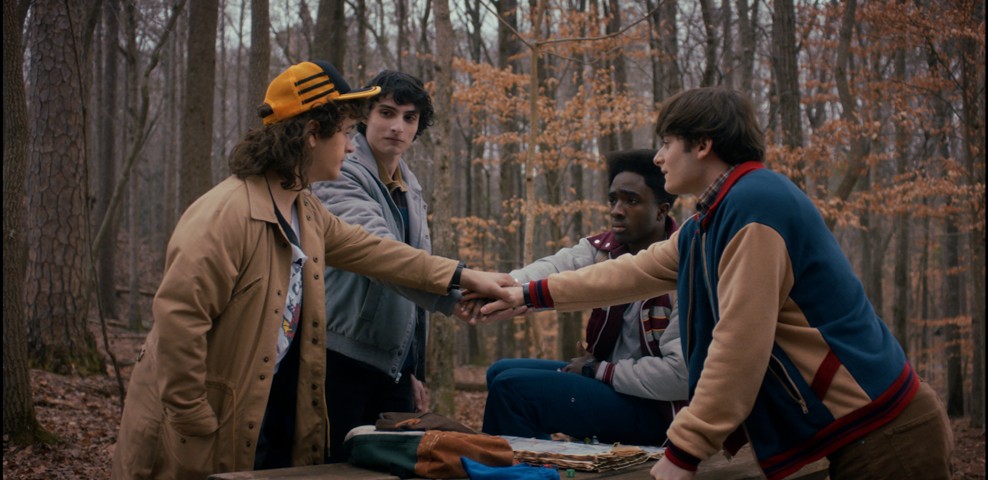
Despite how you feel about the ending, the Duffer Brothers wrote this love letter to all of us and reminded the fans that friendship can and should be unbreakable, and that “friends never lie.” Now more than ever, we all could use that message, especially as the world has been so chaotic: old friends (countries) are now enemies, or indifferent to the suffering of others. While this isn’t new, it does give the younger generations a bleak view of our future. I hope that this show made folks believe in magic again and the value of true friendship, but if the global popularity of the show is any evidence, I think the Duffers nailed it.

Netflix will drop a behind-the-scenes documentary of the show, called, One Last Adventure: The Making of Stranger Things 5, on Monday, January 12, 2026, at 12am PT/3am ET.

Check out a previous article I wrote about film and TV reboots to follow the nostalgia breadcrumbs.

Posted on January 11th in honor of our girl Eleven.
Halloween Hidden Gems: Underrated Movies & TV Shows

It’s Halloween season again and I’m sifting through the titles so you don’t have to. Check out some of these Halloween hidden gems that you should check out by category.

Elevated Horror

Gretel & Hansel (2020): You may have missed this one because it came out during the pandemic, but it definitely deserves a hidden gem nod. Directed by quirky horror director, Oz Perkins (Longlegs and The Monkey), this film gives me the vibes of the 2015 film The Witch: atmospheric, dark and moody, oppressive family life, and eldest daughter energy. If The Witch is categorized as elevated horror, this one reaches that level, but relies more on style, composition, and pregnant pauses to increase the tension. 

The film is self-aware enough to stick to the well-trodden beats of its roots, but bold enough to ante up the slow-burn creepiness. I do see Perkins as experimenting with the atmosphere and pacing of the film, but hardcore horror fans might be put off by the scarcity of classic conventions of the horror genre. Magic and supernatural unease are present, but you might miss it between the charm of the witch and the wide-eyed awe of the protagonist, Gretel. The film is, after all, based on a classic German fairytale, and given that the original stories were dark, it was common for those times. 

Despite the setting’s era, Gretel & Hansel’s peril reflects the dark times right now. Where children aren’t safe at school or to play in the streets in the daylight, much less at night. And these two siblings certainly weren’t safe even under the roof of their own mother’s home in the first place. It felt less like a cautionary tale and more like an exploration of Gretel’s own power that she longs to wield, but burdened by her station in life and the care for her little brother. 

Last but not least, Alice Krige is terrifying as the witch, Holda. Whoever styled her costume and makeup did an excellent job of blurring the line between charming grandmother and evil crone. I highly recommend the film if you’re looking for a moody horror flick. 

Bonus: Pay close attention to the music in the film. It really complements the mood and would be a great addition to a Halloween gathering as spooky ambient music.

Here are some other films to check out from the horror genre mashup movies: 

Psychological Horror

Heretic (2024): I was immediately intrigued by the premise of this story and the fact that Hugh Grant plays the lead in a genre I’m not sure I’ve seen him in before. It drew me in even more because I dived in without any kind of prep, reviews, or hype. The story goes: Two young female missionaries visit the house of a hermit (Grant). Eager to discuss their faith with the skeptical man, they soon realize that their visit takes an unsettling turn. It’s a great example of “contained horror,” as the setting is the home they visit and there are only three main characters.  

Foreign

The Oddity (2024, Ireland): Instead of writing a review so that you can enjoy the ending, here is my version of the logline instead: A blind medium haunted by grief over her twin sister’s murder, revisits the crime scene with her golem, only to discover the truth was right under her nose. Go in blind (wink) and you won’t regret it.

Horror TV

Van Helsing (2016-2021): The show follows Vanessa Van Helsing, an enigmatic patient who wakes up from a years-long coma in the middle of a post-apocalyptic world overrun by vampires. She’s got one main mission: to find her daughter who was kidnapped before she fell into a coma. The survivors have a different plan for her: using her unique blood qualities that turn vampires back into humans. Kelly Overton does an amazing job of giving the female descendent of Abraham Van Helsing her own agency. She’s badass and she kicks vampire butt, but she’s also loyal and she’s got a heart of gold for those who follow her. Overton’s Van Helsing navigates betrayals, vengeance, but most importantly, her struggles to hold up the mantle of being humanity’s last hope. 

Black Summer (2019-2021, Netflix): I know, we’ve seen every kind of zombie concept there is, but this Z Nation spinoff is well worth the watch. And don’t worry if you haven’t seen that show because I haven’t either and I still enjoyed it. The show follows the protagonist, Rose, and her journey to find her daughter in a brutal world of a zombie apocalypse. The series starts out slow with Rose evolving from a helpless victim to a certified survivor and eventually zombie slayer. Stick with it through the second season, because that’s when it gets really good. The show is less about the zombies they’re facing and more about the inhumane humans Rose frequently rolls with to achieve her mission of finding her daughter. Not enough people watched it, but this one is definitely a hidden gem as far as TV goes. 

Lovecraft Country (2020, HBO): Don’t let the title fool you. While the TV series borrows some of Lovecraft’s monsters, the setting is very much a historical fantasy against the backdrop of racism of the deep south. The TV series follows a group of young Chicagoans on a roadtrip in search of the protagonist’s father who has gone missing in Jim Crow South. For those who have seen Green Book, you’ve seen a glimpse into the perils of traveling while black in the South at that time. But throw in a little magic, mystery, monsters, and mayhem, and you’ve got a recipe for success. I personally love how casually some of the monsters, human and inhuman, are introduced. Some episodes explore different aspects of the genre through the lens of racism: body horror, magical inheritance, possession, and even dabbles in afrofuturism. This show is worth the wild ride. You’ll never know quite where you’ll be taken next in each episode, but it’s interesting to see how they all come together in the end. Season one left off with the potential for more, but the show was cancelled. That’s okay because it absolutely works as a standalone season.  

Share your Halloween hidden gems in the comments.